
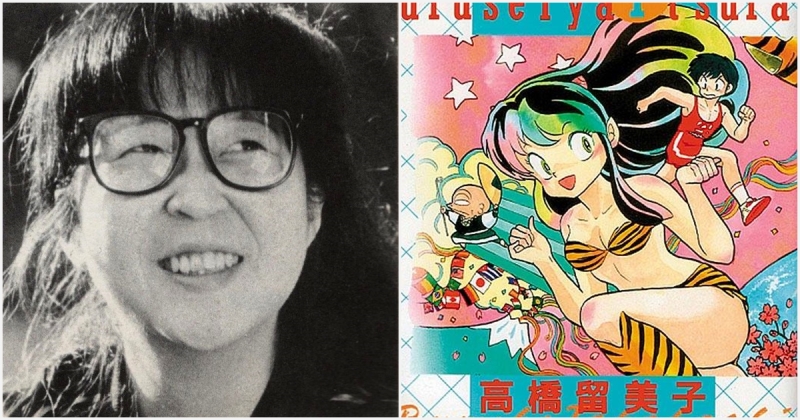
In 1975, Rumiko Takahashi, a first-year university student, faced the biggest dilemma of her life: her father told her that she was good for nothing, and if she stayed in her hometown of Niigata, she would remain a good-for-nothing for life. However, at the same time, Kazuo Koike, a master of the Japanese manga industry, told her in front of many classmates that her scripts were incredibly interesting and that she had what it takes to become a professional manga artist. Nearly 50 years later, Rumiko Takahashi has long become a legend in the shonen manga world. From being called a good-for-nothing by her father, she has become arguably the most diligent and most astonishing genius in the manga industry. Here are six legendary stories from her creative life.
Rumiko Takahashi's self-portrait Image credit:Yahoo!
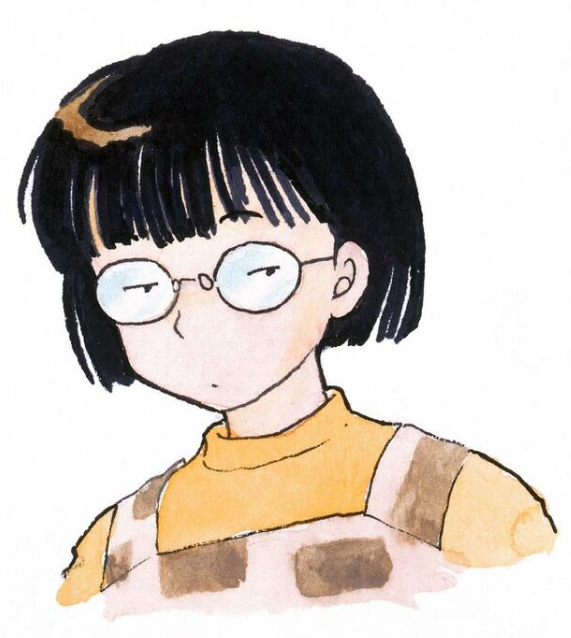
1. An Overly Accomplished FatherRumiko wasn't a good-for-nothing; her father was simply too accomplished: Uki Takahashi was a haiku poet, a doctor, and also an ink wash painter. Any of the three Takahashi children could have made a name for themselves by inheriting just one of their father's talents. However, Rumiko, who had been "brainwashed" by her brothers' manga collection since childhood and thus fell in love with manga, even had her submissions to manga weeklies rejected. It's hard to say if Rumiko harbored any resentment towards her accomplished father's strict upbringing, but if you look at her later classic works like "Urusei Yatsura," "Ranma 1/2," "Inuyasha," and others, you might notice a common theme: the father figures in these manga are all weak scoundrels, perverts, and cowards. Could this be Rumiko's revenge?
The perverted father in "Urusei Yatsura" Image credit:バンダイチャンネル
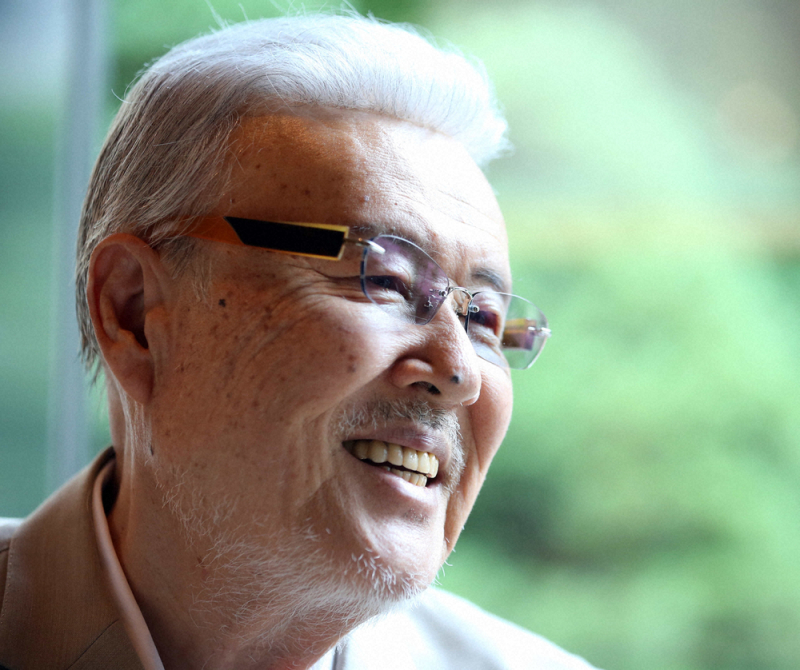
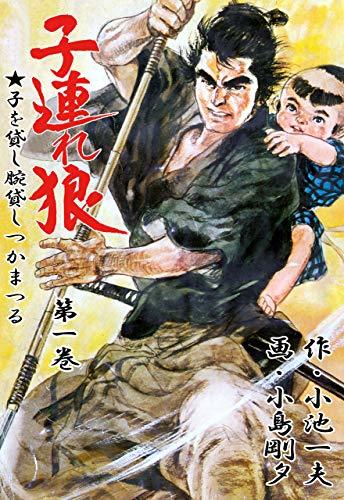
2. The Gekiga Master's EndorsementManga is a form of drawing, and many believe that numerous manga artists likely have favorite manga artist idols whose drawing styles they imitate. However, manga is not just drawing; it is merely a single-panel film presented in drawing form. The master who truly made the Japanese manga industry realize that a cinematic feel is an indispensable element of manga was Kazuo Koike. His scripts for works like "Lone Wolf and Cub," "Lady Snowblood," "Crying Freeman," and "Golden Doll," drawn by various manga artists, all became timeless classics. But Koike wasn't just good at writing stories; his textual narrative power was palpable on the page. Essentially, he wrote manga scripts in the same way he wrote film screenplays, including extensive visual notes alongside the dialogue, instructing the manga artist on how to present his story.
Kazuo Koike Image credit:ガールズちゃんねる
Koike gathered a large number of talented writers and artists, forming an influential organization. They didn't create ordinary manga, but rather followed the "gekiga" trend that emerged in the 1950s. In an era when manga was generally considered "just for kids," they specialized in creating works unsuitable for children, featuring cruel content, abundant violence and erotic elements, and wrapping real-world dilemmas in extremely bizarre plots. But even more importantly, Kazuo Koike founded "Gekiga Sonjuku," a workshop school dedicated to nurturing manga artists and film creators, teaching these young people, who created using different texts, how to write scripts, how to compose layouts, and how to make their works convey the correct atmosphere.
"Lone Wolf and Cub" Image credit:アマゾン
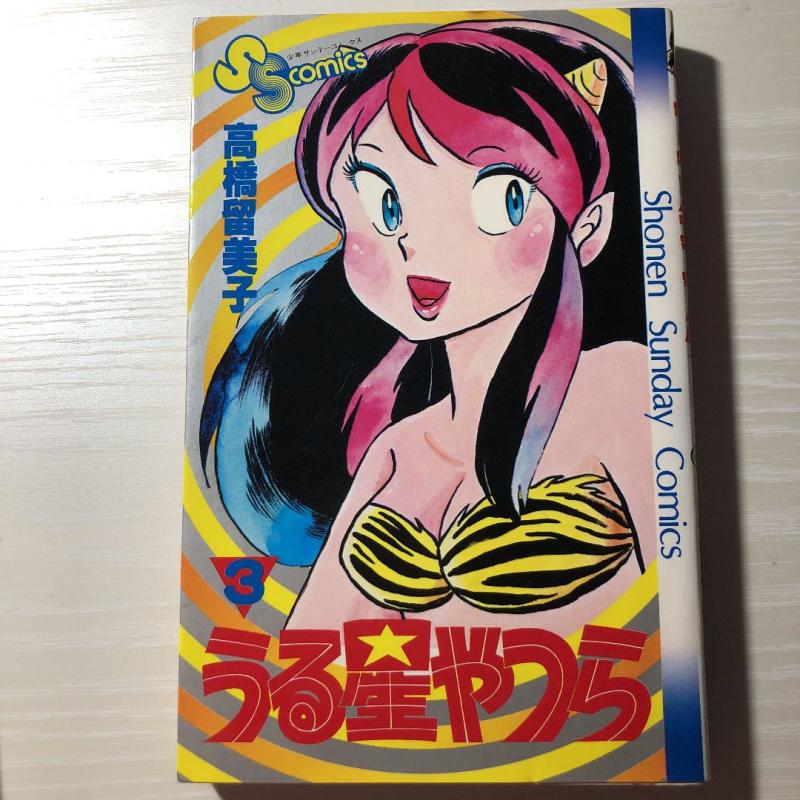
The "good-for-nothing" from Niigata has arrived in Tokyo. Rumiko confirmed she wasn't a genius, but she could become an "earth-talent" (a hard worker). It's hard to imagine such immense vitality emanating from this petite young woman: when she discovered there was no manga club at school, she co-founded one with her classmates; even before she came to Tokyo for university, she was already practicing scriptwriting on her own—a fundamental skill often lacking in many overnight sensation manga artists. Of course, Rumiko Takahashi didn't aim to write complex scripts filled with dramatic twists and turns. Her scripts weren't epic sagas, but rather more like a comedian's "skits" (コント): the plot could be conveyed in a few lines, but the essence lay in the characters' personalities and the wonderful dialogue resulting from the interactions between these eccentric personalities.
"Urusei Yatsura" Image credit:riosmauricio
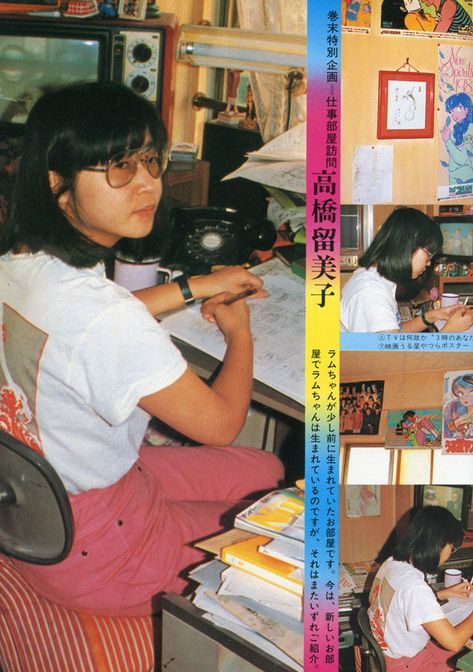
And she further honed her skills at Gekiga Sonjuku. This university freshman joined Gekiga Sonjuku during the summer after her first year. At the time, Gekiga Sonjuku's curriculum was two years. Rumiko joined midway, which was somewhat closer to auditing, as she had already missed previous lessons. However, Rumiko's performance exceeded everyone's expectations. Her scripts earned praise from the instructors and were recognized by Koike himself, who believed she would definitely become a professional manga artist—despite her failed submission to "Weekly Shonen Magazine" in her second year of high school, which had almost crushed her dream of becoming a manga artist.
Young Rumiko Takahashi Image credit:Twitter
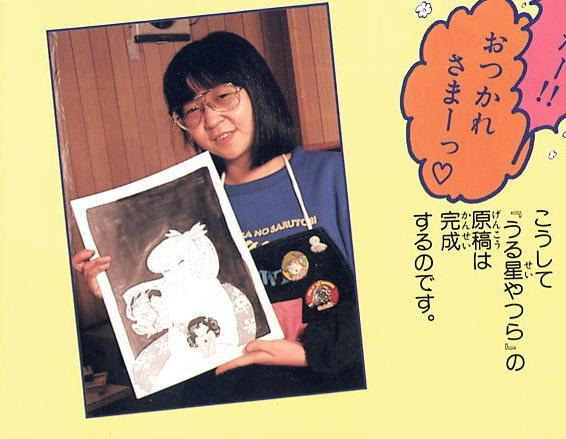
3. The Comedy Manga Artist Who Inherited the Spirit of a Gekiga MasterIt's hard to imagine that Rumiko Takahashi might be Kazuo Koike's most accomplished successor, as she inherited two of Koike's most crucial creative elements.
Rumiko beginning the serialization of "Urusei Yatsura" Image credit:Ameba
Kazuo Koike's creative key lay in characters. He believed that if you described a manga character verbally and it didn't sound appealing, even if you drew that character to be extremely beautiful, it wouldn't change the character's uninteresting essence. All the great characters Koike created possessed this characteristic: "a killer who unconsciously sheds tears after committing murder," "a master swordsman who travels the world with his child." Just by hearing about these manga characters, readers could naturally imagine the mysteries surrounding them and potential storylines. Koike didn't need to create complex hero's journeys to convince readers that these characters were compelling.
Kazuo Koike's original work "Crying Freeman" Image credit:小学館eコミックストア
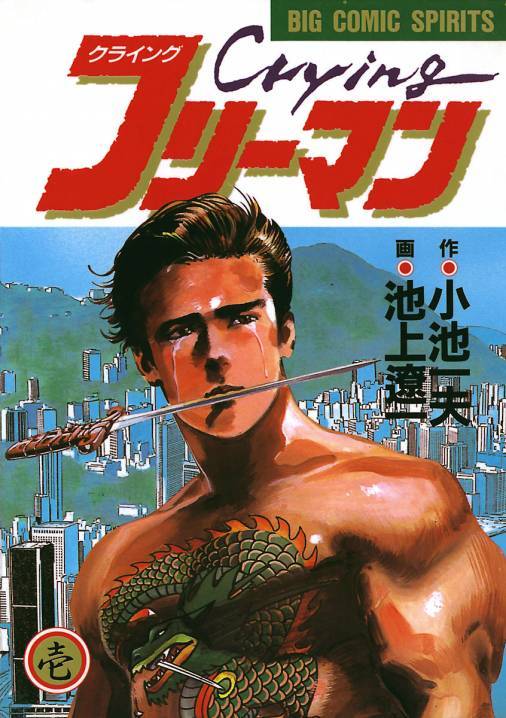
But manga is, after all, manga—a visual medium. And Kazuo Koike's gekiga style also had its unique visual aspects. These gekiga had to use effect lines to create a similar visual impact for these unconventional characters. Koike's scripted works often featured numerous effect lines or close-ups of characters, as if to make readers feel the powerful energy of these two-dimensional characters, allowing them to perceive the characters' speed and strength, and as if observing the bulging veins and sweat beads on their faces with a magnifying glass. And you can find both of these elements in many of Rumiko Takahashi's works.
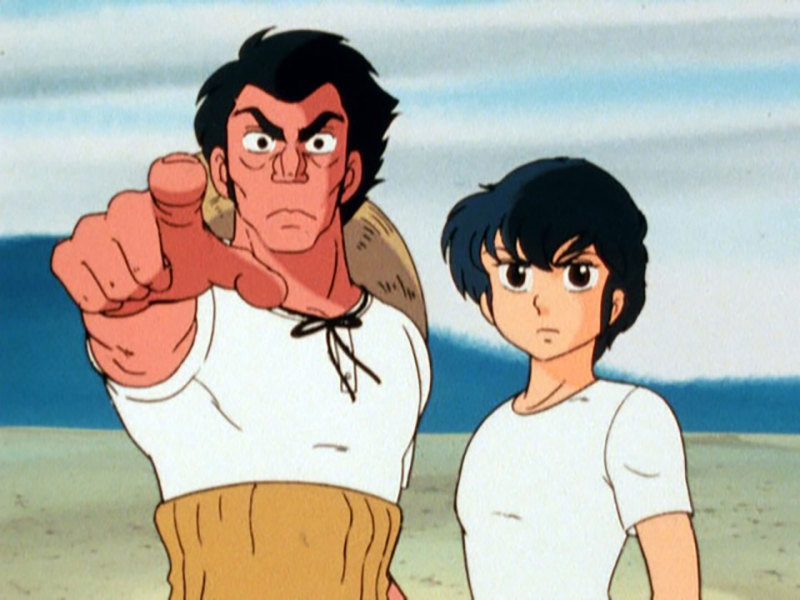
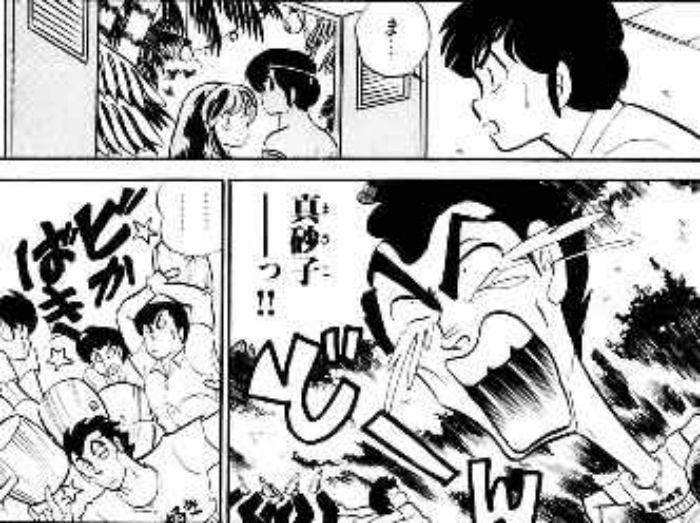
In "Urusei Yatsura," when the Monk Kakuran first appeared, he would always use a large facial close-up to startle the audience; and speed lines appear in every "chut-chou" (slapstick/gag) scene drawn by Rumiko. When a character acts foolish, other characters often appear accompanied by the same speed lines used in "Lone Wolf and Cub" during sword-slashing scenes, making their "chut-chou" incredibly impactful. Rumiko Takahashi's works lack the brutality and ruthlessness of her master Koike, but she transformed these classic gekiga elements, using them in her own absurd and fantastical comedies, yet still achieving similar surprise and power.
A towering wave appearing behind a roaring character in "Urusei Yatsura" Image credit:uruseiyatsura
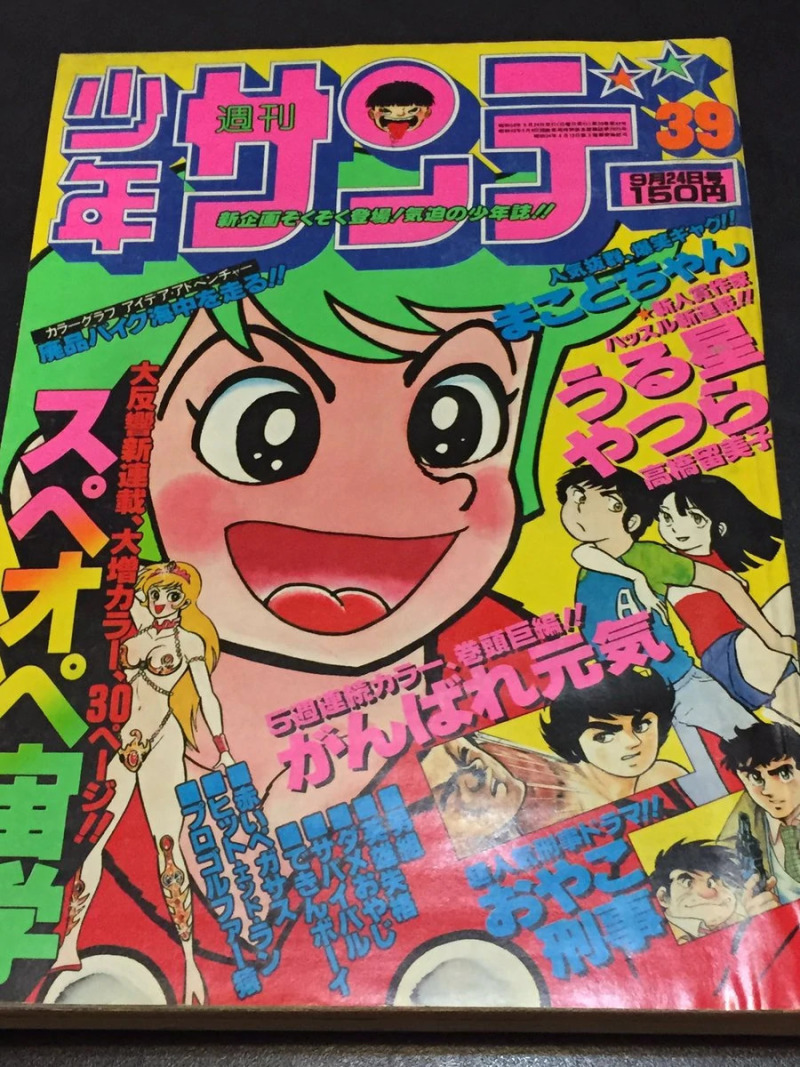
4. The Amazingly Resilient and Dedicated Public ServantApproximately one year after joining Gekiga Sonjuku, third-year university student Rumiko finally received recognition: her work "Katte na Yatsura" (勝手なやつな) won an honorable mention at the Shogakukan Newcomer Manga Award. And in that same year, 1978, "Urusei Yatsura," developed from "Katte na Yatsura," officially began serialization in "Weekly Shonen Sunday." This most dedicated 'civil servant' of the Japanese manga industry officially started work.
"Urusei Yatsura" began serialization in Weekly Shonen Sunday Issue 39 in 1978. Image credit:Urusei Yatsura Wiki
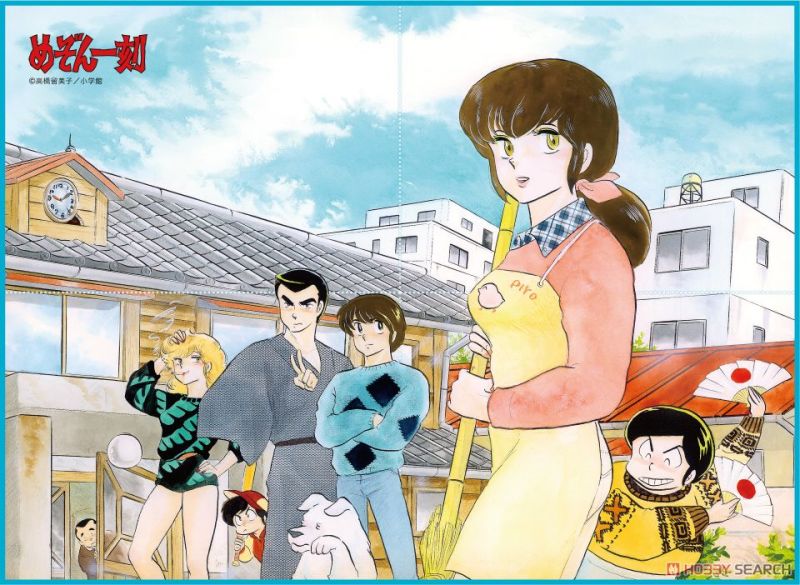
We've discussed too many manga artists who gave up halfway or went on long hiatuses, but Rumiko Takahashi will never be counted among them. Her creative journey is astonishing, not just because her works are all incredibly popular, but because Rumiko has continuously created these works without interruption: "Urusei Yatsura" was serialized from 1978 to 1987; two years after "Urusei Yatsura" began, Rumiko simultaneously serialized another major work, "Maison Ikkoku." She maintained this 'two-boat' approach for nearly 7 years. In 1987, Rumiko Takahashi turned 30, and she decided to conclude these two works, which represented her twenties, together as she reached the age of 30.
"Maison Ikkoku" Image credit:magmix
"Urusei Yatsura" and "Maison Ikkoku" were both hugely popular at the time, and Rumiko rarely took breaks or went on hiatus during their serialization. Theoretically, a manga artist capable of creating national manga works, and two super-popular ones at that, should have taken a good vacation in the summer of 1987 after concluding their serialization—perhaps even taken the rest of their life off, and it wouldn't have mattered. However, just half a year later, Rumiko launched her next long-running series, "Ranma 1/2." Furthermore, in the half-year period between "Maison Ikkoku" and "Ranma 1/2," she also continued to publish short stories such as "Romantic Merchant" and others.
"Ranma 1/2" celebrates its 30th anniversary of serialization Image credit:magmix
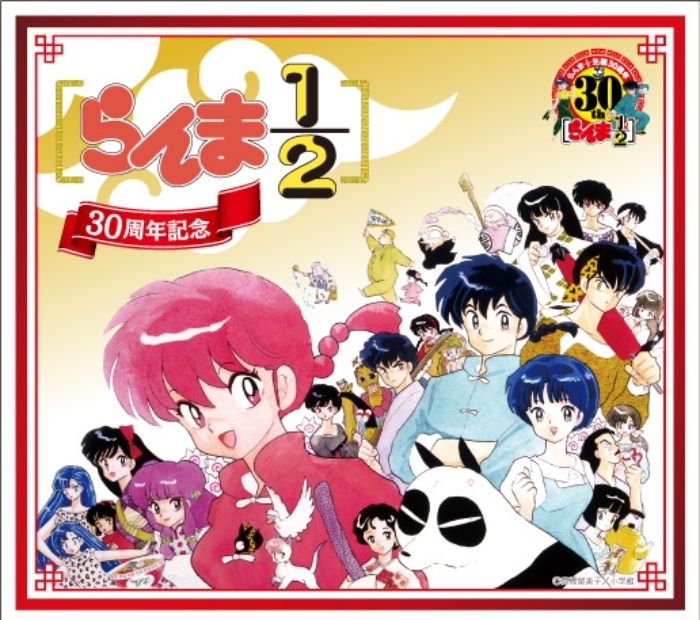
"Ranma 1/2" was serialized for another 9 years, concluding in the spring of 1996. Three works. Now Rumiko Takahashi had three best-selling manga under her belt, and these manga also spawned hugely popular anime series and films. Approaching her 40s, Rumiko likewise did not stop, and less than a year later, in the winter of 1996, she once again launched the long-running series "Inuyasha." This work, with an even stronger fantasy atmosphere, was serialized for a remarkable 11 and a half years... both the manga and anime were popular hits... Then, the following year, 2009, Rumiko launched "Kyoukai no Rinne," which ran for 9 years... Now you understand. When "Kyoukai no Rinne" concluded in 2018, just a few months later, her next long-running series arrived: "MAO," which has been serialized since 2019.
"MAO" Image credit:magmix
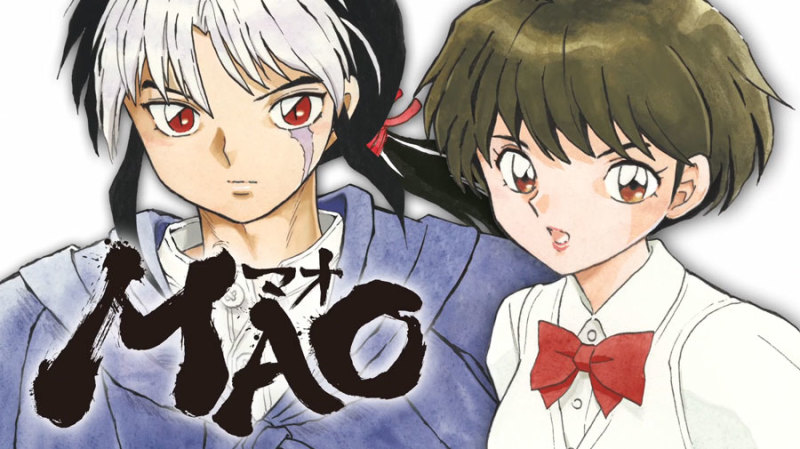
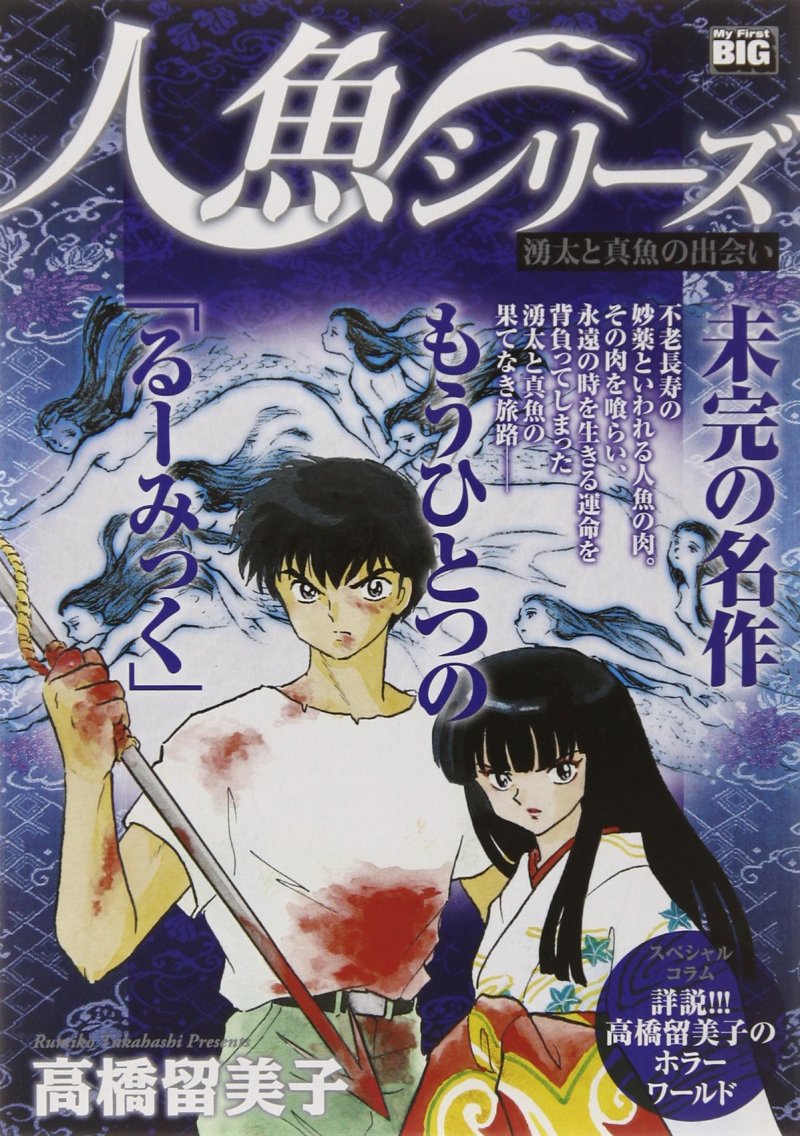
1978 was 44 years ago. In these 44 years, Rumiko has not only created 5+1 long-running manga series, but the first 5 works all had clear beginnings and endings, achieved immense commercial success, and never gave fans any reason to clamor for more—she never took a break longer than a year. And between these long-running works, she still created short story collections including "One-Pound Gospel" and "Mermaid Saga"; as well as poster illustrations or character designs for other activities, novels, games, and so on. Let's momentarily set aside the popularity of "Urusei Yatsura" or "Inuyasha." To continuously work for 44 years, almost without rest, at that drawing desk—whether you are a manga artist or not, this is truly astonishing perseverance.
"Mermaid Saga" series Image credit:RENOTE
5. An Endless Love for MangaThis perseverance was evident even when Rumiko Takahashi was still unknown. In 1978, when she secured a serialization opportunity with "Weekly Shonen Sunday," she was still a third-year university student. For any newcomer capable of serializing in a popular manga weekly, this opportunity would allow them to abandon everything, including their studies, and focus entirely on becoming a manga artist to tackle the weekly serialization grind, earn a substantial income, and bask in the readers' adoration. However, Rumiko Takahashi made a completely different choice: she wanted to do both.
Rumiko Takahashi at 25 Image credit:Twitter
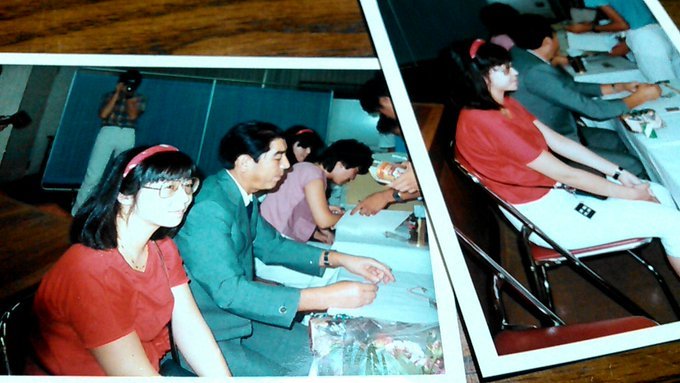
She attended classes in the morning, hunched over her drawing desk at night, and during long holidays or school breaks, she would draw extra chapters to build up a reserve... Rumiko was not only one of the few female manga artists in shonen manga but also one of the rare artists who balanced both her studies and her work. However, rather than saying she wanted to maintain this "I want it all" state of having a foot in both worlds—just as she simultaneously serialized "Urusei Yatsura" and "Maison Ikkoku"—it's more accurate to say that her love for manga was profound beyond measure: for her, drawing manga wasn't work, but entertainment, leisure, and the realization of her dreams. Rumiko's famous quote is: "If you know of anything more interesting than drawing manga, please tell me."
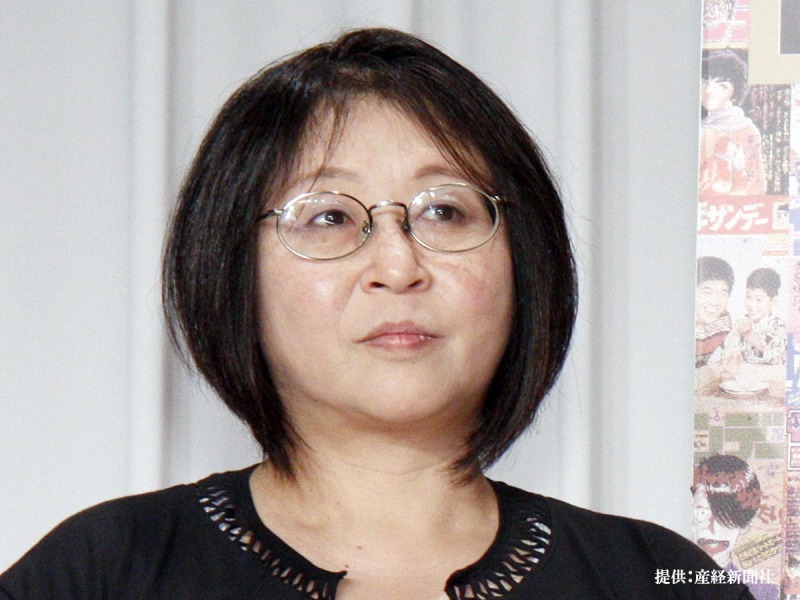
Rumiko Takahashi Image credit:grape [グレイプ]
6. The "Extraordinary" in the OrdinaryRumiko has been able to sustain her work as a manga artist for 44 years not only because she treats drawing manga as a hobby and maintains excellent physical and health conditions for this passion. More importantly, for 44 years, readers from the bubble economy era, to the "Lost Decade" readers, to the mobile and social media generations, have all supported her various works. From school comedies, fantasy comedies, comedies imbued with Taisho Roman flair, and even realistic comedies like "Maison Ikkoku," readers for 44 years have all bought into them... why?
Time flows in "Maison Ikkoku": the protagonists' romance eventually blossoms Image credit:kansou-level
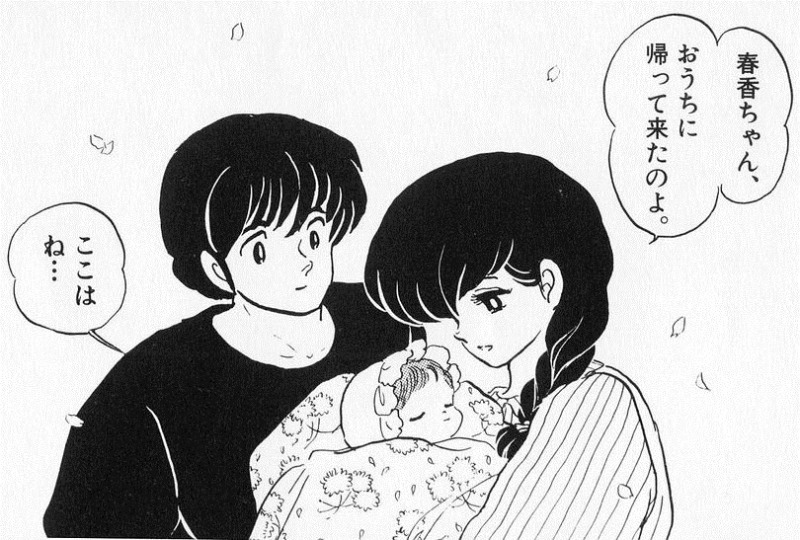
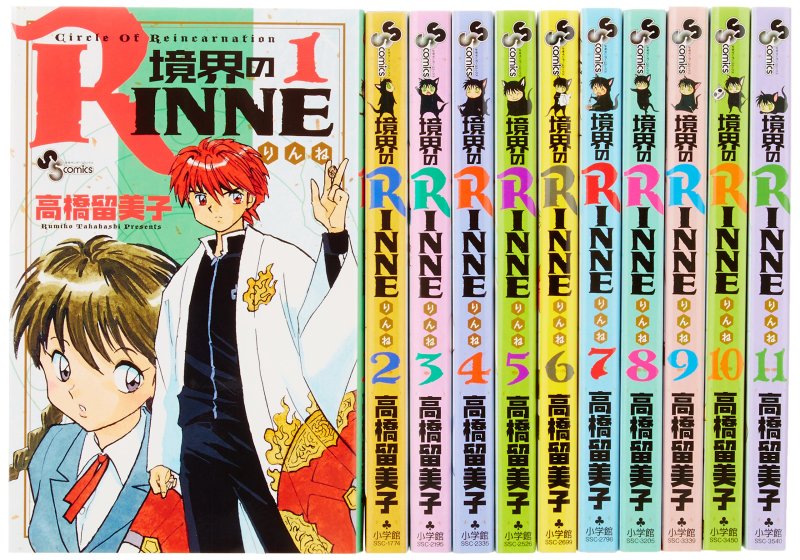
A university student becoming a professional manga artist and continuously maintaining both identities is, for ordinary people, an "extraordinary ordinary." This style also appears in all of Rumiko's works. Aliens invading Earth, a kung fu kid from China entering a Japanese school, a high school girl breaking a thousand-year seal... these plot outlines for "Urusei Yatsura," "Ranma 1/2," and "Inuyasha" all describe the extraordinary that disrupts the ordinary. Rumiko, who prioritizes character development, simultaneously ensures that these "foreign" characters maintain an "extraordinary" state: they may not be as vicious as aliens in cheap sci-fi movies, but they certainly possess strange quirks, different living habits, and particular obsessions.
"Rin-ne" Image credit:Amazon
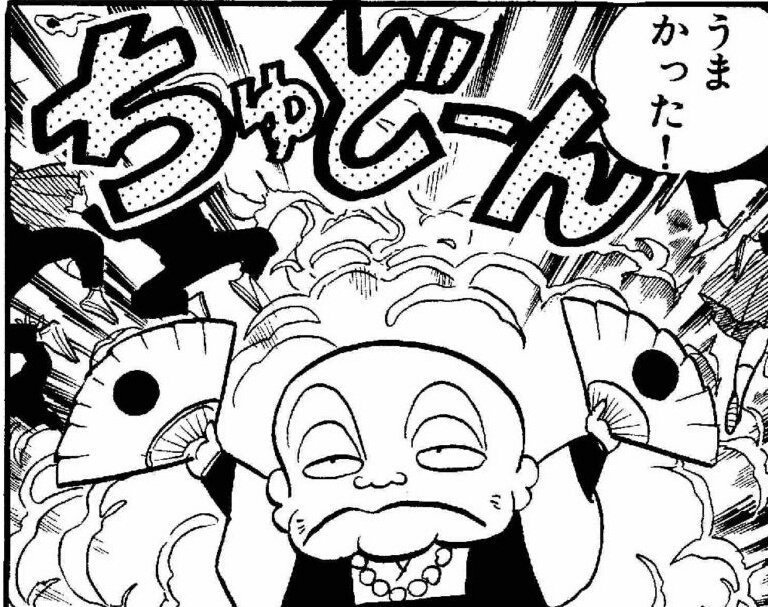
Whether these extraordinary characters come from the demon world, outer space, or another realm, these unusual settings are merely one attribute of theirs, not their entirety. Thus, you'll find that Lum's father is actually no different from the countless traditional Japanese fathers who adhere to male chauvinism, only letting go of his inhibitions and crying when drunk; Inuyasha, aside from the beast ears and tail on his head, appears no different from the countless Japanese high school boys in their awkward phase, possessing the same pointless stubbornness and hot-blooded enthusiasm. These extraordinary characters are actually very similar to ordinary characters, and their extraordinary settings merely serve to enhance dramatic effect and attract readers. Even the strangest characters, such as Yotsuya from "Maison Ikkoku" or the Chaotic Monk from "Urusei Yatsura," seem to lack normal human emotional responses, but Rumiko also ensures that these pure plot devices make the audience burst into laughter every time they appear.
The Chaotic Monk from "Urusei Yatsura" Image credit:Twitter
Rumiko Takahashi was, is, and likely always will be a legend in the Japanese manga industry; unmarried, she seems to have dedicated her entire heart and soul to her manga career. She is like a manga production machine that never crashes, and her formulas for absurdity and silliness remain highly effective. Moreover, let's not forget that she introduced the "romantic comedy" genre into shonen manga, momentarily making the hot-blooded, friendship-and-victory spirit championed by "Weekly Shonen Jump" seem dull and uninspired. At 64 years old, her age seems to be no issue at all, given her long-standing self-discipline and creative ideation—perhaps she is already planning a new manga serialization for her 70th birthday.