

Game creator Hideo Kojima recently sat down with Wired to revisit the core concepts of his 2001 classic, "Metal Gear Solid 2: Sons of Liberty." He candidly stated that the game has long been misunderstood as an "AI prophecy," when its true focus was the trajectory of digital society and a future he desperately hoped would never come to pass.
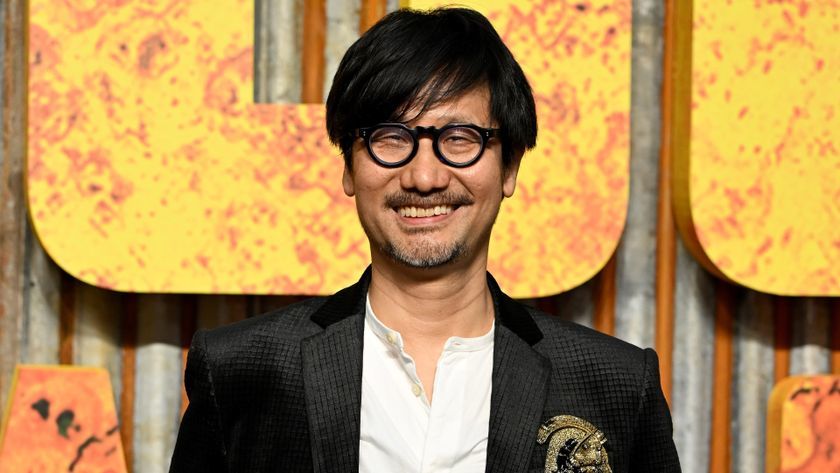
The interview, part of Wired's "Tech Support" series, saw Kojima answering reader questions, including whether "Metal Gear Solid 2's" depiction of a "controlled world" mirrors today's emerging AI reality.
Kojima unequivocally clarified that "Metal Gear Solid 2" was never about AI itself, but rather about human society in a digitized age. He pointed out that unlike its predecessor, which centered on DNA, "Metal Gear Solid 2" delved into "memes"—ideas and behaviors that can't be preserved by DNA but are replicated and spread among humans.
Kojima further explained that his concept of "memes" was drawn from biologist Richard Dawkins' book "The Selfish Gene," not the modern internet meme culture.

In the digital world, information never truly vanishes; every trace can be preserved indefinitely. Even graffiti, fragmented remarks, or emotional opinions are constantly replicated, linked, and amplified across the internet, eventually forming an information structure with its own momentum.
He recalled that the latter half of "Metal Gear Solid 2," through the protagonist's "reality collapse," aimed to portray humanity gradually losing its judgment amidst a massive flood of information. However, he stressed that this wasn't a story of AI replacing humans, but rather a metaphor for how digital data, intertwined with itself, begins to influence human society as if it possessed its own "will." Kojima admitted this wasn't a prediction of the future, but rather the direction he least wanted to see back then.
Now, 24 years after "Metal Gear Solid 2's" release, Kojima expressed a sense of helplessness, noting that his warnings are slowly becoming reality. While the game didn't depict phenomena like generative AI or digital resurrection, its anxieties about information manipulation, misinformation, and societal division resonate strongly with current technological developments. For him, this "undesired future" is drawing near, which is precisely why the game continues to be discussed and analyzed today.