
The exclusive masterpiece Ghost of Tsushima, which debuted in the late PS4 era, received excellent reviews for its stunning scenery, outstanding combat system, and compelling storytelling. Its homage to Akira Kurosawa's samurai films truly awakened the romantic samurai spirit. Finally, on August 20th this year, the enhanced version, Ghost of Tsushima Director's Cut, designed for the next-generation PS5 console, was officially released. Having eagerly awaited it, I spent a considerable amount of time experiencing all the new elements. Let's immediately discuss my impressions of playing it on the PS5 console!
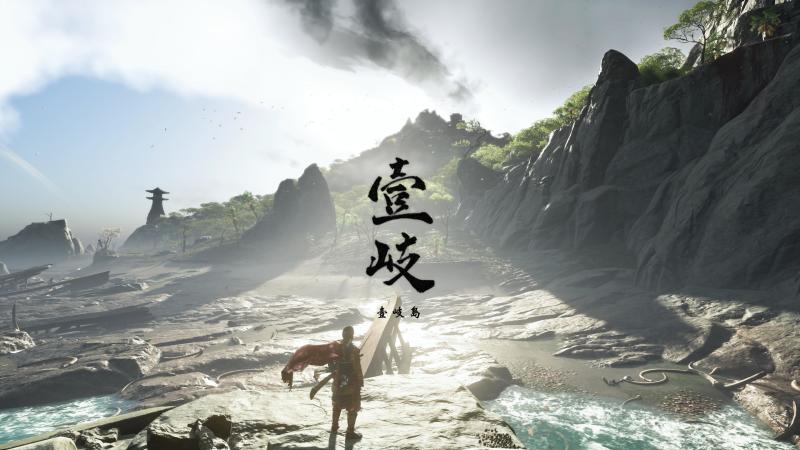
A New Chapter Exploring the Past and Inner Nightmares
Ghost of Tsushima Director's Cut features a brand new story chapter, "Iki Island Chapter." Protagonist Jin Sakai will journey across the sea to Iki Island, a new map southeast of Tsushima. This island was once a battleground for the Sakai family and the place where his father, Kazumasa Sakai, met his demise. Facing the invading Mongol tribe "The Eagle," local residents and bandits who were once massacred by samurai, and as the sole descendant of the Sakai family arriving alone, Jin must not only confront new enemies from The Eagle tribe but also persuade people who despise samurai and overcome the nightmares deeply rooted within him.
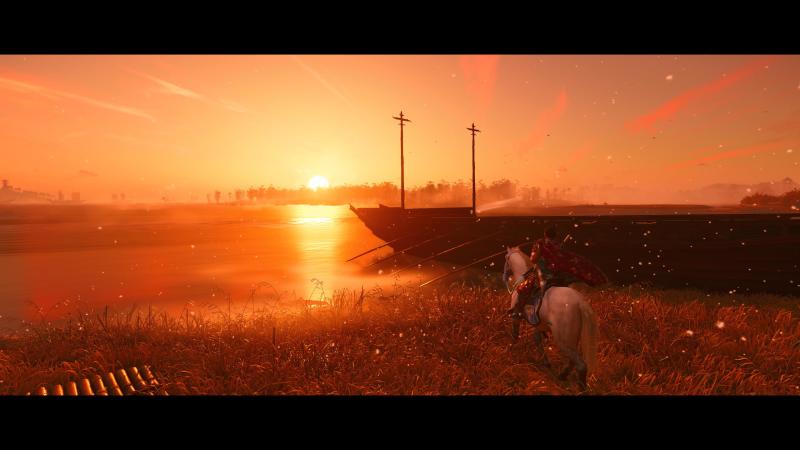
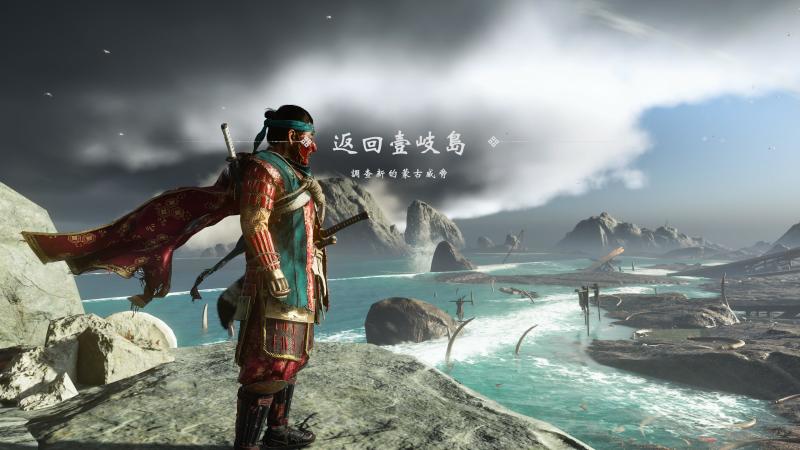
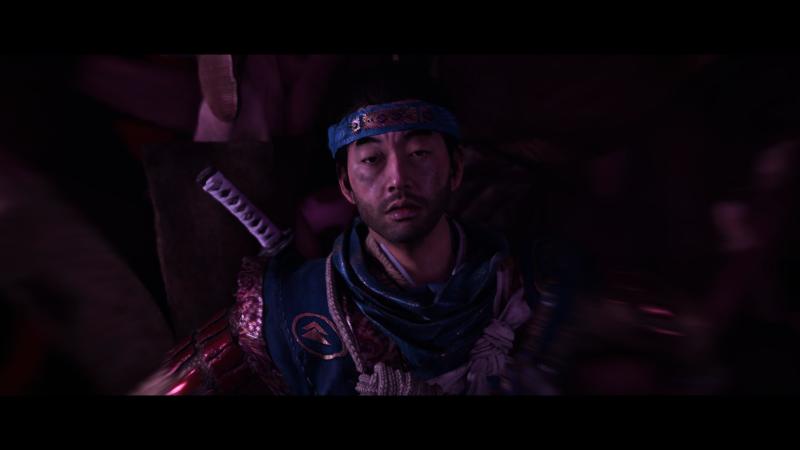
I won't spoil the detailed plot, allowing everyone to experience it for themselves. The overall main and side quests are not overly long, offering a richness comparable to one region of Tsushima Island. Although the theme revolves around the common "overcoming inner demons and resolving hatred," the character development is quite profound. You can feel Jin Sakai's gradual growth and the changing mindsets of the residents. Coupled with side quests, you can further understand Jin's childhood experience of witnessing his father's murder and the reasons behind his nightmares. The narrative flows smoothly, covering all necessary points, and the presentation maintains a high standard.
Picturesque Scenery Remains, New Elements Enrich the Gameplay Experience
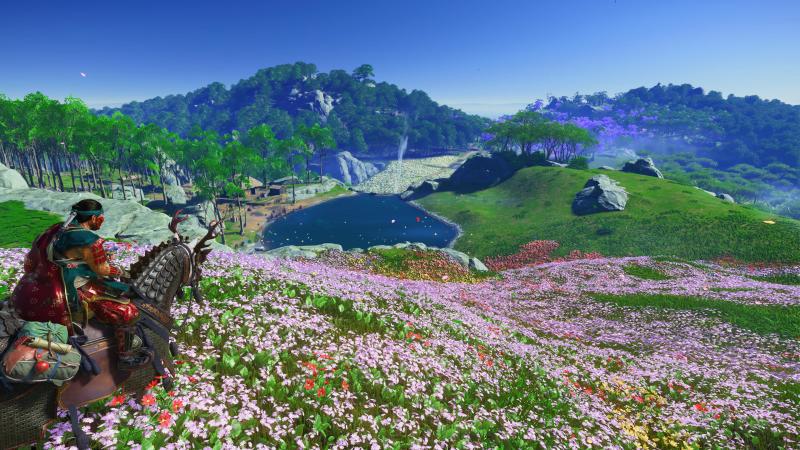
What about the scenery of the new map, "Iki Island"? It's absolutely beautiful! Compared to Tsushima Island, which offers a journey through seasonal changes from south to north, Iki Island evokes a very warm island image. It's covered in colorful flowers and plants, and you can experience natural hot springs, vast plains, dense forests, and treacherous tides. Watching the sunrise and sunset by the shore is an exquisite pleasure. Of course, such beautiful scenery wouldn't be complete without animal companions. Although the popular little foxes aren't here, this time, three new interactive animals have been added: cats, deer, and monkeys!
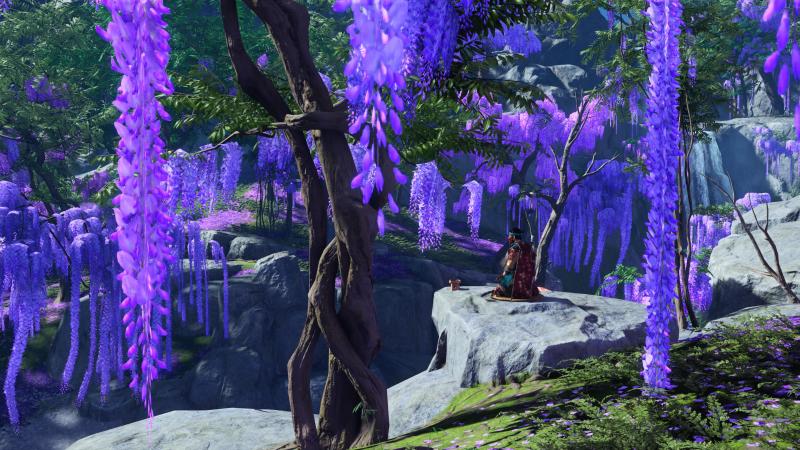
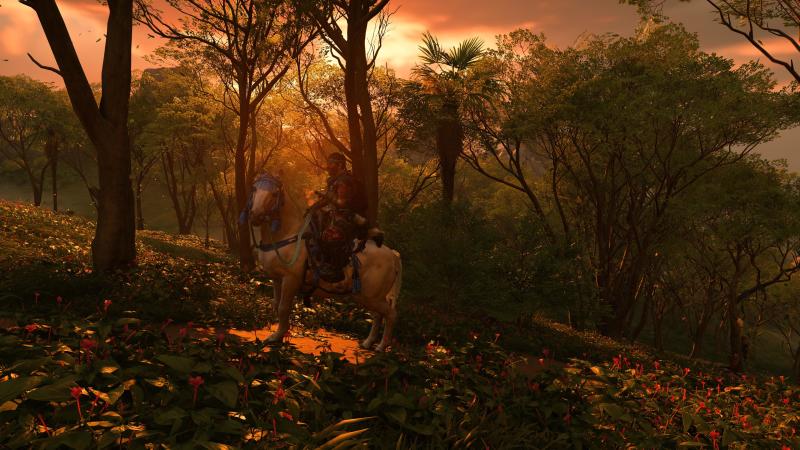
▼ The new "Animal Sanctuaries" allow you to play music to get closer to animals. It's like a game of Operation, where you swing the controller up and down, keeping the reticle within the musical range. Once successful, you can pet cats, deer, and monkeys to your heart's content.
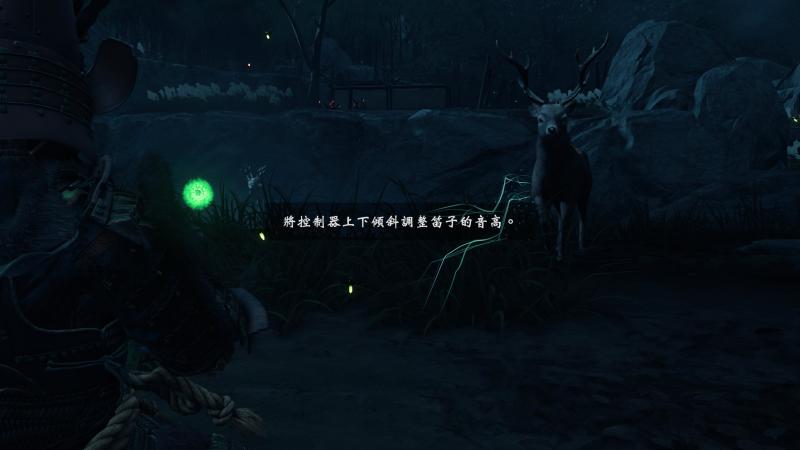
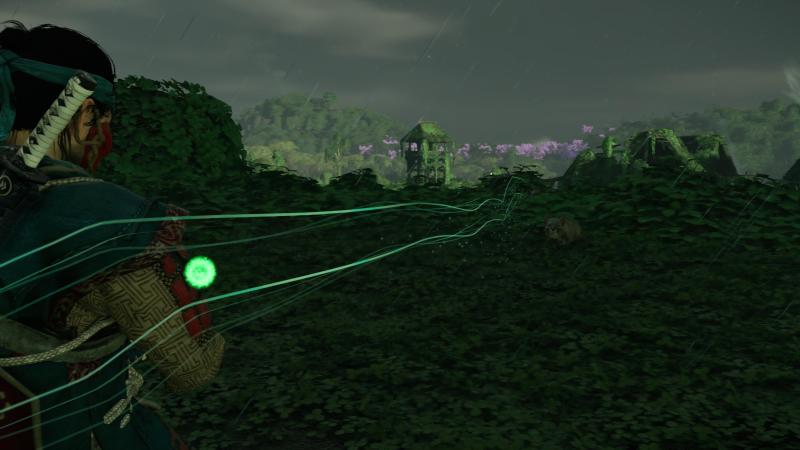
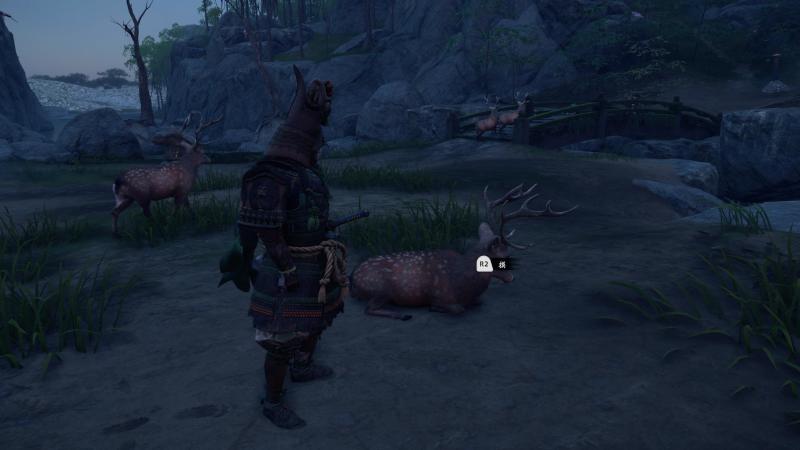
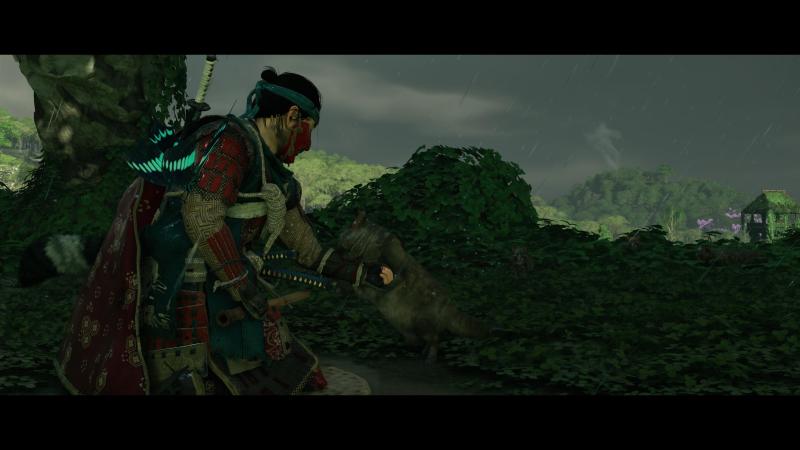
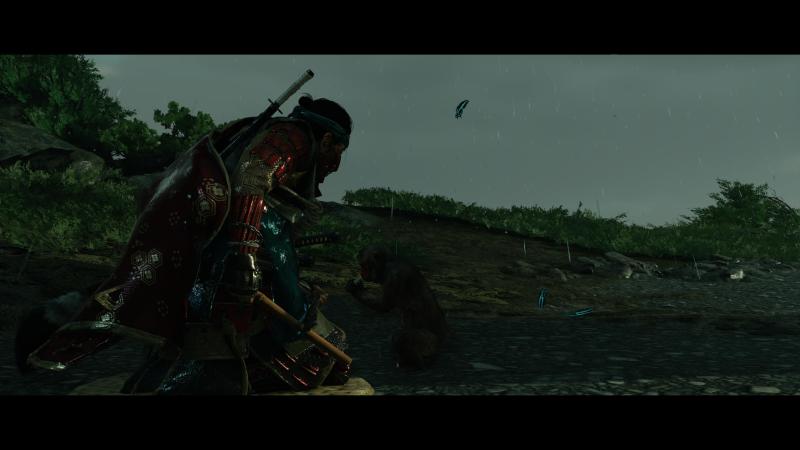
▼ At certain hot springs, you can even share a relaxing bath with groups of monkeys, offering a truly therapeutic feeling.
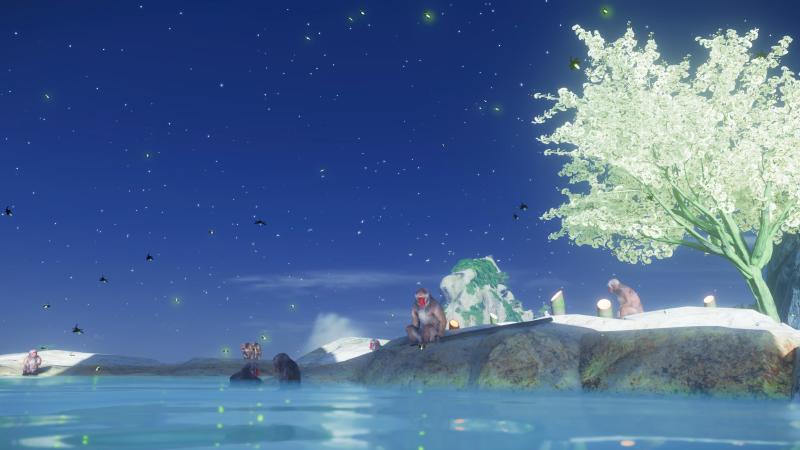
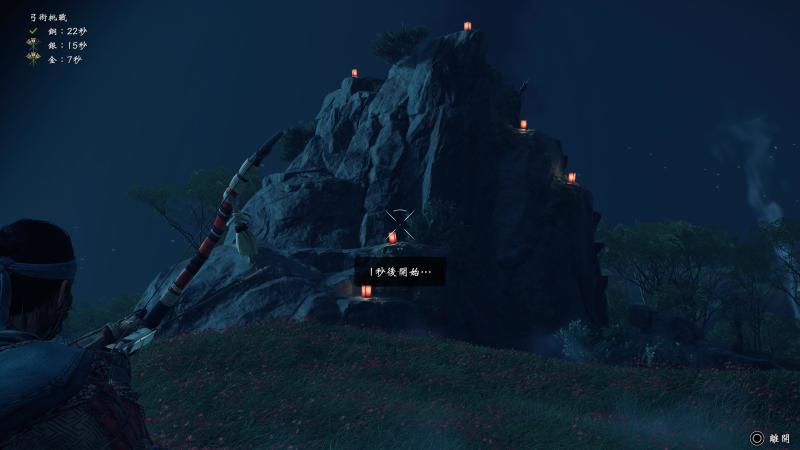
Elements previously seen on Tsushima Island, such as bamboo strikes, shrines, and haiku spots, can still be found on Iki Island. Furthermore, several new mini-game locations have been added. In addition to the aforementioned Animal Sanctuaries, there are "Archery Challenges" scattered across Iki Island. By hitting 7 lanterns within a specified time, you can earn enhancement rewards. While it might seem challenging at first, with practice and effective use of skills and equipment, you can easily achieve good scores.
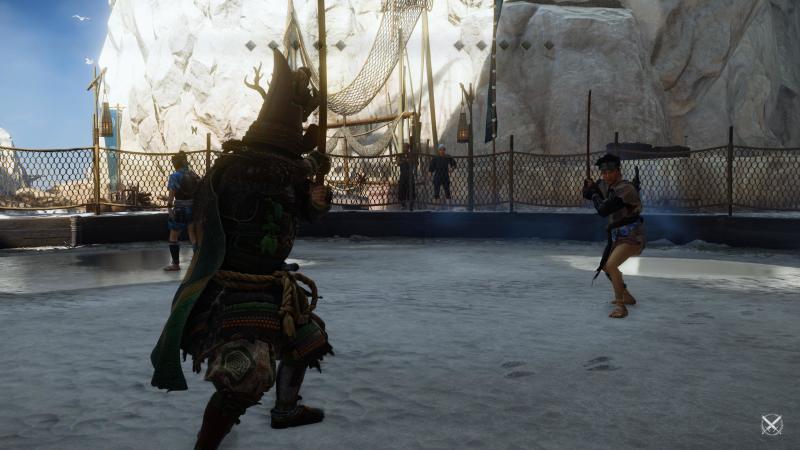
At the bandit camps, the "Duel Tournament" allows you to spar with four NPCs using a wooden sword. Although your opponents are not samurai trained in swordsmanship, you absolutely cannot underestimate them; their unpredictable moves can be more challenging than the Mongols you encounter on the road. It's quite useful for honing your combat skills, and if you, like me, have forgotten how to play the game, the Duel Tournament should help awaken your combat memories.
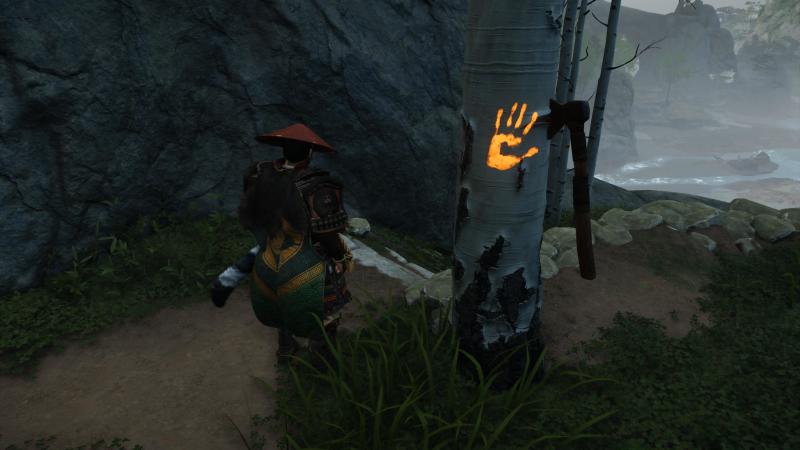
▼ Furthermore, Iki Island holds many Easter eggs and a wider variety of equipment for you to discover personally!
New Enemy Types Pose Greater Threat, Horse Charge Delivers Immense Satisfaction
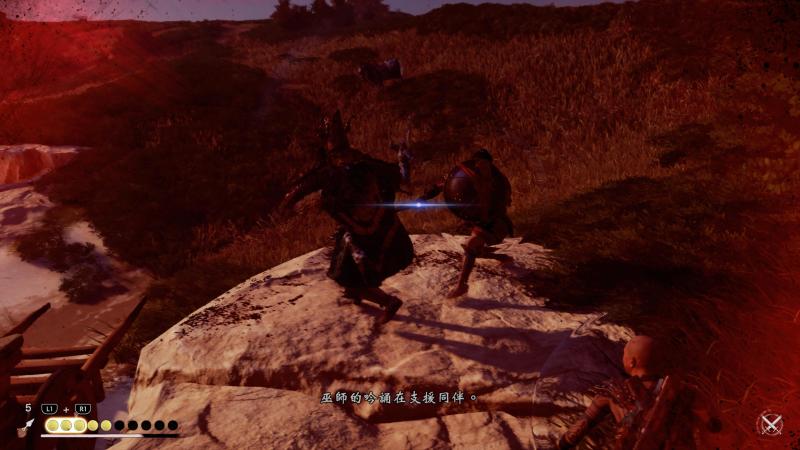
Speaking of the Mongols, in this Director's Cut, you can feel that the enemy AI on Iki Island has been enhanced. Most Mongol soldiers carry two sets of weapons, switching them as needed. Jin Sakai must pay closer attention to changes on the battlefield, parrying or dodging more varied attacks, while also guarding against the new enemy, the "Shaman." Mongol Shamans typically hide behind enemy lines, continuously chanting spells. These chants not only annoy your ears but also significantly boost the combat abilities of surrounding Mongol soldiers, making them formidable even on the lowest difficulty. Eliminating Shamans early will make battles much smoother.
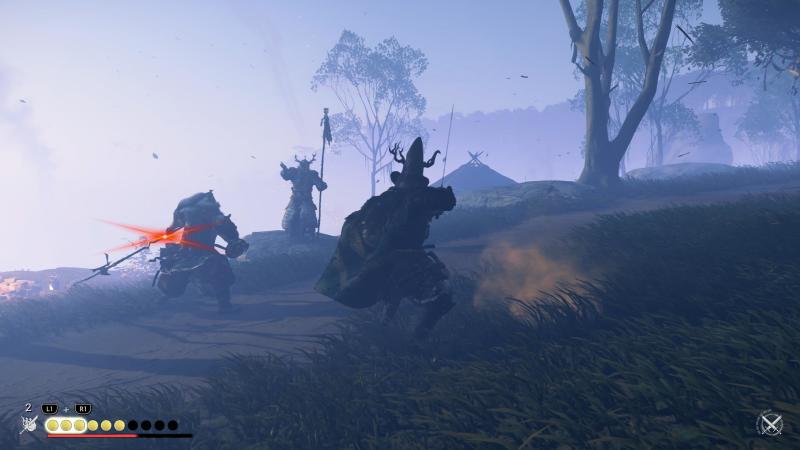
▼ Enhanced Mongol soldiers will have a noticeable ripple effect, fewer openings, and hit incredibly hard.
Facing more formidable enemies, our protagonist Jin Sakai's beloved horse has, of course, also been enhanced. The new skill "Horse Charge" allows you to ram into large groups of enemies by consuming just 1 Resolve, charging directly towards buffed Shamans. It's truly a useful and exhilarating skill. The changes on both sides add more variety to tactical choices, though this primarily applies to direct confrontations. If you choose the Ghost's path of stealth attacks with a bow or assassinations from tall grass, there are essentially no changes.
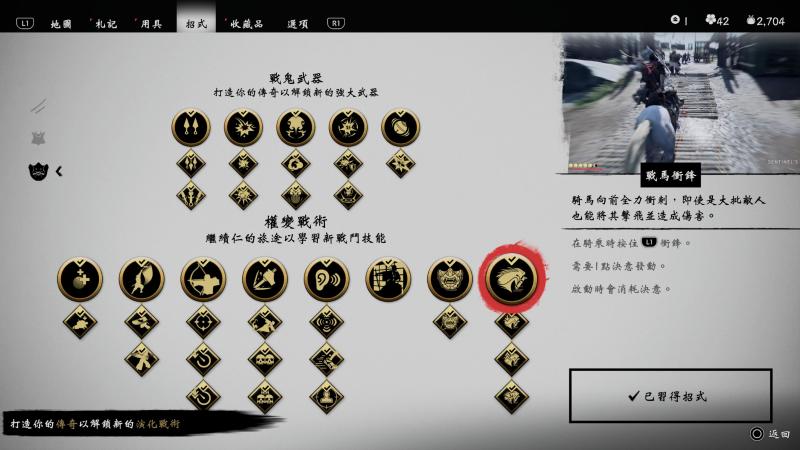
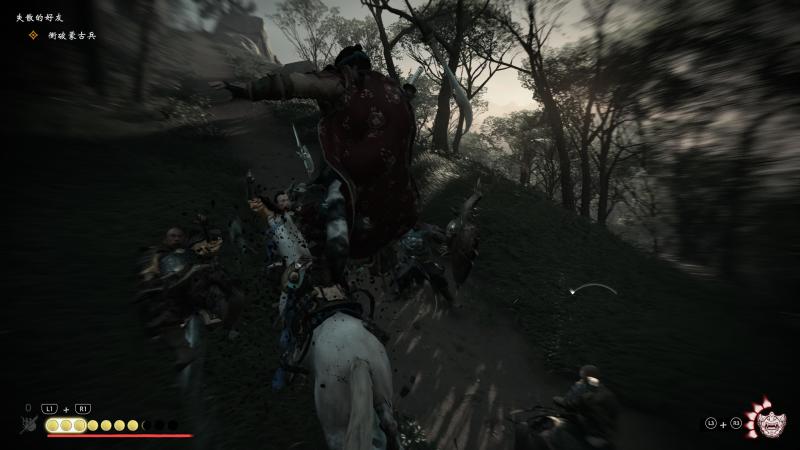
▼ In addition to the Horse Charge, our beloved horse also gains a super practical new equipment, the "Saddlebag," which allows you to carry double the usual amount of ammunition, replenishing it wherever you go.
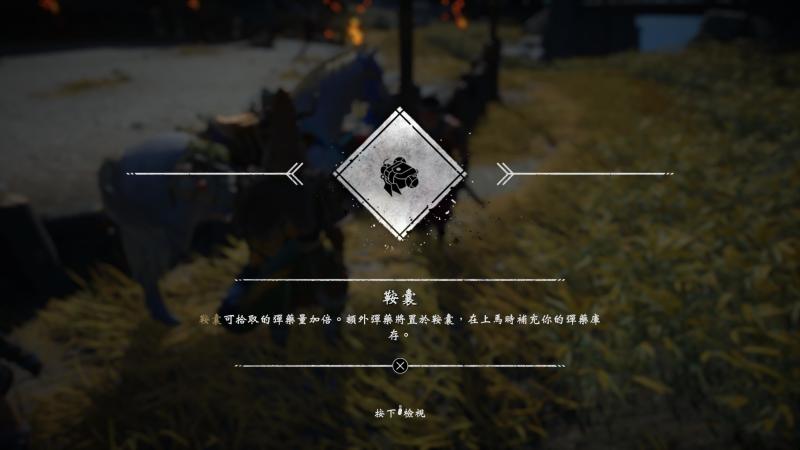
The above generally covers my experience with the new elements. Next, let's discuss the changes brought by the hardware and system.
Graphics
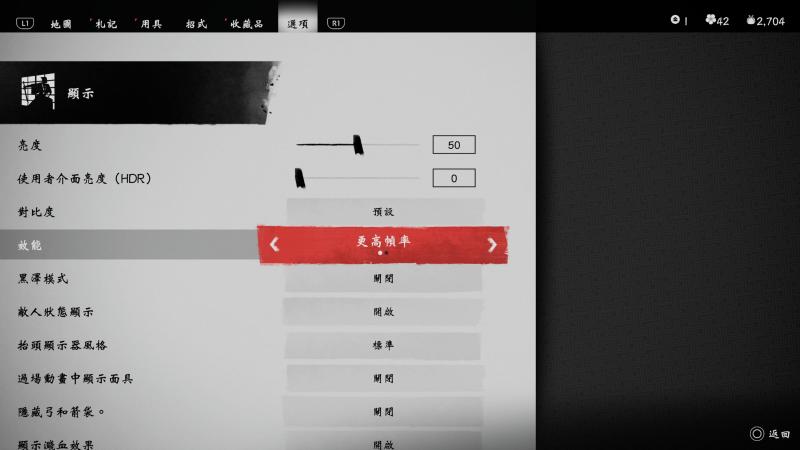
Ghost of Tsushima Director's Cut on the PS5 console supports a performance experience of 4K resolution at 60 FPS. Playing it, you can clearly feel that compared to the PS4 Pro, the texture resolution is sharper, and the frame rate remains stable at 60 FPS, providing an excellent gameplay experience. However, to fully leverage the PS5's performance advantages, a large 4K screen is truly necessary. For most players using 1080p or 1440p monitors, a noticeable upgrade in graphics is difficult to achieve, and switching between "Higher Framerate / Higher Resolution" options in-game feels indistinguishable.
Loading Speed
If you previously used the PS4's built-in HDD, the PS5's loading speed will be incredibly noticeable. If you had an external SSD for your PS4, the PS5's custom ultra-high-speed SSD still blows it out of the water. I must commend the PS5's custom ultra-high-speed SSD; whether it's launching the game, transitioning between events, or even fast-traveling from Iki Island back to Tsushima, all loading times are almost under 5 seconds. It seems the promise to "make loading screens a thing of the past" was indeed true.
Haptic Feedback, Adaptive Triggers
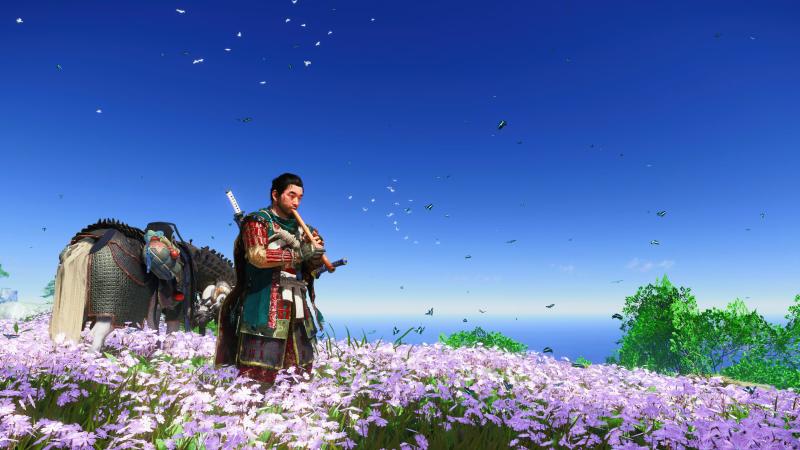
More astonishing than the graphical improvements, Ghost of Tsushima Director's Cut truly shines in its utilization of the PS5 DualSense controller's features. The haptic feedback technology, delivered through subtle vibration variations, is like the dynamic massage chair you experience in a 4DX movie. Whether it's cutscenes, every action of the character during gameplay, the clash of swords and explosions, or the rhythmic hoofbeats on various terrains, all these vibrations are frequently and delicately transmitted to your hands, creating a heightened sense of immersion.
▼ Playing the flute probably offers the most outstanding haptic feedback experience in the game, allowing you to feel a remarkably realistic resonance effect.
The adaptive triggers are primarily used for actions such as drawing a bow, using a blowgun, and destroying barricades with a grappling hook. When pulling the grappling hook to break barricades, drawing a bow, or using a blowgun, pressing R2 provides significant resistance, as if you are truly tightening a bowstring. Simultaneously, haptic feedback simulates the trembling of your hands when exerting force, making it more than just a simple button press. I personally really enjoy this fresh sensation, though at the same time, I found it slightly unadaptable because during rapid presses, the adaptive triggers sometimes can't react quickly enough, creating a subtle sense of discontinuity. Aside from that, the overall experience is excellent.
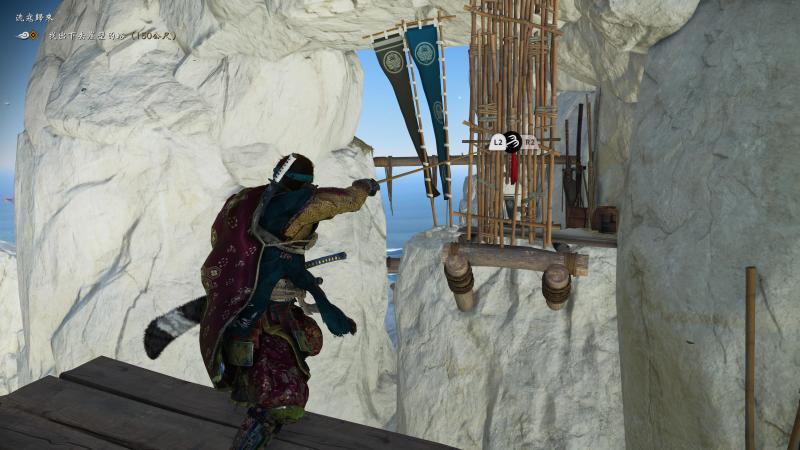
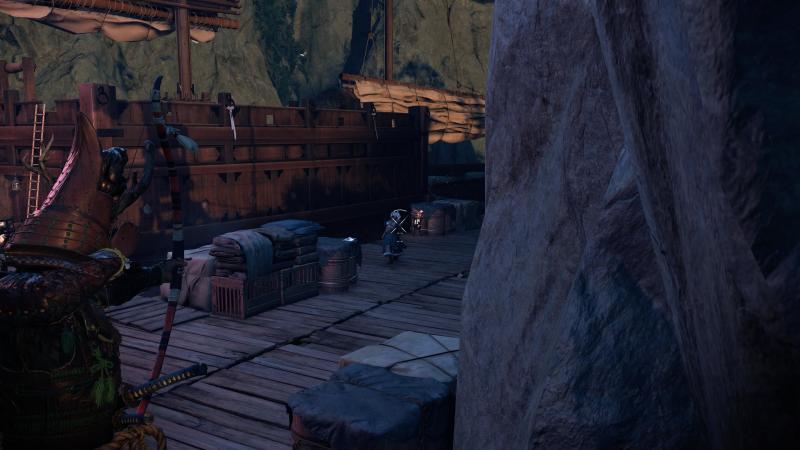
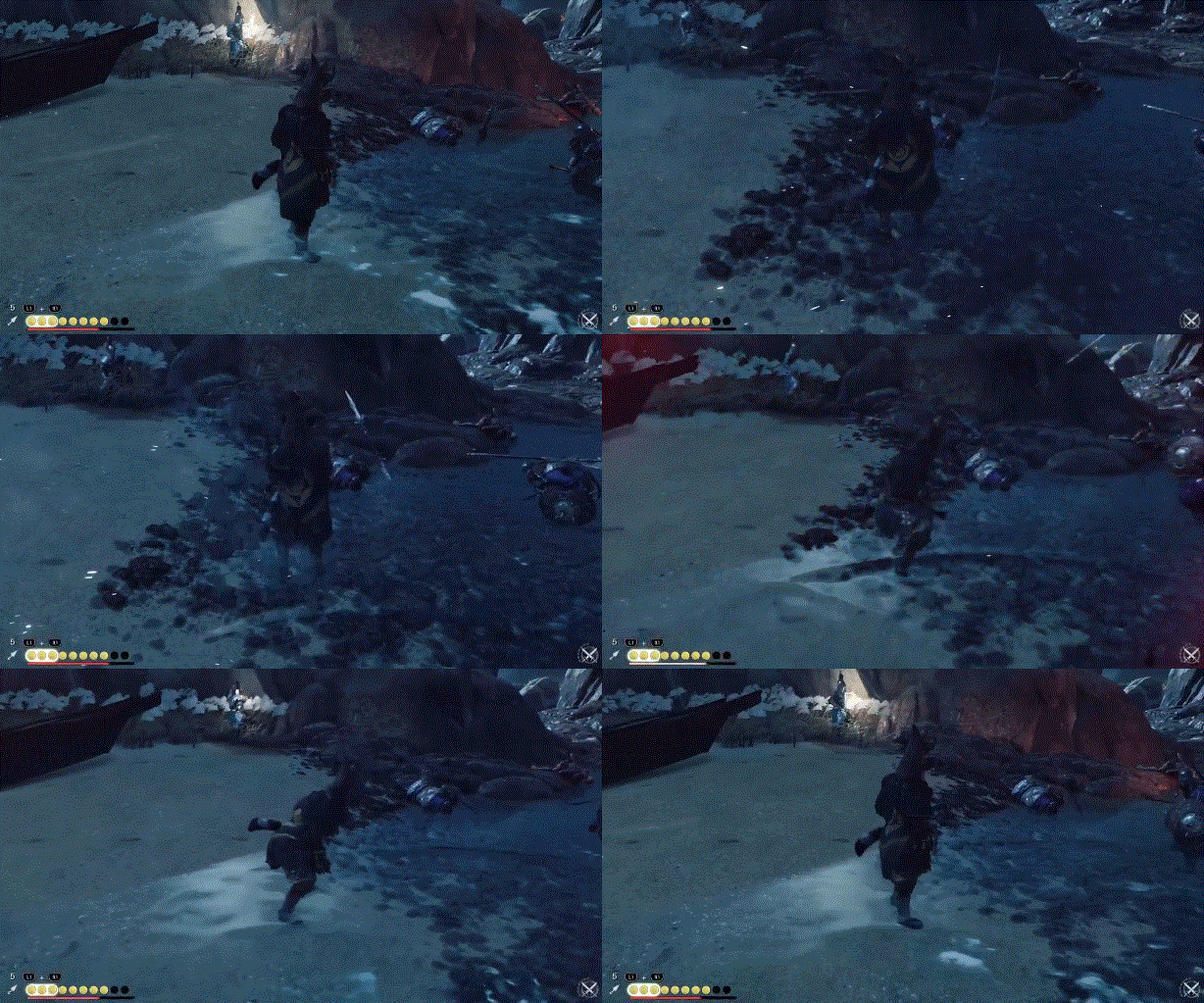
▼ The game also contains several harmless bugs, such as Mongol zombie-like shamans whose corpses continue to chant spells, a naked Jin Sakai, and beware of Mongol black-tech battle tops. However, these should likely be fixed soon.
In summary, Ghost of Tsushima Director's