
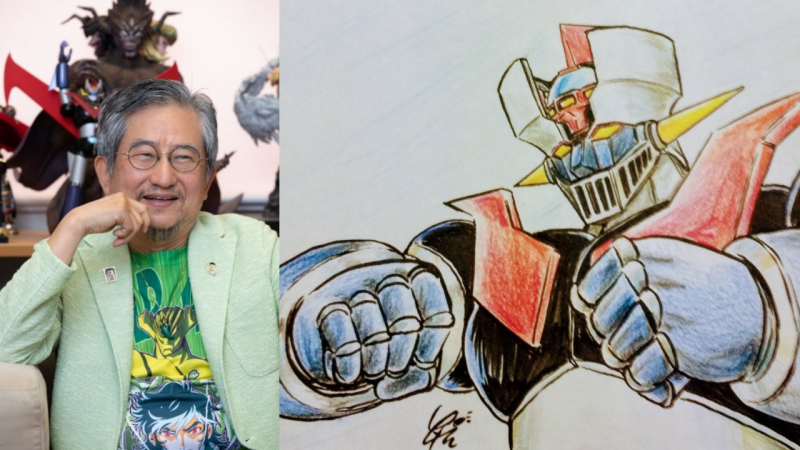
In the early 1970s, the concept of "giant robots" was still largely unfamiliar. Yet, from the 1980s onward, these colossal machines have dominated popular culture, with iconic series like "Gundam," "Getter Robo," "Neon Genesis Evangelion," and "Pacific Rim" shaping the unforgettable childhoods of countless fans over the past four decades. This entire phenomenon, surprisingly, began with a traffic jam. We must delve into Go Nagai and his groundbreaking 1972 TV anime, "Mazinger Z," which truly set the stage for the super robot genre.
Mazinger Z Image credit:dアニメストア
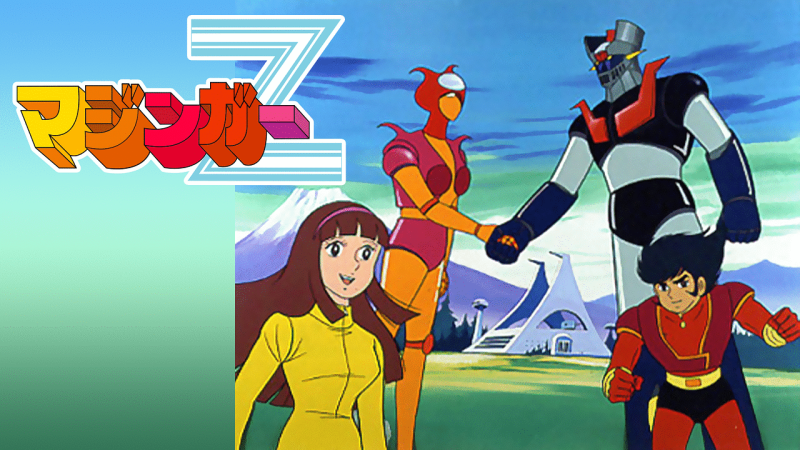
Wanting to Befriend Robots
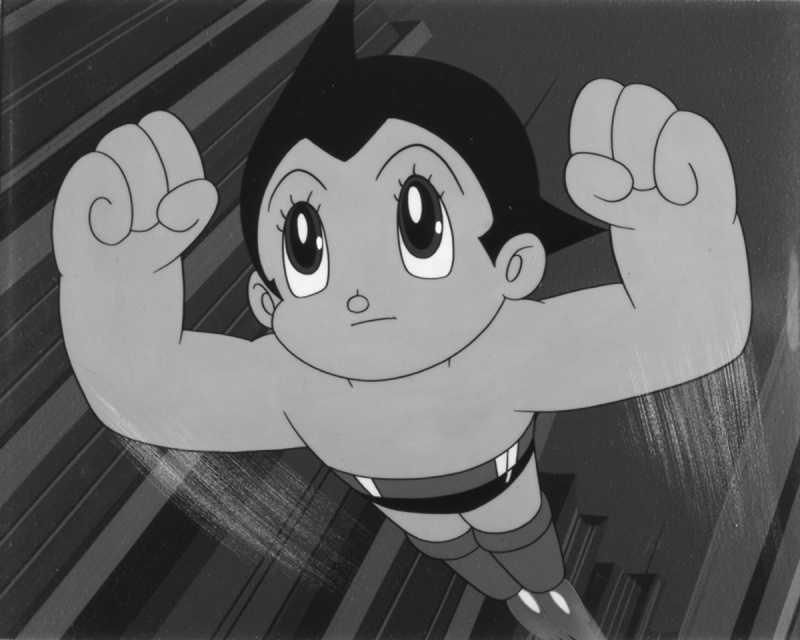
Before the 1970s, Japan was arguably the nation most enamored with robots. Master mangaka Osamu Tezuka created "Astro Boy," while Mitsuteru Yokoyama brought us "Tetsujin 28-go." These incredibly powerful robots were the dreams of Japanese youth. Everyone admired and envied them, yet also kept a certain distance. In that era, "wanting to be friends with a robot" was the most direct way for children to express their affection. Why? The answer is simple: because they were "people."
"Astro Boy" Image credit:WEDGE Infinity
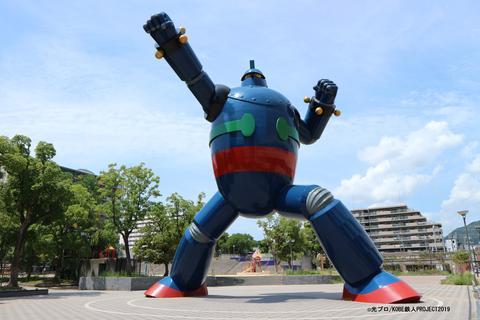
Robots were considered a type of "person"—beings similar to humans but distinct. They possessed their own will and values. As humans, the best way to coexist with such a species was peacefully. Before the 1970s, robots in entertainment could be servants, friends, or classmates, rather than inanimate "tools" or "vehicles." Take "Tetsujin 28-go," for example: protagonist Shotaro Kaneda controlled Tetsujin 28-go with a remote, yet to some extent, Tetsujin still harbored a will that Shotaro "couldn't control," often acting autonomously. You can see similar portrayals in the later OVA "Giant Robo: The Animation - The Day the Earth Stood Still," where Giant Robo even "weeps."
"Tetsujin 28-go" Image credit:神戸市
You'll notice that the concept of robots in that era differed significantly from what we see in modern robot anime. Before the 1970s, human protagonists typically had to "ask" robots for help to resolve crises. For instance, villains might use deception to trick Astro Boy into doing their bidding. This entire concept was completely overturned with the 1972 debut of "Mazinger Z." Rather than being a sentient "steel human," Mazinger Z was more accurately Koji Kabuto's "weapon," "vehicle," and even an "extension of his limbs." "Mazinger Z" stands as the first robot anime in history where a human "wore" or "piloted" a giant robot.
Mazinger Z Image credit:東映チャンネル
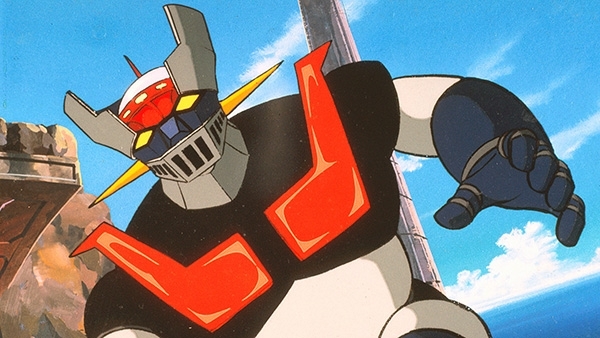
A Divine Weapon for Justice
The very design of Mazinger Z reveals its destiny as a mere tool: this 18-meter-tall robot, forged entirely from Super Alloy Z, is a "demon god" that harbors the power to "become either a god or a devil." What does "power to become either a god or a devil" truly mean? It signifies that this immense power, like water, can either float a boat or capsize it. The colossal Mazinger Z possesses immense strength and a formidable exterior, but it operates entirely at its master's command, its alignment determined by whether its pilot is a benevolent god or a malevolent demon.
Mazinger Z Image credit:アニメイトタイムズ
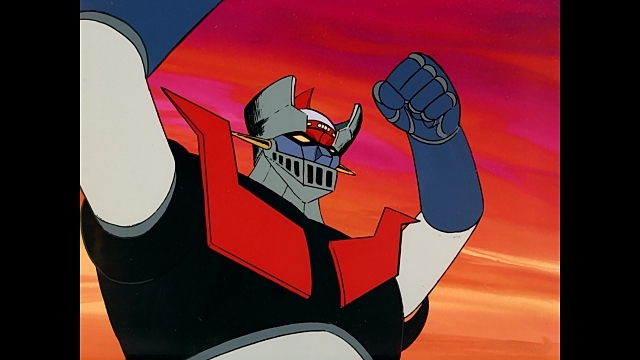
This differs somewhat from Astro Boy's Pinocchio-like premise. Astro Boy embodies an innocent heart, yet to distinguish between good and evil, and through daily experiences, he shapes himself into either a force for good or ill. Mazinger Z, however, is different. If a villain were to jump into its cockpit, the righteous Mazinger Z could instantly transform into a world-destroying demon. Compared to Astro Boy, Mazinger Z is a simple machine without a heart or the capacity for growth; it is an extension of Koji Kabuto. Without a pilot, Mazinger Z becomes nothing more than an inanimate doll. Koji's grandfather, Juzo Kabuto, developed Mazinger Z and bestowed it upon his grandson, with the underlying hope that it would serve to protect Koji while simultaneously tempering his will—allowing Koji to realize his responsibilities and mission through the act of piloting.
Mazinger Z Image credit:Bandai Channel
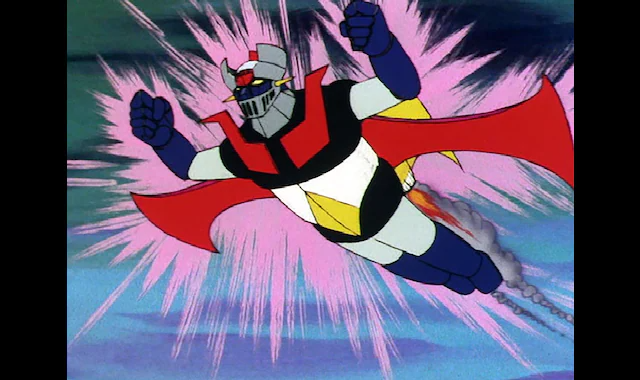
The Ultimate Test of Will: Life-or-Death Piloting
No matter how you look at it, remotely controlling a robot is a hundred times safer than piloting one directly—which is precisely why most real-world robots are designed for remote operation. However, engaging in combat with a robot is, at its core, an act of "violence." For creator Go Nagai, his aversion to violence is unequivocally expressed in his timeless classic "Devilman." Even when the protagonist's violence is used to protect his family, it remains violence. And if such violence were to be carried out through the "safe" method of remote control, Nagai would consider it an irresponsible approach.
Mazinger Z Image credit:twitter
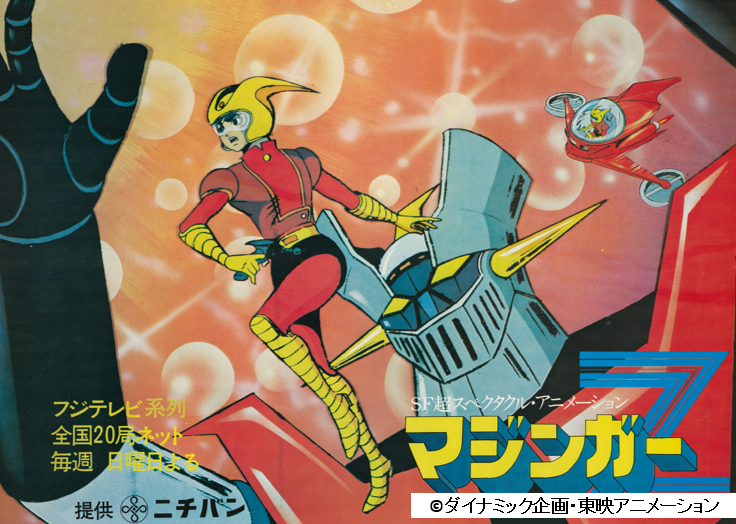
Piloting a robot from inside the cockpit carries immense danger; the pilot could easily die before even defeating the enemy. Conversely, this starkly highlights the profound cost and unwavering determination required from the pilot to overcome their foes. For Go Nagai, this was his deliberate intention behind designing Koji Kabuto to pilot Mazinger Z from its head—a desperate, do-or-die resolve. The willingness to sacrifice one's precious life to stop evil right here and now... Go Nagai is arguably the most ruthless mangaka in history, notorious for tormenting his protagonists, who often end up dead or maimed. This is the fiery artist's extreme method of interpreting "justice"—if you lack the resolve to lose your life, then don't even speak of justice.
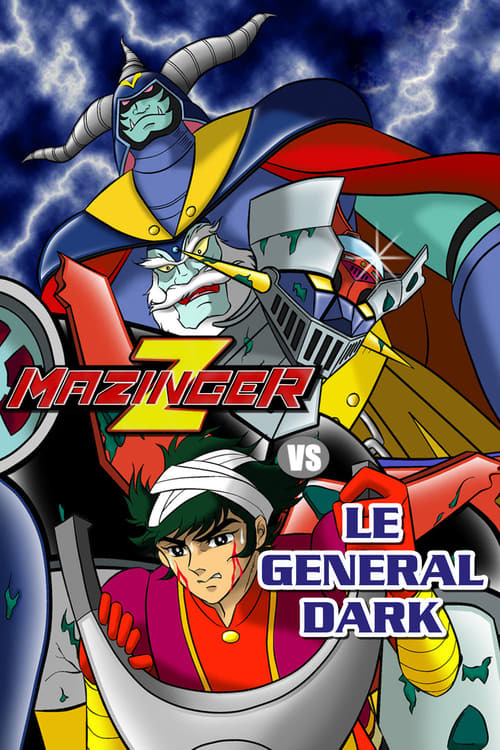
Koji, always battered and bruised Image credit:Streaming Film Complet en Version Française
Go Nagai: The Provocateur
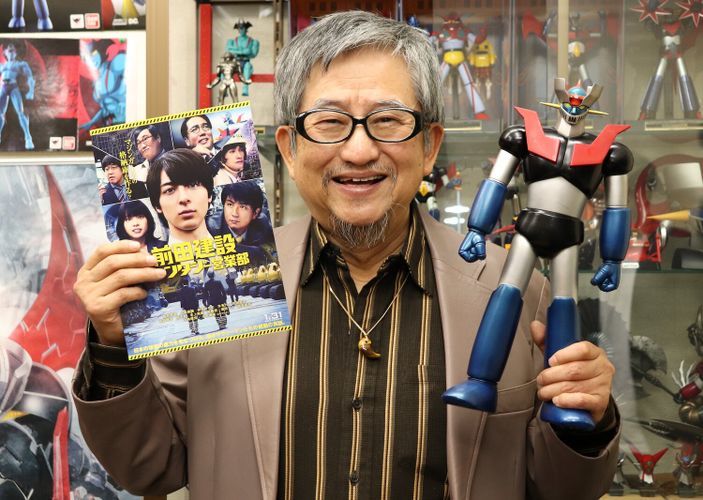
Not only did Go Nagai possess a rapid drawing hand, capable of producing over 400 pages a month, but his ideas were also astonishingly prolific. Even before "Mazinger Z," he had already created works like "Devilman" and "Harenchi Gakuen" (Shameless School), which swung wildly between extreme violence and extreme eroticism. For parent associations dedicated to protecting the innocent minds of children, Go Nagai was their most reviled name—who else would brazenly draw female nudity in a shonen manga magazine? That "terrible" Go Nagai. He also sparked a "skirt-flipping" trend among elementary school students, making him arguably the most troublesome mangaka for parents in the 1960s... bar none.
Go Nagai Image credit:Movie Walker
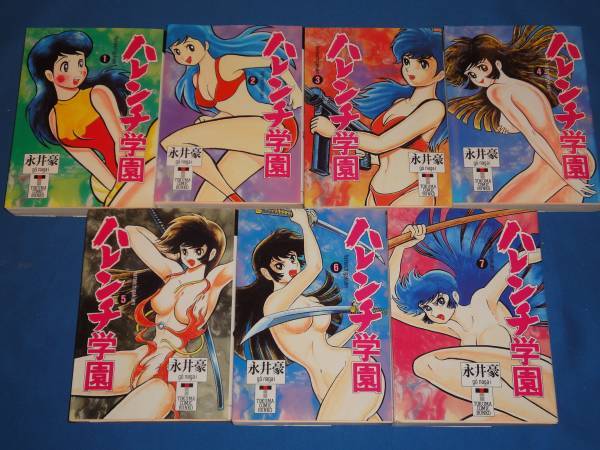
These manga often featured a wealth of grotesque imagery. While the style might start as humorous comedy or monster-slaying adventure, the mid-to-late sections frequently shifted to more serious interpersonal issues. Betrayal, degradation, conformism, alienation... these are sensitive topics that even modern shonen manga series might hesitate to touch. Yet, Go Nagai threw them directly at children, alongside skirt-flipping, nudity, and exploding heads. Honestly, it's hard to say which was more shocking: seeing female characters in "Harenchi Gakuen" with their bare lower halves exposed, or witnessing the unprecedented cruelty of teachers brutally beating students in the work. In any case, Go Nagai, in various ways, left an indelible mark on the psyches of children from that era.
Go Nagai's "Harenchi Gakuen" Image credit:オークファン
Go Nagai's Robot Dream: From Copycat to Creator
When the groundbreaking Go Nagai decided to tackle the orthodox genre of shonen manga—the "robot type"—he was naturally determined to create something entirely new. But would Nagai, who was already pushing the limits of parental tolerance across the nation, truly "reform" and return to such a traditional genre?
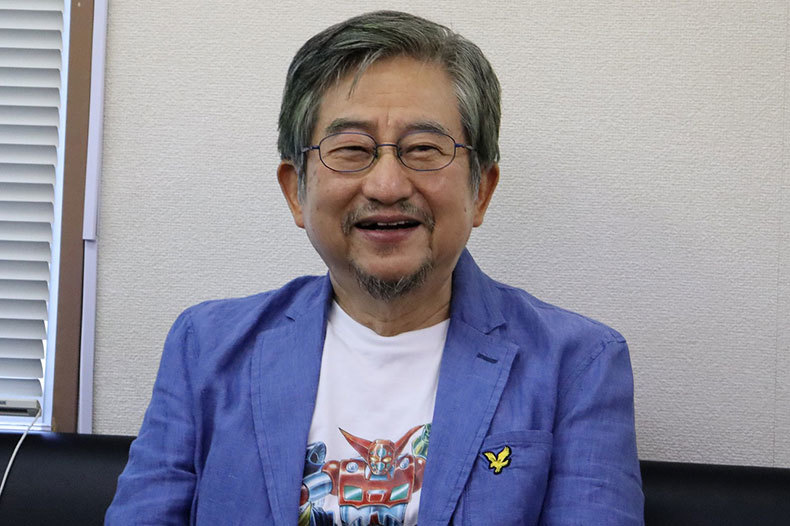
"Actually, drawing orthodox robot manga had always been my dream. I always felt that I had to draw a robot manga at some point. Because I always loved 'Astro Boy' and 'Tetsujin 28-go,' I kept thinking that someday I had to find my own robot... But I just couldn't come up with a good idea, so I just started copying other robot manga. This was truly disrespectful to the great seniors in the manga industry, and since I was a fan, I especially didn't want these masters to find out and get angry. I kept thinking... someday I'll come up with a completely new idea..." Go Nagai stated.
Go Nagai Image credit:ゲッターロボ アーク
Then one day, thanks to a traffic jam, he found Mazinger Z.
Traffic Jam Sparks Genius: The Birth of Mazinger Z
Stuck in a busy intersection, Nagai watched the green light turn on above him, but the cross-traffic had completely jammed the intersection, preventing any movement. Even he, who should have been able to go straight, couldn't move forward. He saw the road ahead was clear once he got past the single car blocking it; if only he could just step over it to escape the jam... "What if cars could grow legs and step over this car?" Nagai thought, and in that moment, he realized he had found his unique idea.
Mazinger Z Image credit:discogs
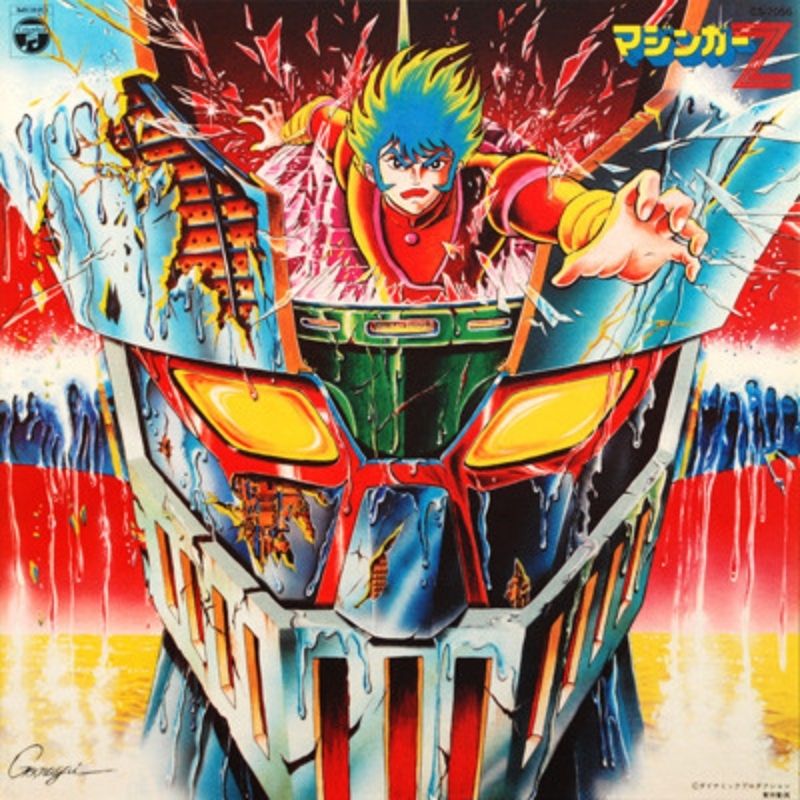
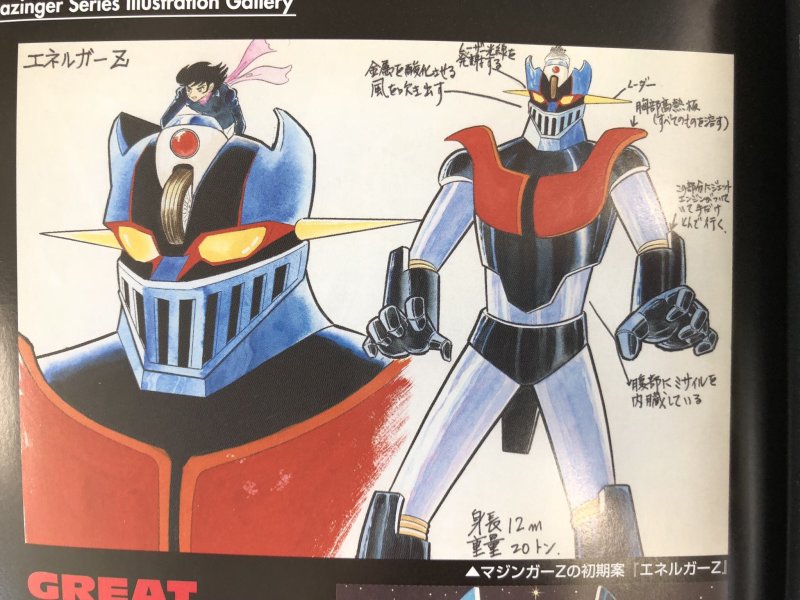
"This way, it wouldn't clash with Astro Boy or Tetsujin! This is it! As soon as I thought of this, I rushed back to my studio and started sketching." And so, the "car with legs" transformed into the unprecedented "piloted robot" Mazinger Z. It was a vehicle that could be freely controlled by its pilot, a tool that could help its pilot overcome all difficulties. This "car," which was neither Astro Boy nor Tetsujin 28-go, became the motorcycle Koji Kabuto rode... soaring to Mazinger Z's head, becoming its cockpit.
The earliest concept was "the protagonist's motorcycle flies to the head, combines with the robot, and controls it." Image credit:Twitter
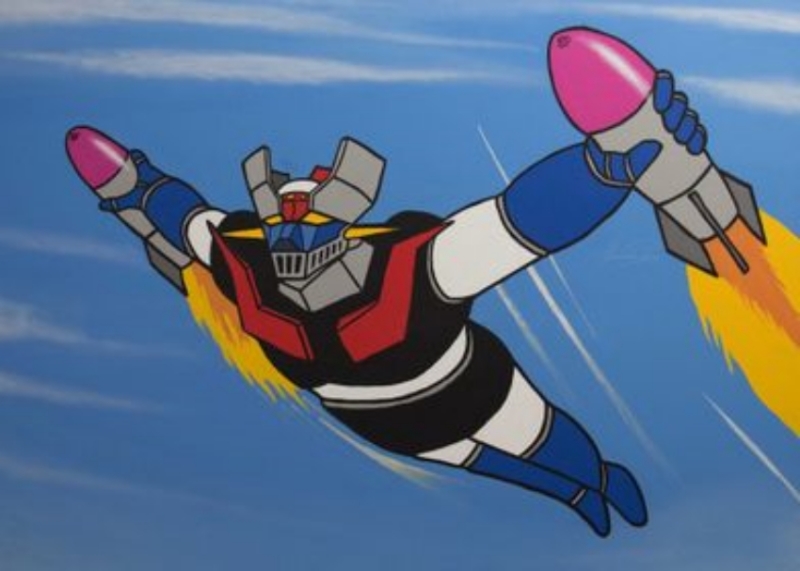
No Jet Scrander? No problem! Image credit:Displate
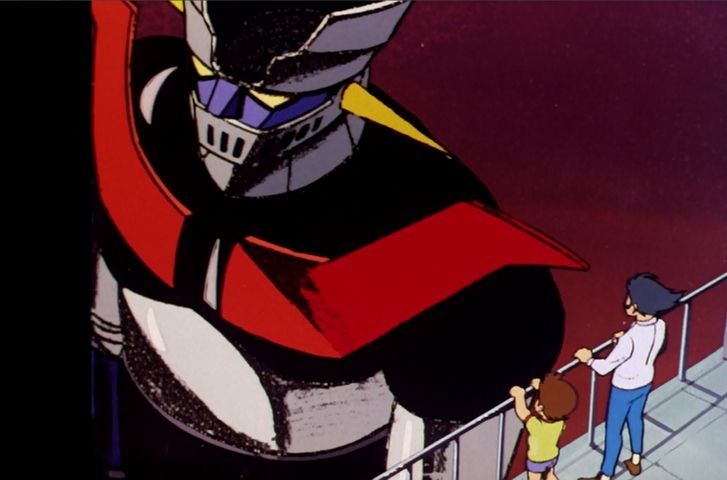
Mazinger Z: How It Revolutionized Mecha Combination Forever
The concept of "motorcycle + robot = giant robot" was truly groundbreaking. It not only redefined the very idea of a robot but also innovated the concept of "combination." This marked the first perfect fusion of human and machine, where the human became the robot's "brain" and the robot became the human's "limbs." This new, combined entity was far more powerful than either human or robot alone. From that point on, robots were no longer just "friends" for boys and girls; they became tools for young people to achieve their "perfect adult" selves. For vulnerable children, Mazinger Z was a magical presence that accelerated their journey to maturity—offering boys their own "magic wand," much like the "magical girl" concept that had emerged a decade earlier.
Mazinger Z Image credit:マジン・ゴー!な日々
The initial motorcycle idea was later revised. The 1970s were dominated by "Kamen Rider," making motorcycles synonymous with the Riders themselves. "Mazinger Z" subsequently changed the motorcycle into the "Pilder"—yet, you can still observe the Pilder's large glass canopy. One might wonder why it didn't feature more airtight armor for pilot protection; this design choice, to some extent, retained the "open feel" of a motorcycle. While "Kamen Rider" also utilized a man-vehicle combination concept, Mazinger Z's approach to combination was far more profound. Essentially, Koji, without Mazinger's metallic body, would be unable to "slaughter all the monsters and earn everyone's praise."
Mazinger Z is nothing without Koji at the helm Image credit:GYAO!
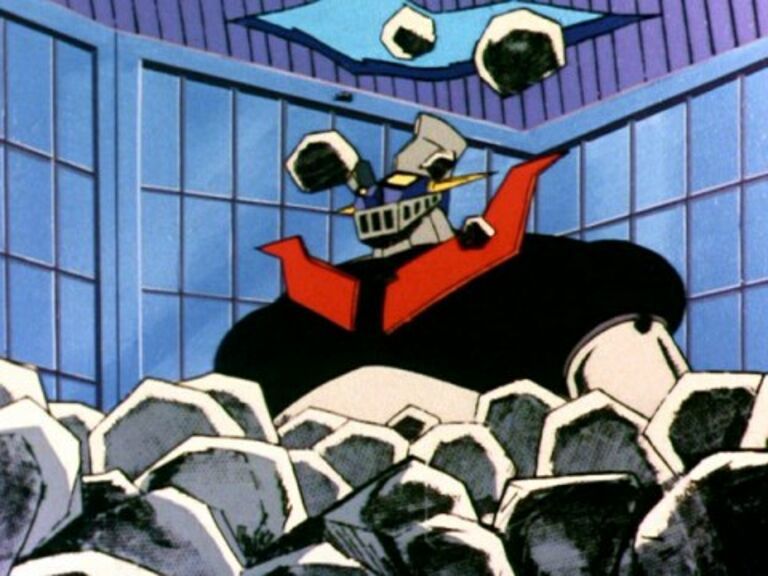
The enduring greatness of "Mazinger Z" is immeasurable. It stands as not only the first anime to feature human-piloted giant robots and the first to introduce an innovative combination concept, but it also profoundly influenced subsequent piloted robot anime like "Gundam" and played a crucial role in Japanese animation's expansion into the global market. Next year marks the 50th anniversary of the "Mazinger Z" TV anime, and we all owe a deep tribute to this historic black iron fortress that forged a new path.