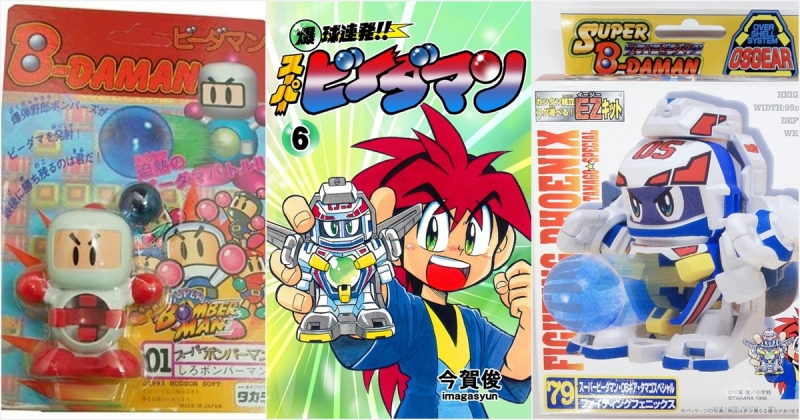
Recently, the 'Cap Revolution Bottleman' toy series launched by TAKARA TOMY has garnered significant discussion. The gameplay for this product is quite simple: just insert a bottle cap into the figure's abdomen, press the trigger on its back, and you can aim at your target and shoot the cap. This gameplay should be very familiar to those who grew up in the 80s and 90s; it essentially inherits the super popular toy "B-Daman" that swept through our childhood, except back then we were launching individual marbles, each about 17 millimeters in diameter.
Each marble carried the innocence and passion of childhood fun. In battles, targets were knocked down, but friendships grew stronger. After all these years, do you still remember those wonderful times? This time, we're taking you back to revisit the past and present of 'Bottleman'! But by the way, did you know that while you were customizing your B-Daman, Bomberman was piloting a giant combining robot?
The latest Bottleman anime, "Cap Revolution Bottleman DX," is set to premiere this April. Image credit:【公式】キャップ革命 ボトルマンDX

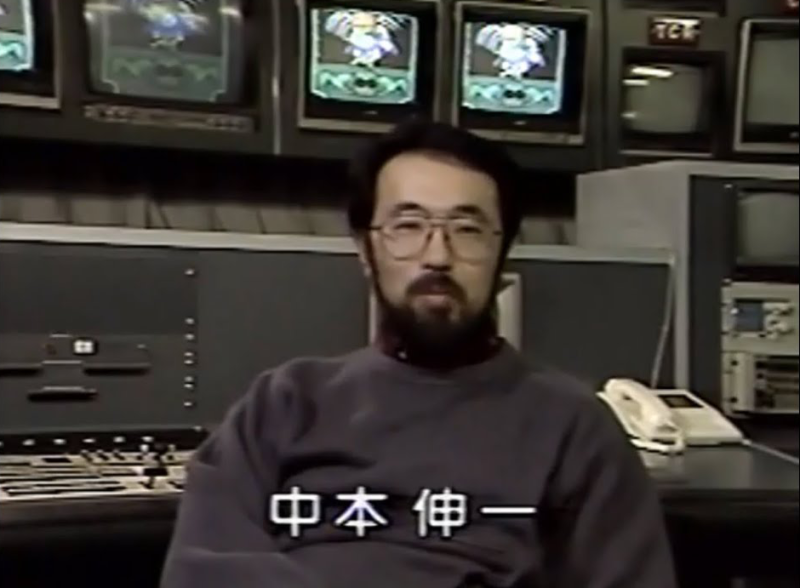
Tracing the Origins of B-Daman: BombermanWhy the sudden shift to mention Bomberman (also translated as "Bomb Man," Japanese: ボンバーマン)? Because these characters, who can endlessly generate bombs and blow up enemies (and themselves), are strictly speaking, Bottleman's grandfather. In 1985, led by Shinichi Nakamoto, Japanese game developer Hudson Soft launched the first "Bomberman" on the then-new Nintendo Famicom (Family Computer) console. Players controlled a robot that produced bombs in an underground kingdom, needing to place bombs in a maze to destroy enemies and walls while searching for an exit to escape the underground and realize its dream of becoming human.
Video game producer Mr. Shinichi Nakamoto. Image credit:Youtube
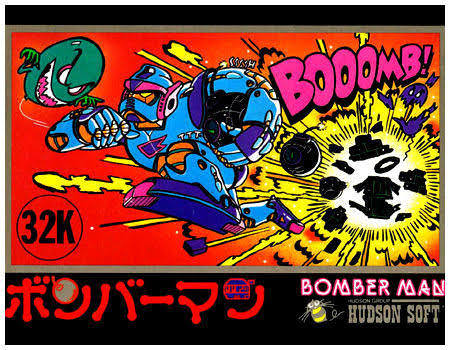
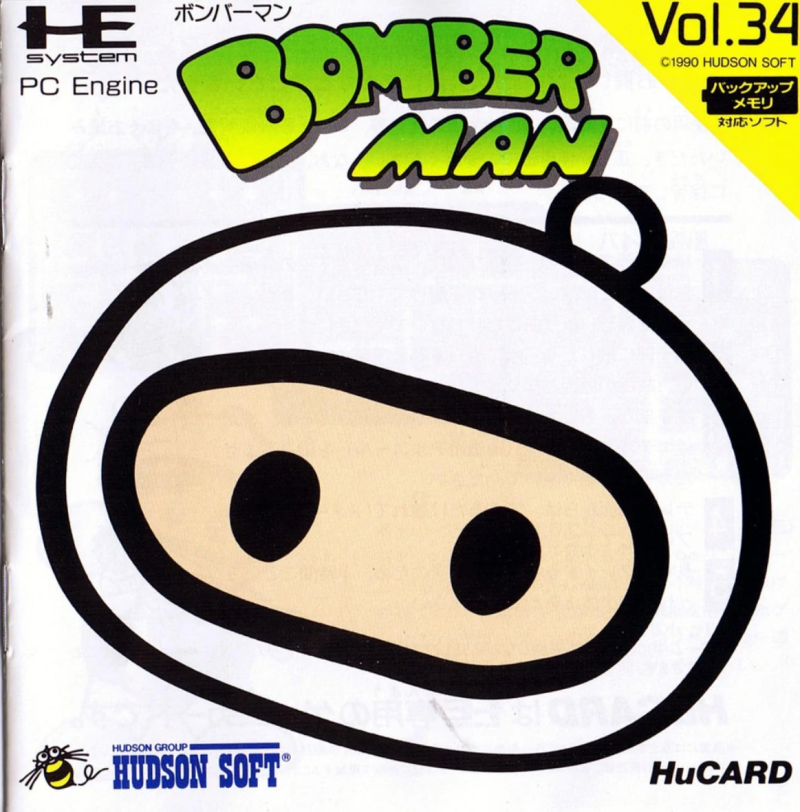
As more powerful game consoles emerged, Hudson Soft also released a brand new "Bomberman" in 1990 on the PC Engine console. In addition to improved graphics, this version established Bomberman's current cute, cartoon-style image and introduced an exciting 5-player simultaneous battle system.
The game cover of the FC version of Bomberman; its appearance is completely different from today's. Image credit:Twitter
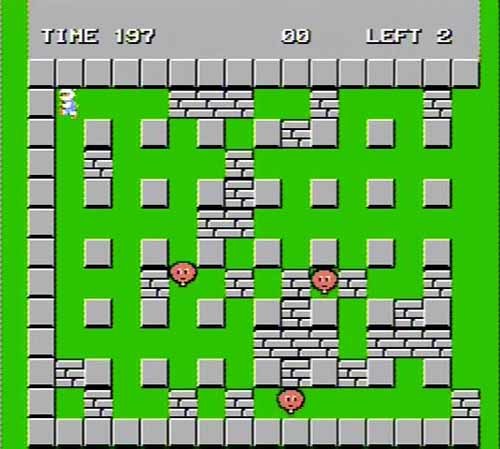
Gameplay screenshot of the FC version of Bomberman. Have you played it? Image credit:レトロゲームで遊ぼう!
The game cover of the PC Engine version of Bomberman; its cute image had already taken shape. Image credit:fandom
Classic Games Reborn as Popular ToysHowever, despite all that, none of the above is the main focus of this article. In 1993, with the release of the latest game "Super Bomberman" on the Super Famicom, a series of "Super Bomberman" toys was also launched in collaboration with the toy manufacturer TAKARA. But upon closer inspection, the original Bomberman character only wore a belt. Why did these Bomberman toys have a hole in their stomach with a marble inserted? It turns out this was due to a suggestion from Shigeki Fujiwara, a key developer of the Bomberman game at the time: "If it's just a simple character toy, it's not very interesting. Why not incorporate some classic games using current technology?" Thus, the gameplay of figures launching marbles was born.
TAKARA's earliest Super Bomberman toy, with only the main body and a marble. Image credit:Amazon
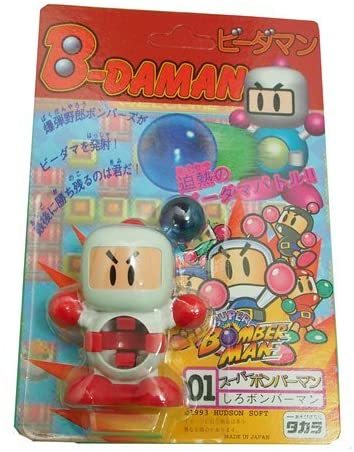
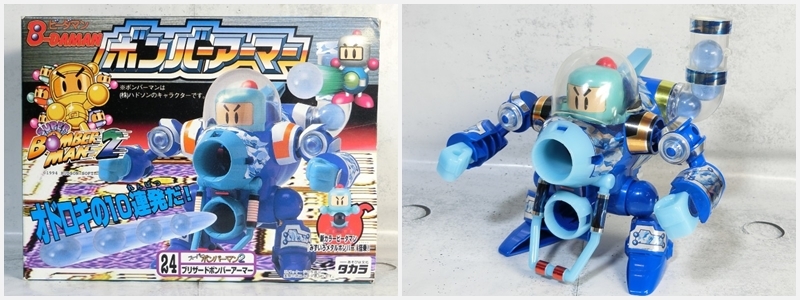
The gameplay of the initial products was quite rudimentary, leaning towards collecting various colors of two-headed Bomberman characters, with only one marble that could be weakly shot from the abdomen. Later, with the release of sequels like "Bomberman '94" and "Super Bomberman 2," armor for Bomberman, reinforced barrels, and even large battle suits with rapid-fire capabilities were successively introduced, gradually forming the prototype of B-Daman.
Later, large battle suits for Bomberman to ride in were introduced, capable of rapid-firing marbles. Image credit:コスモスペース
Soon after, in 1995, TAKARA's "Super Bomberman" toys developed new products simultaneously in two directions. One was "Bomberman Bakugaiden," which emphasized storytelling. This series continued with many Bomberman characters, developing a completely new story background and a classic hero manga-like plot, where Bomberman's companions piloted giant robots called "B-Daman" to stop villains attempting to conquer the world.
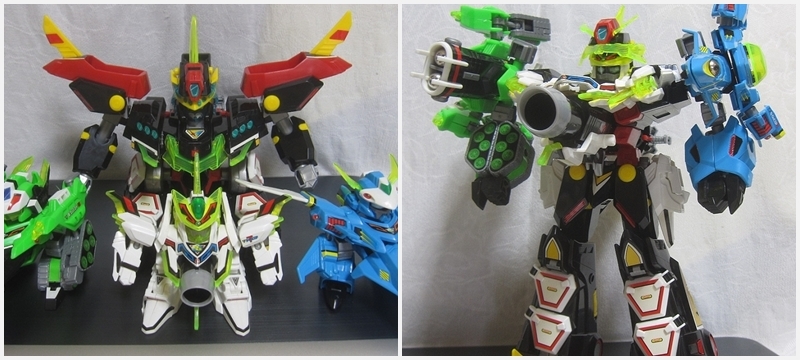
Although the toys still had a marble in their stomach, and the robots could fire marbles or BB pellets, this series placed more emphasis on Bomberman donning cool armor and riding transforming robots. In the final "Bomberman Bakugaiden V," multiple robots could even combine into a giant robot, fully utilizing TAKARA's technical prowess developed from "Transformers" and "Diaclone" robot toys! "Bomberman Bakugaiden" continued to develop until 1999, releasing five generations of products, and was also adapted into two animated works. Have you ever played or watched it?
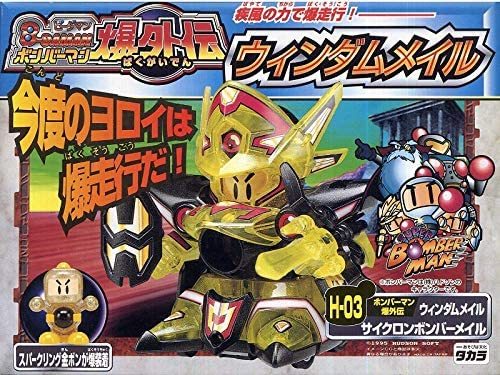
Bomberman Bakugaiden.
One of the important elements of the Bakugaiden series: "Armor." Image credit:Amazon
And another important element: transformable and combinable "robots." Image credit:green_flour
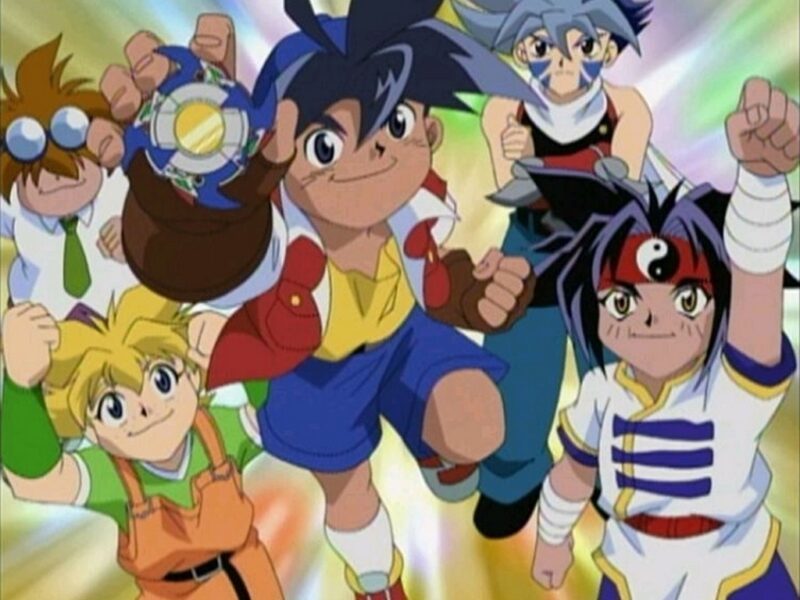
Born from the Competitive Toy Wave: The Japan-Sensation "B-Daman"The other route was the "B-Daman" (Super B-Daman) series, which we are quite familiar with. This series almost completely broke away from the Bomberman background to become its own entity, adopting entirely new story designs and characters, while retaining and enhancing the competitive aspect of marble-shooting gameplay. Unlike the robot setting in Bomberman, this work was influenced by the competitive toy craze in Japan at the time, such as mini 4WD cars. In the story, B-Daman were competitive toys popular throughout Japan. Following the "Bakusou Kyoudai Let's & Go!!" model, manga artist Toshi Imaga was invited to serialize the toy promotional manga "Bakkyuu Renpatsu!! B-Daman," which was then adapted into an anime in 1999.
"Bakkyuu Renpatsu!! B-Daman" Image credit:メルカリ
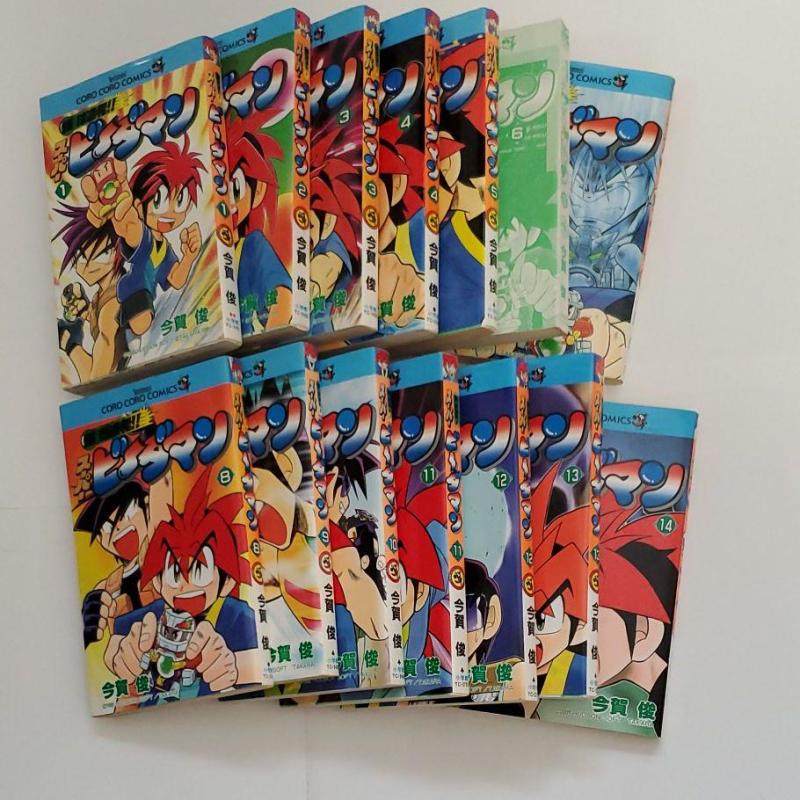
The innocent and naive fifth-grader protagonist, Tamago Tosaka, though small in stature, possesses astonishing strength. The marbles fired from his beloved Phoenix series machine are powerful enough to shatter opponents' marbles, almost to a lethal degree. He befriended Maruma Nishibe, a good partner known as the "Kansai Rapid-Fire King" for his skill in continuous firing with his Dragon series machine. After the two teamed up to defeat Sala, the son of an oil magnate, and gave him a "lesson in love," they officially formed a team.
Their skills continuously grew, and their machines were constantly upgraded. Together, they advanced to the finals of the B-Daman National Tournament. Ultimately, they faced the cunning and formidable opponent, Yasumasa Ijuin, who would stop at nothing to win, even firing marbles at people. They successfully defeated their opponent and claimed the championship title. This was the classic, passionate storyline popular in competitive toys of that era.
In the late 90s, Mini 4WD, B-Daman, Hyper Yo-Yo, Beyblade, and other competitive toys were all incredibly popular. How many of them did you play? Image credit:遅いインターネット、StringFixer、Amebaマンガ
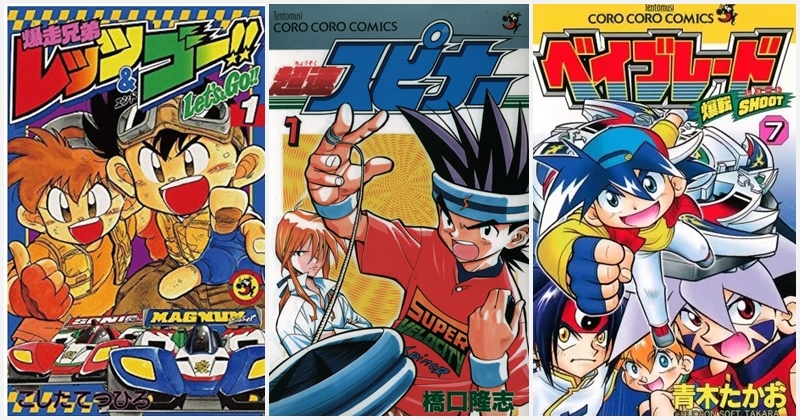
Image credit:ゾイド総合ランド
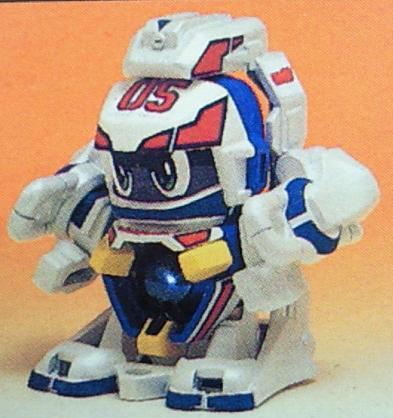
Turning back to the toys themselves, the first generation B-Daman, "Super B-Daman," was based on a two-head-tall body for customization. Each year, various enhancement parts with new themes were released, allowing players to customize their B-Daman. Starting in 1996, there were successive releases of exoskeleton-like "OS Armor," the new "PI B-Daman" body with more complex mechanisms, "PI-EX B-Daman" which improved PI's lack of interchangeability, the beginner-friendly completed product "R B-Daman," and in the later stages of the series, the "E-Unit series components" which connected PI-EX and R for interchangeability but were unfortunately cut short.
The protagonist's B-Daman, "Phoenix," equipped with OS Armor. Image credit:競技玩具研究所
A 1998 TV commercial for B-Daman toys. Image credit:Youtube
Among these, the OS to PI era can be considered the golden age of B-Daman. Players could replace parts such as grips, barrels, magazines, and launchers according to their preferences, making their B-Daman's marbles more powerful, more accurate, or capable of rapid-firing multiple marbles like a machine gun. The rich gameplay combined with the strong promotional effects of anime and manga at the time led to the B-Daman craze spreading across East Asia and many countries in Europe and America. Both official and private organizations in Japan held various large and small tournaments. It's truly amazing that such an ancient toy as marbles, from the last century, could be revived in this form!
Various scales of competitions could be seen everywhere across Japan.
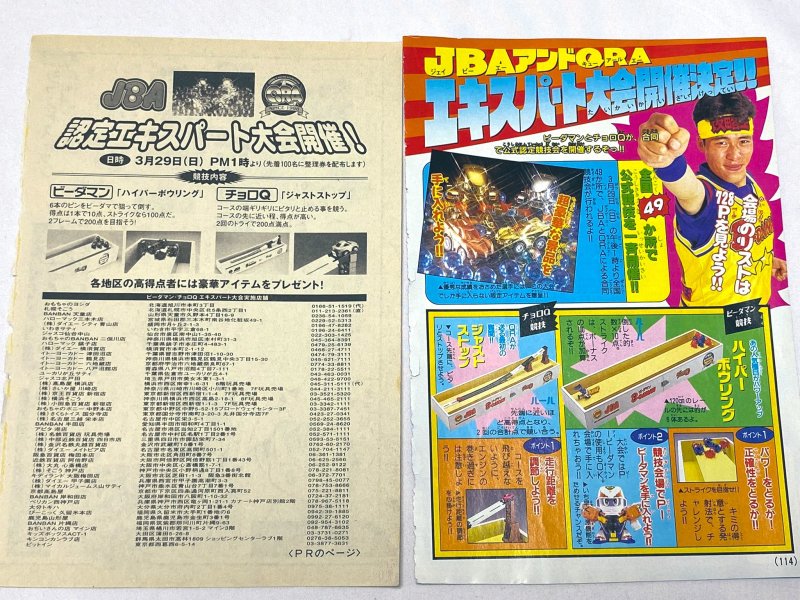
In late March 1998, the first officially recognized B-Daman & Choro-Q tournament simultaneously kicked off at 49 locations across Japan. The accompanying image shows the tournament promotion published in "CoroCoro Comic" at the time. Image credit:Twitter
A Japanese netizen shared on Twitter the trophies and prizes he won from participating in multiple tournaments.
20年近く封印していたレアなビーダマンを少しずつ投稿しています!
スレッドはこちら↓#レアビーダマン #ビーダマン pic.twitter.com/1ONYmuGPGF— クマシエル 元トップビーダー (@kumaciel2020) September 16, 2020
To continue the craze of the first generation, TAKARA officially announced the second generation B-Daman, "Battle B-Daman," in 2001. However, the competition method was no longer shooting at targets, but rather the DHB battle system, where players directly shot at each other! By shooting the opponent B-Daman's scoreboard, one could score points and disable the opponent's shooting function. With such a direct confrontation, wasn't there a risk of incidents?
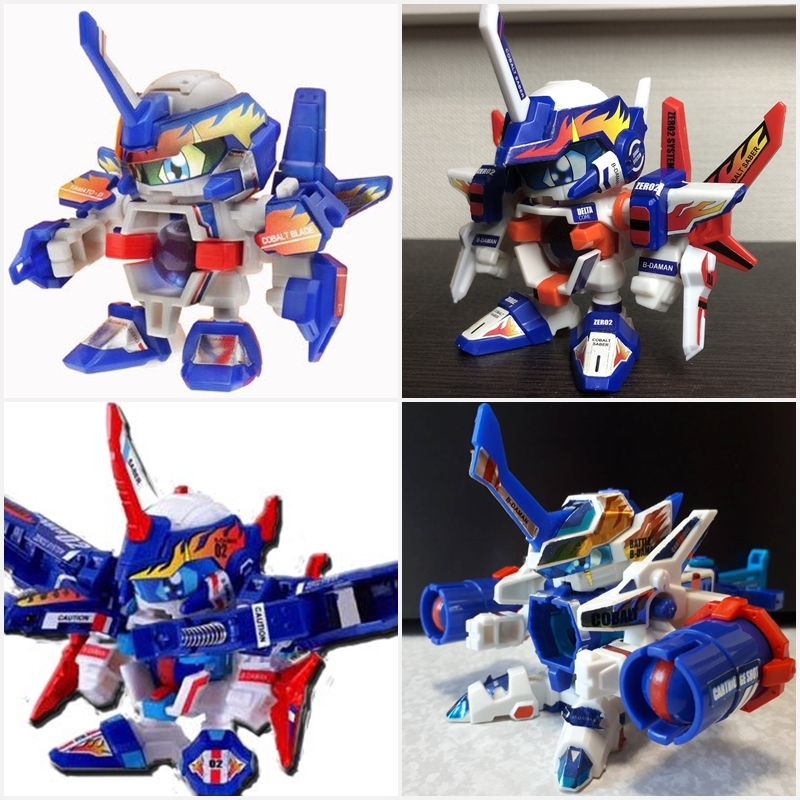
The incredibly popular protagonist machines of Battle B-Daman: Cobalt Blade → Chrome Raven → Cobalt Saber → Chrome Zephyr Image credit:Twitter、Twitter、Twitter、オークフリー
Fortunately, the official launch did not include modification parts to enhance power, nor did it endorse self-modified power enhancements. Competition rules included basic prohibitions against shooting at people, along with stricter regulations on shooting angles, directions, and modification limits, all to ensure fair play.
While the DHB Battle System successfully garnered attention and once again created a B-Daman craze, perhaps due to the inherent risks of this play style, and with various non-DHB competitive methods appearing in anime and manga, TAKARA's "Zero Series," released in 2003, suddenly reverted to the two-head-tall body proportion. It offered more freedom and a richer variety of interchangeable modification parts, seemingly returning to the original series' roots.
Image credit:駿河屋
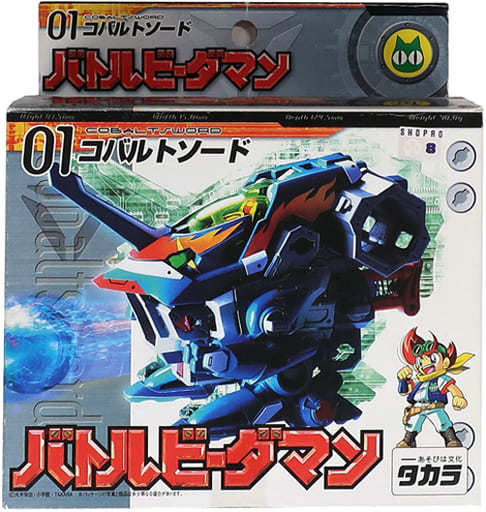
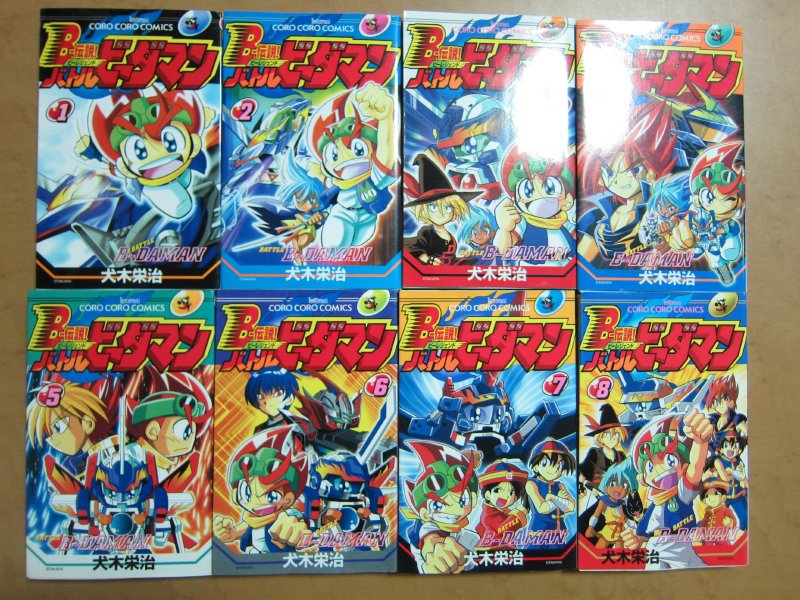
Concurrently with the release of Battle B-Daman products, manga artist Eiji Inuki serialized the manga "B-Legend! Battle B-Daman," which was adapted into a TV anime between 2004 and 2005. Image credit:Amazon
The Decline of B-Daman and the Unmentionable Dark History: Metal B-DamanTowards the end of the "Battle B-Daman" series, Japanese competitive toys entered a prolonged ice age with the rise of portable gaming consoles and card games. Having an NDS to play Pokémon or Animal Crossing became a popular trend, and physical competitive toys were no longer the mainstream choice. The B-Daman series was similarly hit hard.
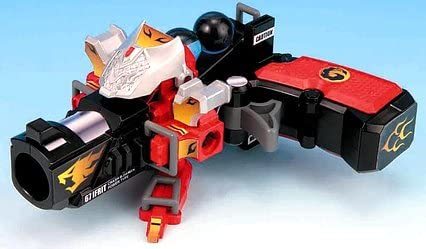
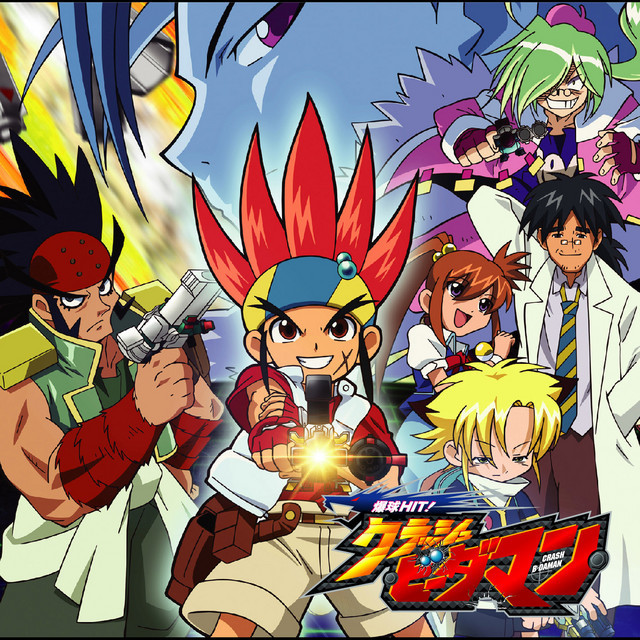
The new series "Crash B-Daman," launched in 2005, featured a new pistol-like design and adopted an indirect battle mode where players shot at an opponent's "Burst Tower." Victory was achieved by knocking down the base and causing the marble at the top of the tower to fall, with even luxurious large arenas available. Despite its innovative competitive gameplay, the series lasted only two years before concluding. The "Metal B-Daman" series, released in 2007, was an even greater disaster, often referred to as a dark history.
The protagonist Hitto Tamaga's B-Daman, "Blazing Dragon." Image credit:Amazon
The anime adaptation "Bakkyuu Hit! Crash B-Daman" premiered in January 2006. Image credit:spotify
If one were to describe this series, "heresy" would be the only fitting word. Shortly after the merger of TAKARA and TOMY, the entirely new "Metal B-Daman" was announced. The most significant feature of this series was the change from marbles to smaller metal balls as projectiles. When shot at plate-shaped targets containing magnets, the balls would automatically adhere to the target. The machine structure was greatly simplified compared to previous works, and opinions on its design were as polarized as its distinctive magnetic feature. Would shooting metal balls to stick them to magnets truly be fun?
The market's reaction was clear: a lack of customization expandability and competitive depth were its biggest weaknesses. Furthermore, this work lacked the support of multimedia projects like manga or anime. From its release in July to its swift discontinuation in November of the same year, it survived for barely five months, becoming the shortest-lived series in B-Daman history. Even its official website was shut down, as if it were a dark history that never existed, causing B-Daman to fall silent for three long years. At the time, many believed that after such a devastating failure, TAKARA TOMY would likely never produce another B-Daman.
The 6 Metal B-Daman models that were released. Image credit:ヤフオク!
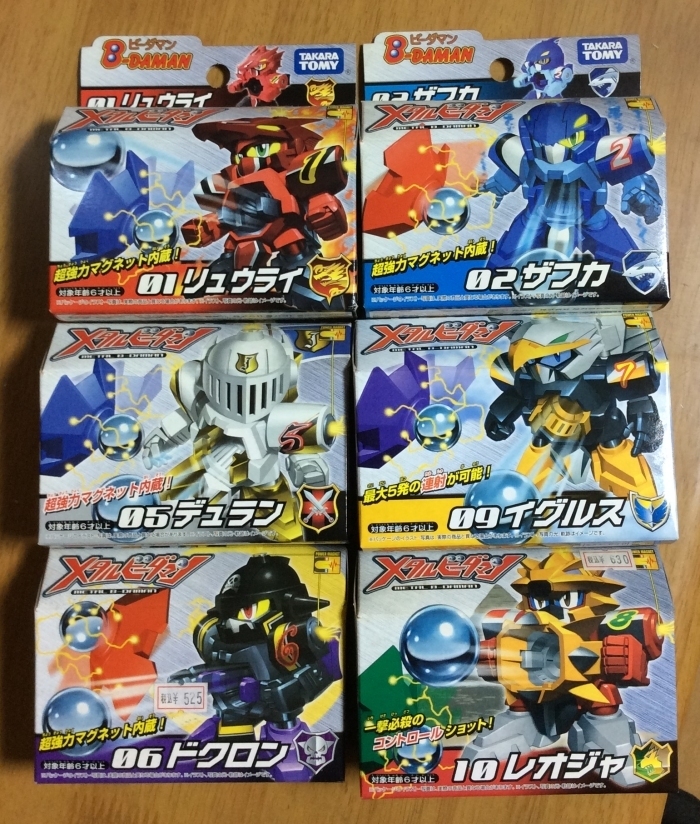
How to play with Metal B-Daman. Image credit:Youtube
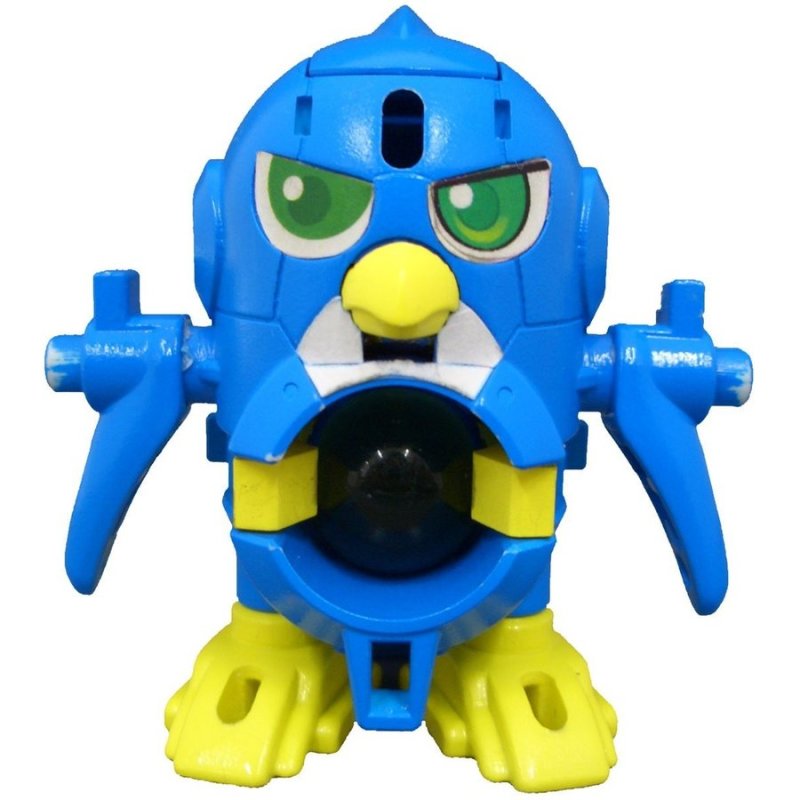
Until 2010, TAKARA TOMY made its strongest declaration yet: B-Daman was officially resurrected. They unveiled "B-Daman Crossfire," the latest installment after a three-year hiatus. To kick things off, they collaborated with Yuji Nagai, author of the popular children's manga "Penguin Problems," to release a penguin-themed B-Daman.
Building on the successful experience of Beyblade, large dedicated arcade machines were installed in major arcades. Players could connect their B-Daman to the machine to challenge games for free and earn points. Despite the strong marketing gimmick, sales were dismal. Dissatisfaction stemmed from both unsuitable character designs and a lack of variation in B-Daman performance.
The penguin-themed B-Daman from "B-Daman Crossfire," a collaboration with Yuji Nagai. Image credit:YAHOO JP SHOPPING
It wasn't until April of the following year that TAKARA TOMY decided to revert to the previous robot-style designs, releasing multiple original units and introducing a core transformation system that allowed players to choose between power, rapid-fire, and precision performance. This move somewhat salvaged the series. Together with the later "Emblem Charge" series, over 80 products were released. However, due to rising production costs and increasingly strict toy regulations regarding marbles in various countries, including Japan, the series quietly exited the market, drawing a close to the B-Daman line in August 2013. According to official data, as of 2010, the "B-Daman" series had been released in approximately 30 countries across Asia, North America, and Europe, with total sales reaching 80 million units.
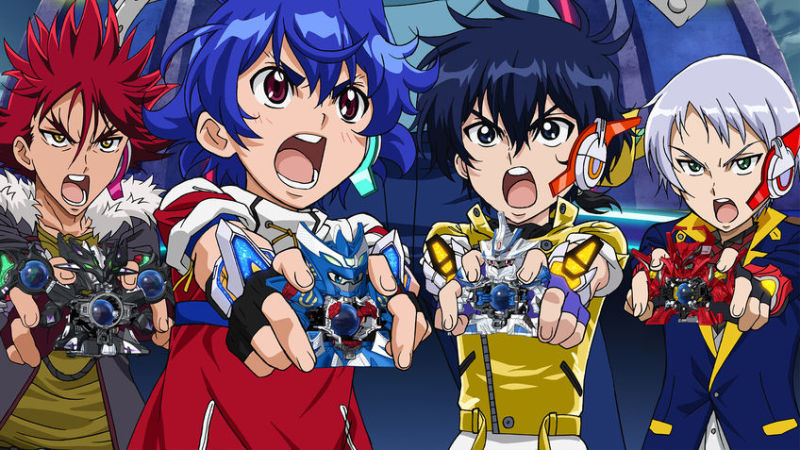
The anime series "B-Daman eS" premiered in October 2012. Image credit:GoNintendo
The Legacy of Core Gameplay: The Birth of a New Generation 'Bottleman'Just as the B-Daman series was gradually fading from public memory, TAKARA TOMY suddenly released a mysterious image in 2020 that resembled B-Daman, sparking heated discussions on Japanese Twitter. "Is it going to be resurrected again?" This question arose in the hearts of those who grew up playing B-Daman, simultaneously hoping to relive childhood memories and fearing a repeat of past disappointments.
A few days later, the eagerly anticipated answer was finally revealed: while B-Daman did not return as expected, a brand new series inheriting the spirit of B-Daman, "Bot-Shots," officially debuted, launching both toys and an anime to promote them. Although the marble-shooting format couldn't be released due to regulations, was shooting bottle caps really okay? It seems those worries were unfounded, as the immense buzz led to Bot-Shots selling out everywhere in its first week!
The mysterious teaser initially released by TAKARA TOMY. Image credit:TAKARA TOMY
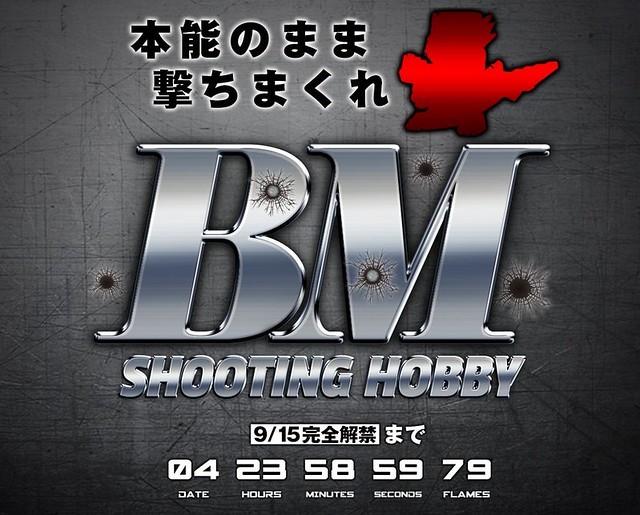
The official announcement video for Bottleman. Image credit:YOUTUBE
The first generation of "Bot-Shots" featured designs based on various beverages, aiming to allow even younger children to experience exhilarating shooting. Unlike previous B-Daman series, it didn't offer a plethora of customization parts. Instead, each Bot-Shot was simply designed with its own unique ability, such as the power-type Colamaru or the rapid-fire type Aquasports, making them easy to pick up and play.
Plastic bottle caps, used as projectiles, are also safer than marbles. Almost any readily available beverage cap can be used as ammunition, and their lighter weight offers superior flight speed and accuracy compared to marbles. In terms of gameplay, besides competing by shooting targets like most previous B-Daman series, Bot-Shots can also link with the Nintendo Switch to play exclusive games. Using a dedicated kit, players can shoot their Bot-Shots at the Switch console to play. However, the drawback of Bot-Shots is also quite apparent: a lack of customization variety.
When linked with the SWITCH, a rich variety of game modes become available. Image credit:YOUTUBE
TAKARA TOMY seemed well aware of what players were anticipating next, and in April of this year, they launched a familiar strategy: a completely revamped "Bot-Shots DX" featuring a bare-bones structure and a newly designed customization system called "DrinkCross system."
The protagonist's machine, Colamaru DX, uses a "Power Core Bottle" as its core, while the remaining parts form the "Phoenix Beast Armor," designed with constellations in mind. By combining the core and armor, the Bot-Shot body is completed, allowing for free disassembly and swapping of various parts such as the head, arms, legs, and trigger. This, of course, significantly enhances the interchangeability of parts across different units, leading to greater variation in machine appearance and performance. The indispensable toy promotional anime also continues the story from the previous Bot-Shots series, with protagonist Kouta Kouga and others growing to 12 years old, once again picking up their enhanced new Bot-Shots DX for battle.
This DX revamp also simultaneously launched the "Bottleman Phoenix DX" as a 25th-anniversary commemorative product for Battle Phoenix. Image credit:TAKARA TOMY
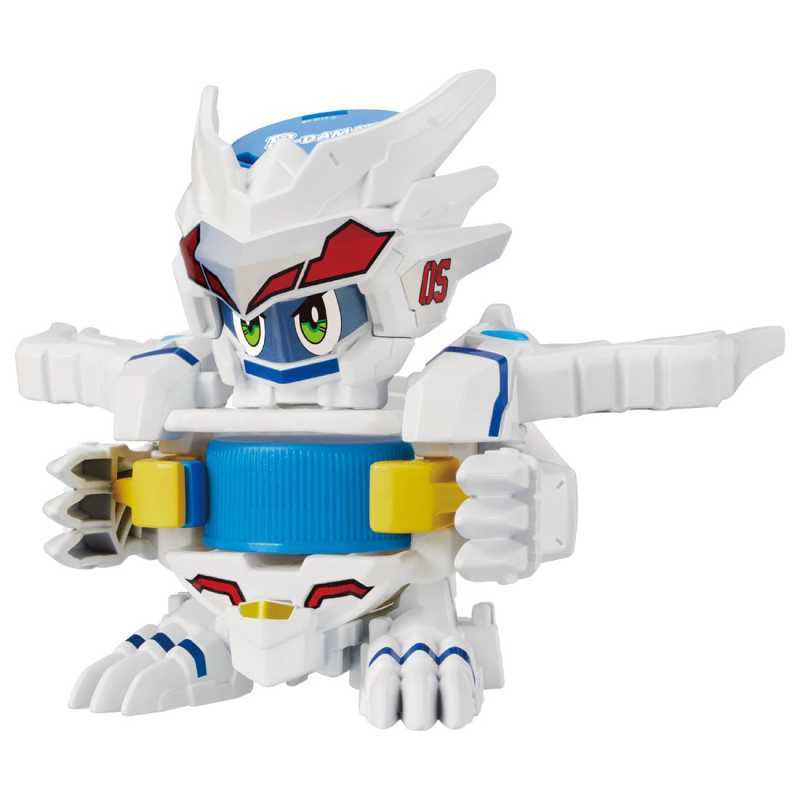
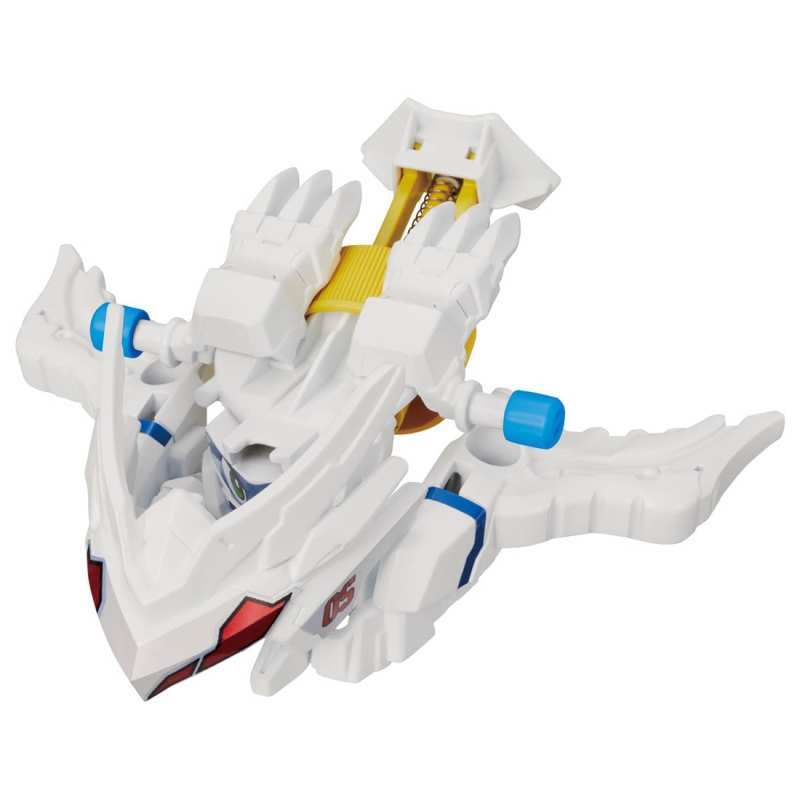
While it's impossible to predict if the newly revamped "B-Daman DX" can reclaim its former glory, selling 600,000 units last year is a commendable achievement in an era where even children play games on smartphones. If you truly miss the heyday of competitive toys, why not pick up a Bottleman and give it a shot? You might just rediscover that long-lost innocence and passion!
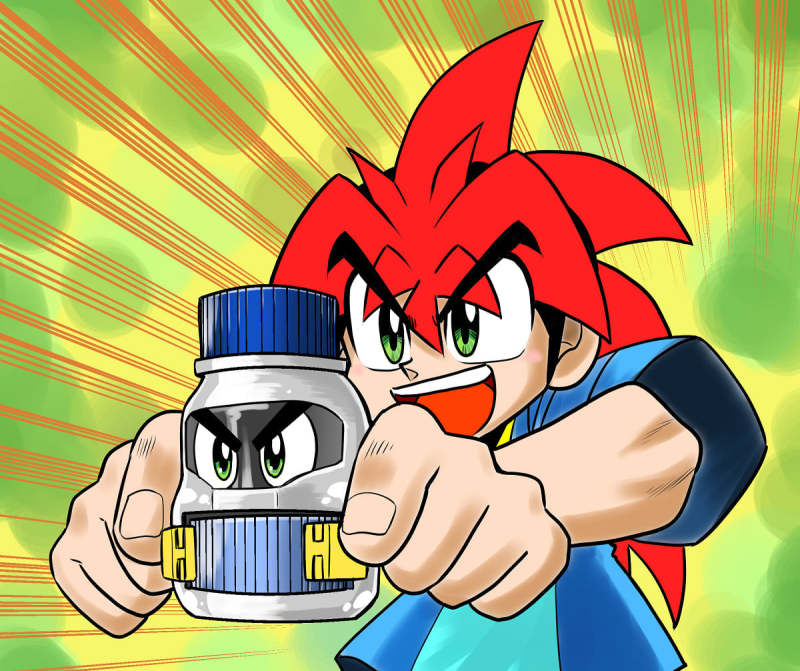
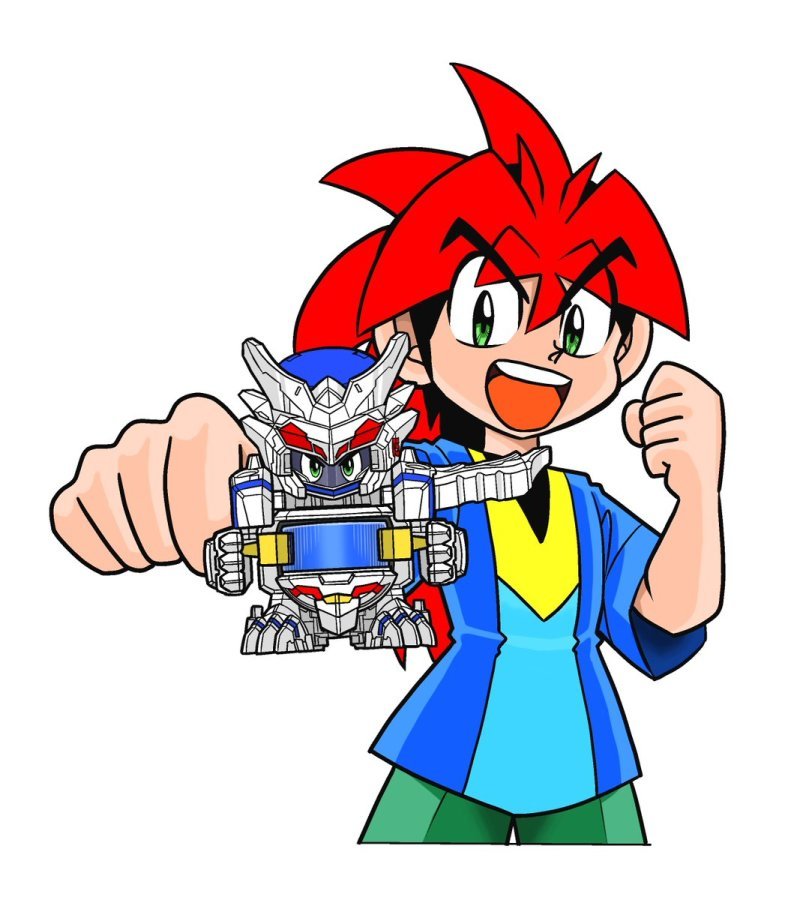
Toshihiko Imaga, author of "Explosive Shooter! B-Daman," drew an illustration celebrating Bottleman's release. The protagonist, Tamago Tosaka, is depicted holding a Bottleman concept machine instead of a B-Daman, conveying a strong sense of generational transition. Image credit:Twitter