
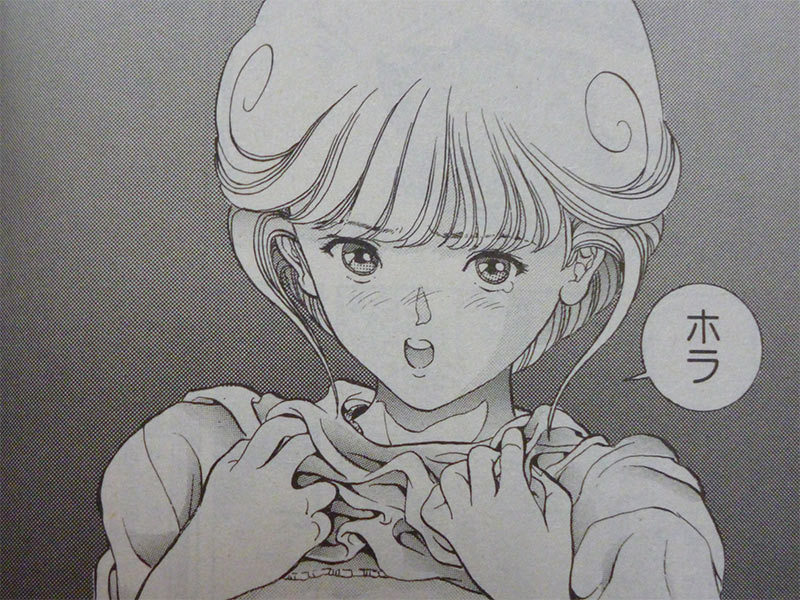
A mysterious notebook falls from the sky, and a boy writes his dream of saving the world in it... he becomes a new hero with powerful abilities... No, I'm not describing the plot of the manga "Death Note." This is the opening of "Wingman," Masakazu Katsura's serialized work in "Weekly Shonen Jump" from nearly 40 years ago. Just as an ordinary boy became a hero through his drawings, Masakazu Katsura, who initially had little interest in manga, realized his dreams through it. Let's discuss the four catalysts that launched the creative journey of Masakazu Katsura, who celebrates his 60th birthday and 40th anniversary as a manga artist this year.
Masakazu Katsura Image credit:Clare zone
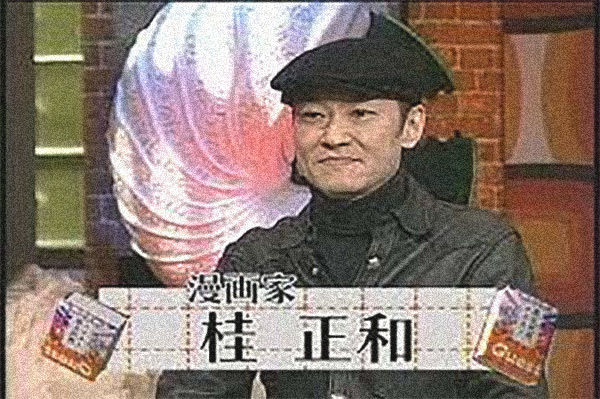
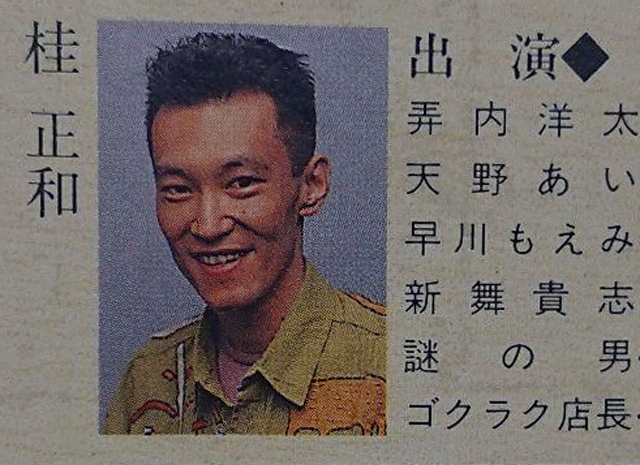
The protagonist of "Wingman," Hirono, one day on his way home from school, encounters a girl from another world and a notebook falling from the sky. He discovers that all the doodles in the notebook come true in the real world. As a fan of tokusatsu heroes, the "Wingman" design he drew in the notebook actually transforms him into a real superhero. However, this hero's journey to save the world is a bit convoluted: he always yearned to be a hero but never seriously considered what he would do after becoming one. Hirono might be a bit clumsy, but he's still better off than Masakazu Katsura, who created him: Mr. Katsura never seriously considered becoming a manga artist since childhood.
"Video Girl Ai" adapted into a live-action Japanese drama Image credit:Cinra
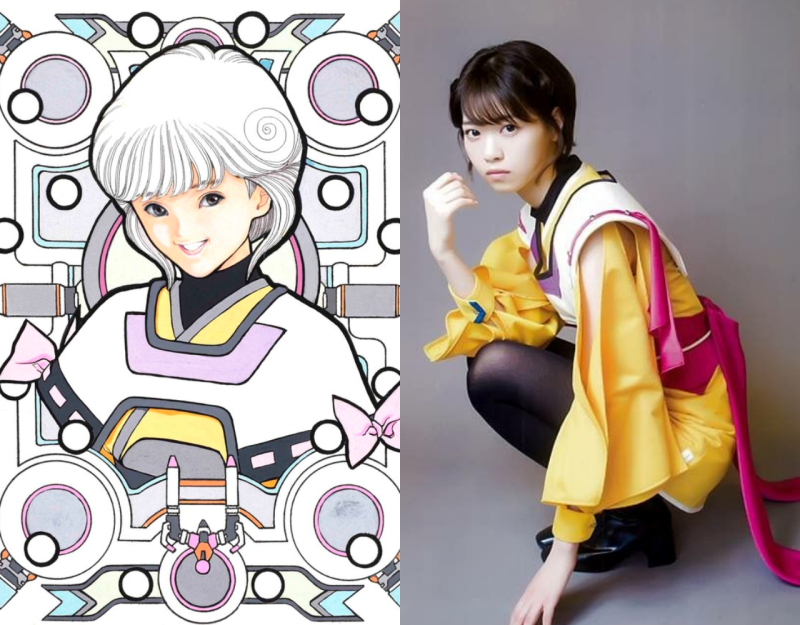
In kindergarten, Masakazu Katsura was very good at drawing. This ability, rather than being a talent that would make a child proud, was more of a small blessing that allowed him to finish his homework faster—Masakazu Katsura never had to worry about art class assignments since childhood. School landscape paintings or portrait drawings were not difficult for him. It sounds like Masakazu Katsura should have aspired to a career in art from a young age, but that wasn't the case. After all, there's a huge gap between landscape/portrait painting and manga: manga isn't just a simple sketch on paper; it needs to describe a story with a beginning and an end, a graphic narrative text like a film on paper. And did Masakazu Katsura like movies? At least as an elementary school student, he hadn't yet felt the charm of the eighth art.
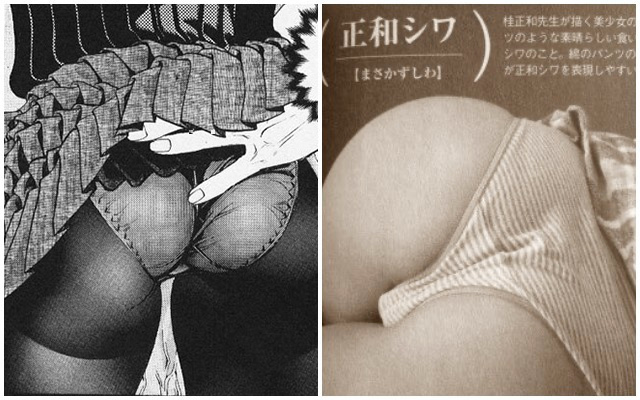
The unique way of drawing wrinkles on panties is called "Katsura Wrinkles" Image credit:Twitter
"Wingman" was Masakazu Katsura's first long-running serialized work, making Hirono, in some ways, Katsura's manga alter ego: Hirono took a long time to understand the meaning and role of becoming a hero, and so did Katsura. Besides his small talent for drawing, Katsura, like most children growing up in the 70s, was a loyal television viewer. They might not have been interested in manga, but they wouldn't miss any cartoon show on TV.
"Gatchaman" Image credit:Twitter
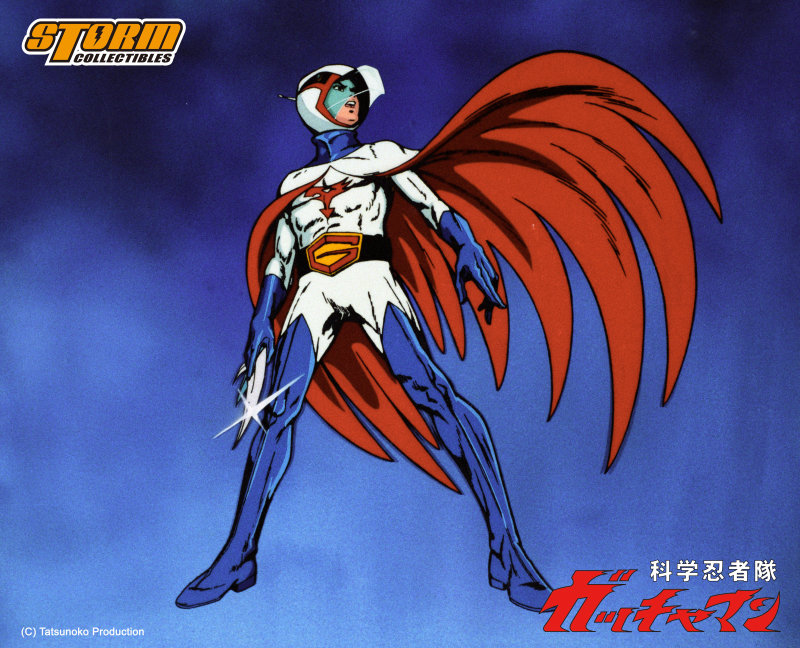
The 70s were a period of explosive growth for Japanese television animation. These "children of the 70s" would rush home every day after school to watch "Gatchaman" defeat the evil organization Galactor, the naughty "Lupin the 3rd," the black iron castle of "Mazinger Z," the endlessly pocketed "Doraemon," as well as "Getter Robo," "Space Battleship Yamato," "Yatterman," "Combattler V," "Zambot 3"... There were giant robots, master thieves, passionate sports, and the distinctly different and strange cartoon "Mobile Suit Gundam"... Among these works, Masakazu Katsura's favorites were the transforming hero cartoon "Casshan" and the then-trendy tokusatsu series like "Kamen Rider" and "Ultraman," among others.
"Kamen Rider" Image credit:Twitter
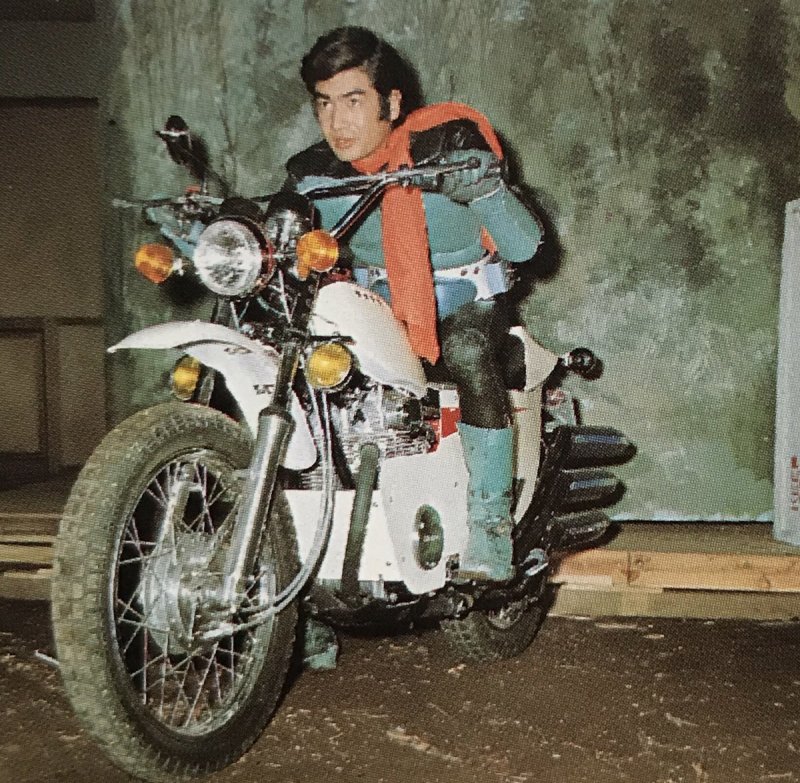
Did "Kamen Rider" and "Casshan" spark Masakazu Katsura's determination to pursue a career in manga? That answer is only 1/4 correct. The other answer is the most popular stereo system of the 70s.
A stereo system with dual speakers, cassette playback, and radio functions was one of the proofs of Japan's economic power on the global stage. Before the birth of the CD in 1982, these integrated amplifier, speaker, and cassette deck stereo systems had already become the main products for manufacturers to compete in the Japanese market (and the trend intensified after the CD's arrival). Japanese audio brands like Sansui, Pioneer, Victor, and ONKYO also saw their products sell well in global markets. Katsura, then a junior high school student, also wanted to join this global audio trend and buy a stereo system costing hundreds of thousands of Japanese Yen.
The very popular Sansui audio system at the time Image credit:Twitter
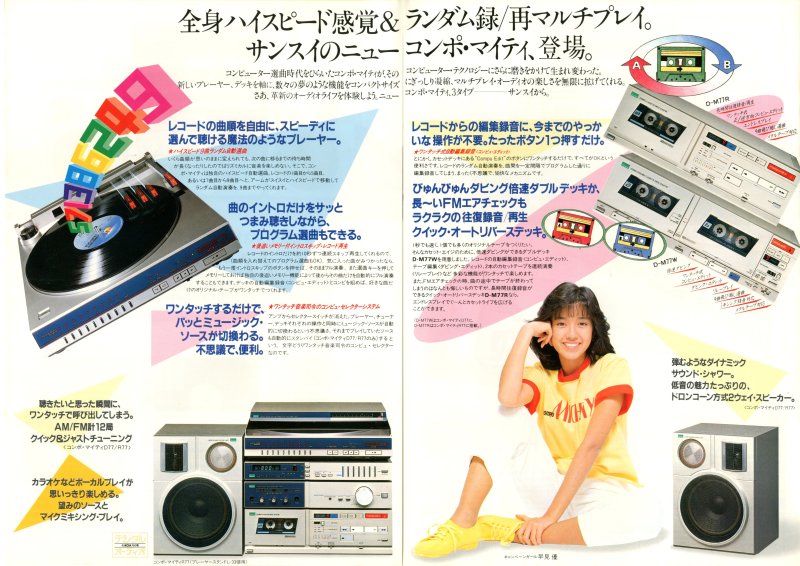
No kidding, even though stereo systems had different price ranges for low-end and high-end models, even the cheapest one cost 300,000 Japanese Yen. For Katsura, a second-year junior high school student who was not yet financially independent, there was no other way but to ask his parents for money... No, the chuunibyou student came up with a chuunibyou idea: he found an advertisement in "Weekly Shonen Jump" that read, "Manga Competition 'Tezuka Award' Grand Prize money up to 500,000 Japanese Yen!"
Stereo systems ranged in price from 300,000 to 800,000. Masakazu Katsura originally wanted to be a bit "average" and buy a "mid-range" 500,000 Yen system. He never imagined that the prize money for a manga competition would be exactly 500,000 Yen... In that instant, manga suddenly became incredibly important in the chuunibyou student's heart: drawing manga meant he could buy the stereo system his parents wouldn't buy him! Manga equals audio! I will draw for audio!
Masakazu Katsura's beautiful girl illustrations are a unique marvel in the Japanese manga world Image credit:Twitter
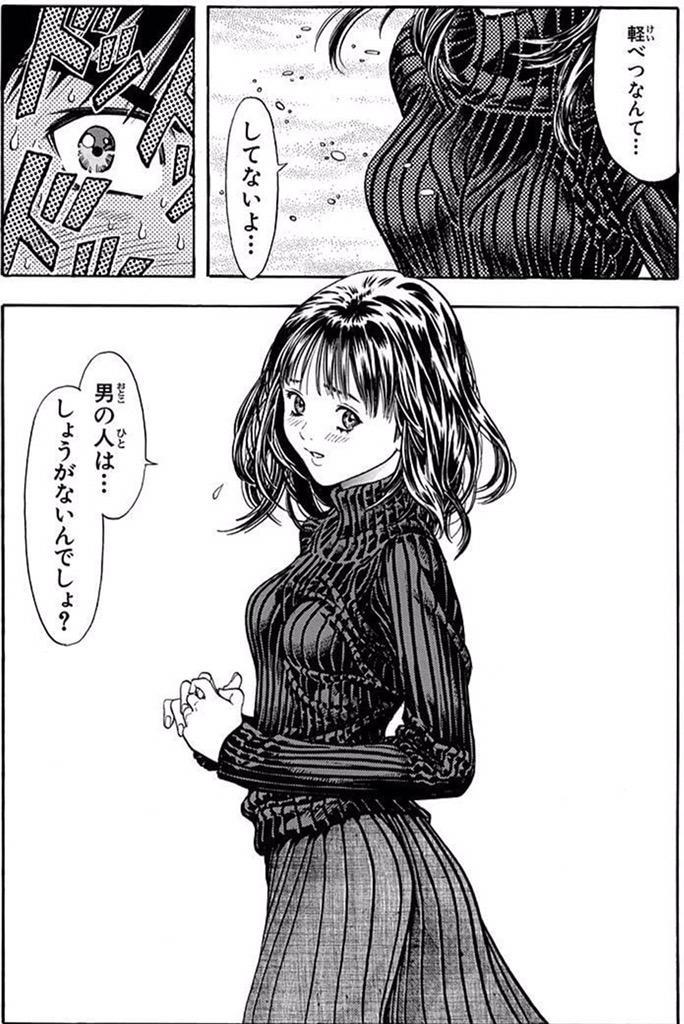
As one of the shortcuts for new manga artists to make their breakthrough in the 80s, the Tezuka Award was a dream for some young people, a stepping stone to success. But for Masakazu Katsura, it was a tool, a free ticket to acquire a stereo system. What everyone else thought didn't matter, but the god of manga might have had some opinions about this young man with "impure" intentions. Katsura continuously entered the Tezuka Award every year, but he never won the stereo system he longed for—he was never selected. By his third year of high school, for the past three or four years, he had not only aimed for the Tezuka Award but had submitted to every manga competition with prize money... but the results were always the same. Finally, in the second semester of his third year of high school, Katsura, who was drawing for the sake of the stereo system, submitted his last high school manuscript to "Weekly Shonen Jump"... and finally...
He still didn't win the Tezuka Award grand prize... However, someone in the editorial department of Shueisha, the publisher of "Weekly Shonen Jump," recognized Masakazu Katsura's extraordinary talent.
Masakazu Katsura during his "Video Girl Ai" period (1991) Image credit:mercari
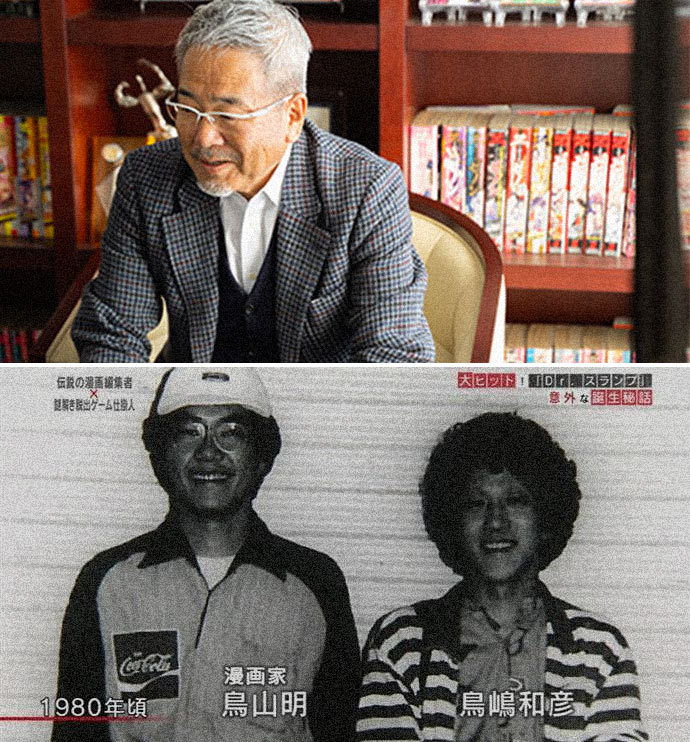
Among the most famous editors of "Weekly Shonen Jump" in the last century, besides ace editor Nobuhiko Horie, who participated in works like "Fist of the North Star" and "City Hunter," his senior Kazuhiko Torishima is another household name—many readers knew him not from the editor list on the back cover of "Weekly Shonen Jump," but from Akira Toriyama's manga. This strict editor, whose vision was as sharp as his scolding, saved the creative direction of "Dr. Slump" and "Dragon Ball"—the protagonist of "Dr. Slump" was originally Dr. Slump; and Son Goku in "Dragon Ball" was originally an optimistic boy, who later transformed into a warrior of a fighting race dedicated to becoming stronger, due to Torishima's demands.
(Top) Nobuhiko Horie (Bottom) Akira Toriyama and Kazuhiko Torishima Image credit:coamix.co.jp、Twitter
Torishima asked Katsura to come to Shueisha for a "chat." For many aspiring manga artists, this was a dream come true, a heaven-sent opportunity—to be "mentored" by a top editor would undoubtedly be invaluable for their future development. But for Masakazu Katsura, his ambitions weren't so grand. This young man, who never intended to become a manga artist, was merely working hard for an audio system—a dream he could have achieved by simply working diligently. One reason he continued to draw manga, besides his inherent artistic skill, was another factor: he fell in love with movies.
"Raiders of the Lost Ark" Image credit:Twitter
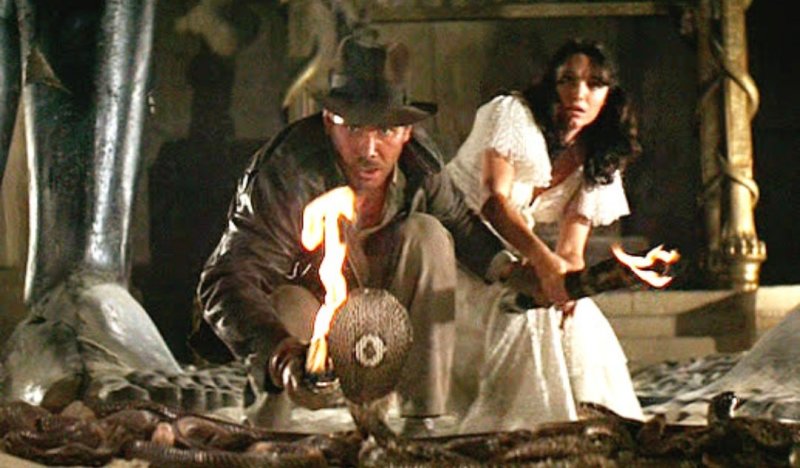
Tokusatsu works weren't the only popular cultural element that inspired Masakazu Katsura's creative talent; "Raiders of the Lost Ark" was another. Having watched many films since childhood, Katsura didn't have a particular passion for cinema. However, after graduating from high school, when he first went to the cinema with friends to watch Steven Spielberg's "Raiders of the Lost Ark," he was immediately captivated by the genius of Hollywood's entertainment director. "Raiders of the Lost Ark" was filled with elements of adventure, treasure hunting, action, and more, and Spielberg perfectly blended these elements with cinematography and musical scores. For Masakazu Katsura, it was the first time he experienced such multi-layered enjoyment of sight, sound, and narrative. As someone who had been a "half-baked" manga artist for several years, he unconsciously became curious: How did Spielberg tell such an engaging story?
"Wingman" was later adapted into an anime Image credit:Twitter

Once again, manga is not a landscape painting; it's not a beautiful moment. It's a flowing picture scroll. Masakazu Katsura, who previously had no interest in blockbuster entertainment, began to develop an interest in the narrative techniques of these Hollywood films. Watching various Hollywood movies—horror, adventure, romance, bizarre, action—was like receiving a masterclass in the cinema. The young Masakazu Katsura began to learn how to draw manga from films—years later, Yoshihiro Togashi would become one of the inheritors of this "copycat" learning method.
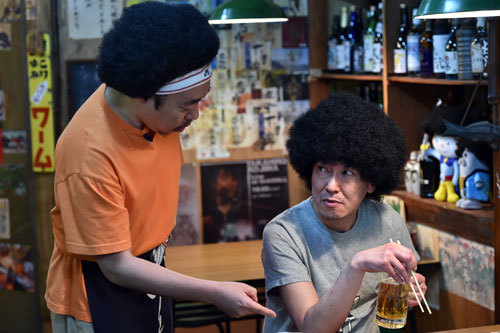
Masakazu Katsura's cameo in the TBS drama "99.9: Criminal Lawyer," playing himself Image credit:sponichi
Masakazu Katsura began creating manga for an audio system, his admiration for "Kamen Rider" made him eager to draw superhero themes, and films taught him how to tell stories through manga... Katsura's path as a manga artist seemed to be taking shape... However, Kazuhiko Torishima did not let Masakazu Katsura become another hard-boiled shonen manga artist specializing in intense combat manga. He encouraged Katsura to try an unexpected direction: romance manga. And this was the most crucial turning point where Kazuhiko Torishima truly changed Katsura's professional life.
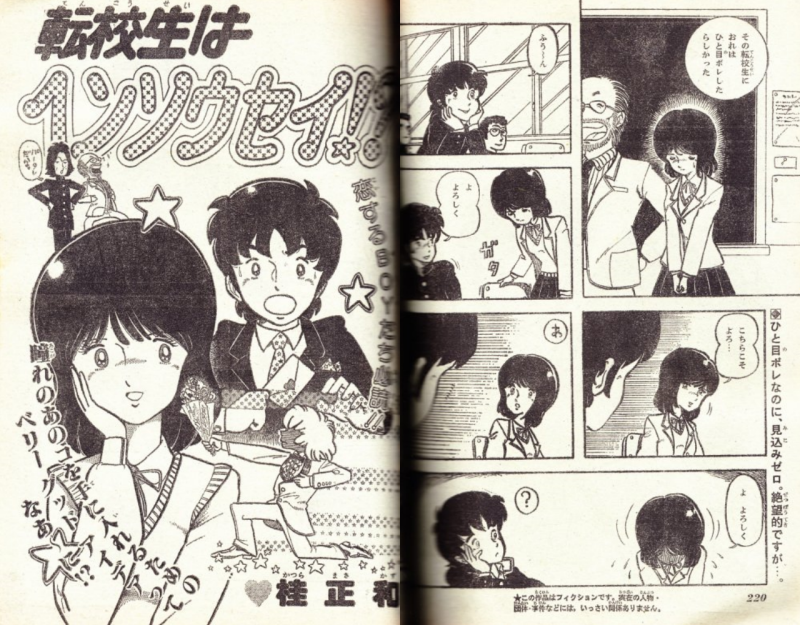
The first attempt at romance themes: "Tenkōsei wa Hensōsei!?" received an honorable mention for the Tezuka Award Image credit:Twitter
Even though Masakazu Katsura drew superhero manga in "Weekly Shonen Jump," this genre was still a rarity in the Japanese manga industry during the 1980s. Even in the American comic book scene at the time, a new wave of thematic and depth revolution was sweeping through, driven by Frank Miller's dark style and the "British Invasion" trend of British comic writers like Alan Moore and Neil Gaiman. However, this superhero revolution had not yet significantly impacted Japan. For Japanese manga artists, who are most wary of overlapping themes, choosing "Japanese-made superhero" themes should have been a wise move towards a blue ocean strategy. However, the manga "Wingman," which Kazuhiko Torishima had Masakazu Katsura serialize for the first time in "Weekly Shonen Jump," was not merely a simple superhero manga.
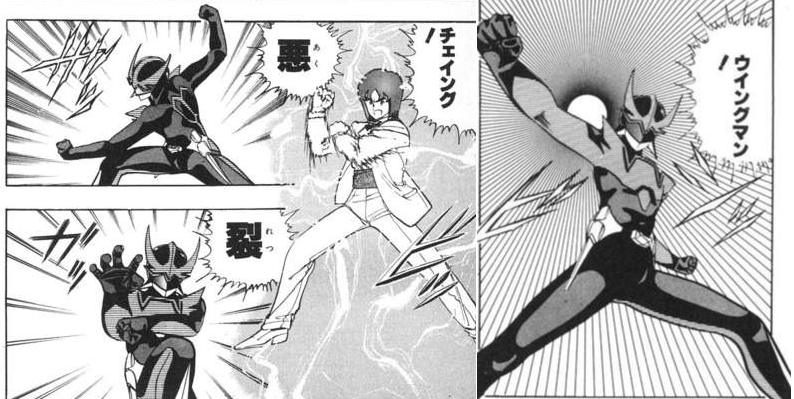
"Wingman's" transformation featured actions reminiscent of "Kamen Rider" and effect lines similar to "Ultraman" Image credit:Twitter
Within the first 20 pages, before Hirono found the "Dream Come True Notebook," Ogawa Miku made her appearance: She was recognized by her classmates as a pure beauty, with an introverted personality, seemingly the complete opposite of the bold and unrestrained Hirono. However, by page 20 of "Wingman," all readers should have realized: Miku liked the outrageous Hirono, and Hirono had also fallen for this shy, beautiful classmate.
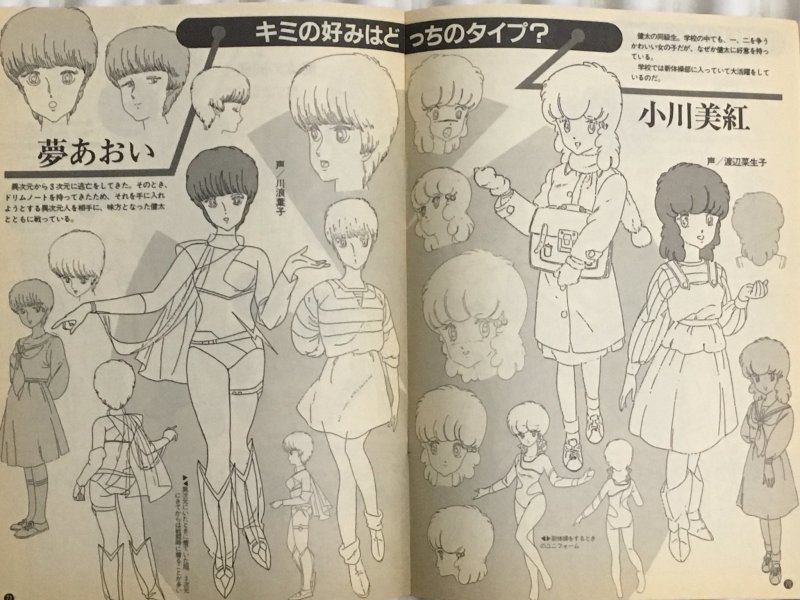
Ogawa Miku and Aoi Image credit:Twitter
Romance themes were the ultimate catalyst for Masakazu Katsura to truly become a manga artist: He didn't read shojo manga as a child, nor did he have a particular interest in romance themes. Unlike audio equipment, tokusatsu works, and "Raiders of the Lost Ark," this "pink" genre was not something Katsura had ever been fascinated by. However, following editor Torishima's suggestion, Katsura began to learn from films: He watched a large number of romantic movies and sought out highly-rated romance films from friends or movie magazines. He shifted his creative direction from a "fan's perspective" to a "creator's perspective": Masakazu Katsura originally wanted to draw a second "Kamen Rider" or "Raiders of the Lost Ark," but he ultimately chose to tackle the unfamiliar romance genre, creating "Wingman," which combined tokusatsu heroes with a love triangle.
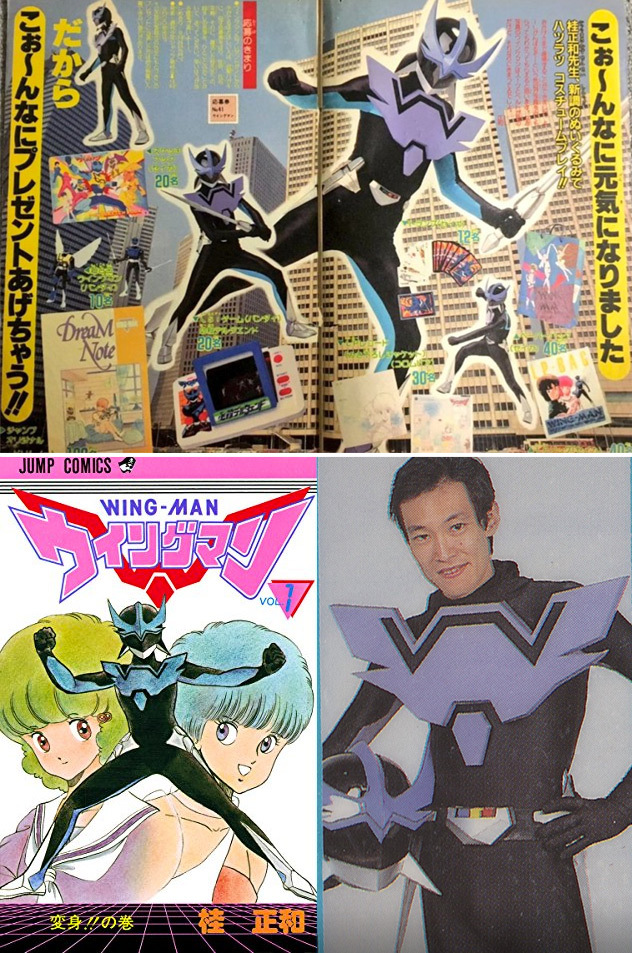
Masakazu Katsura even made his own "Wingman" costume and cosplayed himself Image credit:Twitter
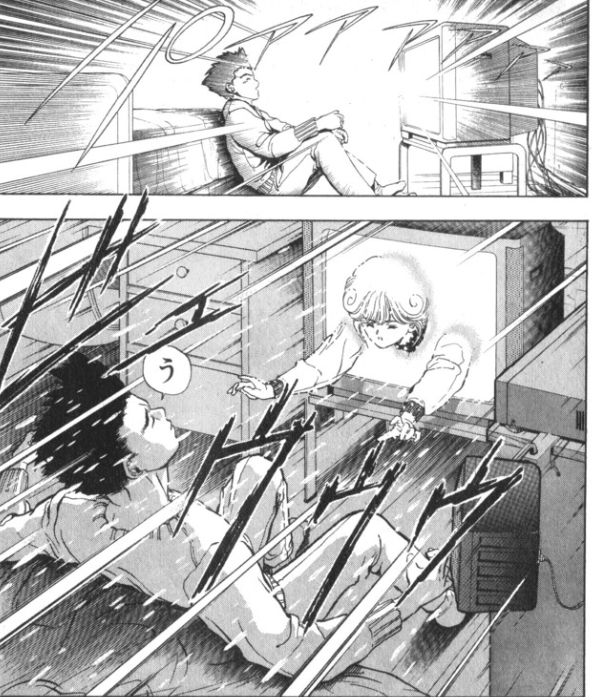
"Video Girl Ai" was Masakazu Katsura's first "creation" in a substantive sense, and this was also Torishima's suggestion. This led Katsura to extensively draw upon the romantic segments between young boys and girls from his beloved Swedish film "My Life as a Dog," creating "Video Girl Ai," which exuded a subtle melancholy of the northern lands. If one only creates based on content they personally enjoy, these creations ultimately become mere "replicas" or "adaptations" of the artist's internal masterpieces. Creation must maintain a certain distance from personal preferences to hone your storytelling ability and simultaneously unearth the essence of what truly interests you in your favorite subjects—
The first chapter of "Video Girl Ai" was published in Weekly Shonen Jump Issue 51, released on December 4, 1989 Image credit:ヤフオク!
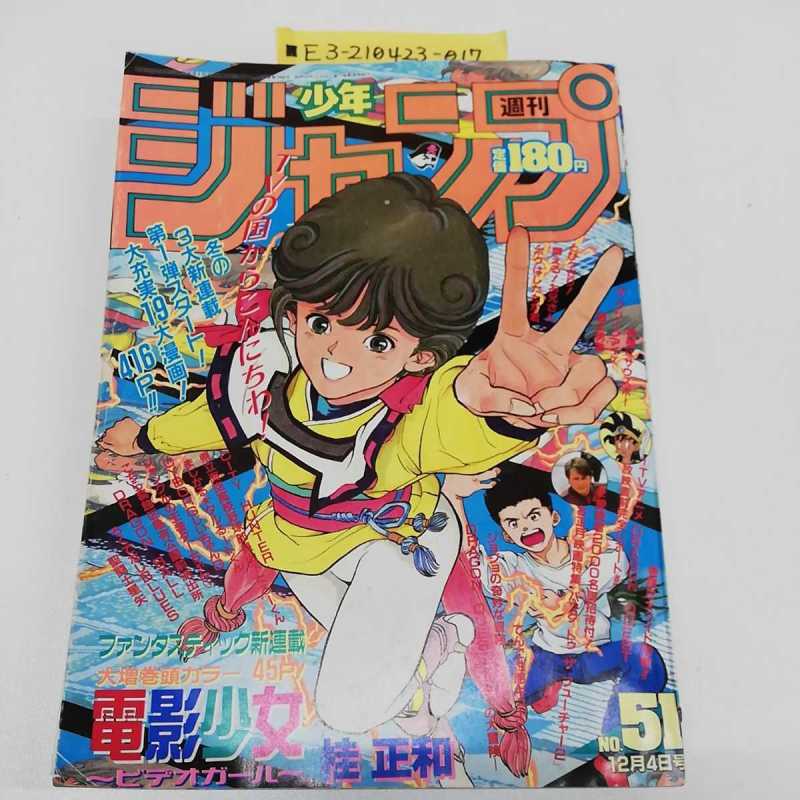
Image credit:chansoku.com
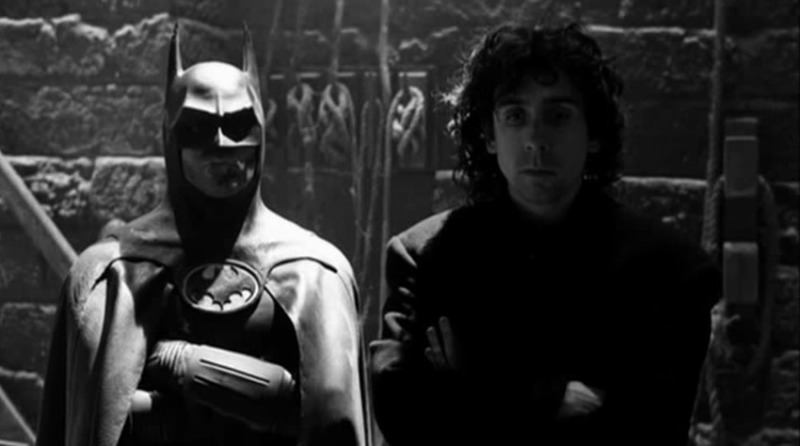
"Batman" director Tim Burton is a perfect example. He had no interest in the "Batman" comics, but he was passionate about melancholic monsters with dual personalities, which led him to direct the dark and magnificent "Batman" and "Batman Returns." The villains in these films are all captivating, a testament to Burton's partiality towards them—he never considered them despicable. And this director, who was dismissive of Batman, nevertheless created what were then the best superhero films in history.
Tim Burton (right) directing "Batman" Image credit:Critical Hit
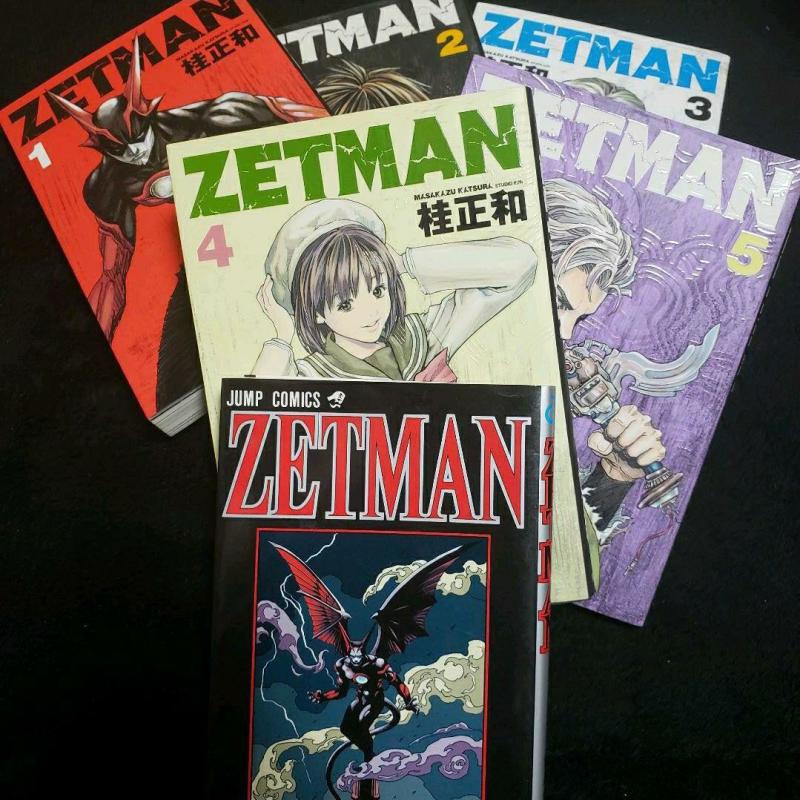
Masakazu Katsura Short Story Collection ZETMAN Image credit:mercari
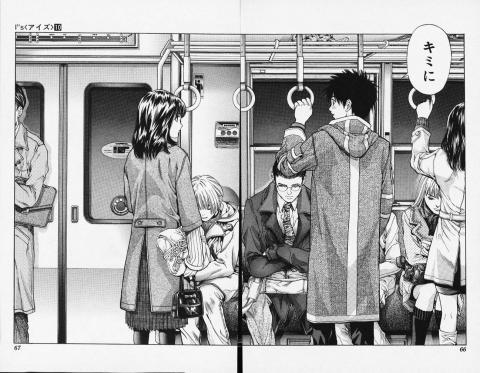
In "Video Girl Ai," Masakazu Katsura confirmed his "authorial voice," and from then on, he became a distinctly different master of romance manga. His artwork and bold themes improved year by year, but simultaneously, the intricate romantic entanglements he depicted became even more nuanced. This subtlety can be seen in readers' reactions: Many young readers experienced the bittersweet atmosphere of "simulated romance" in "Video Girl Ai" or "I"s."
"I"s" Image credit:Real Sound
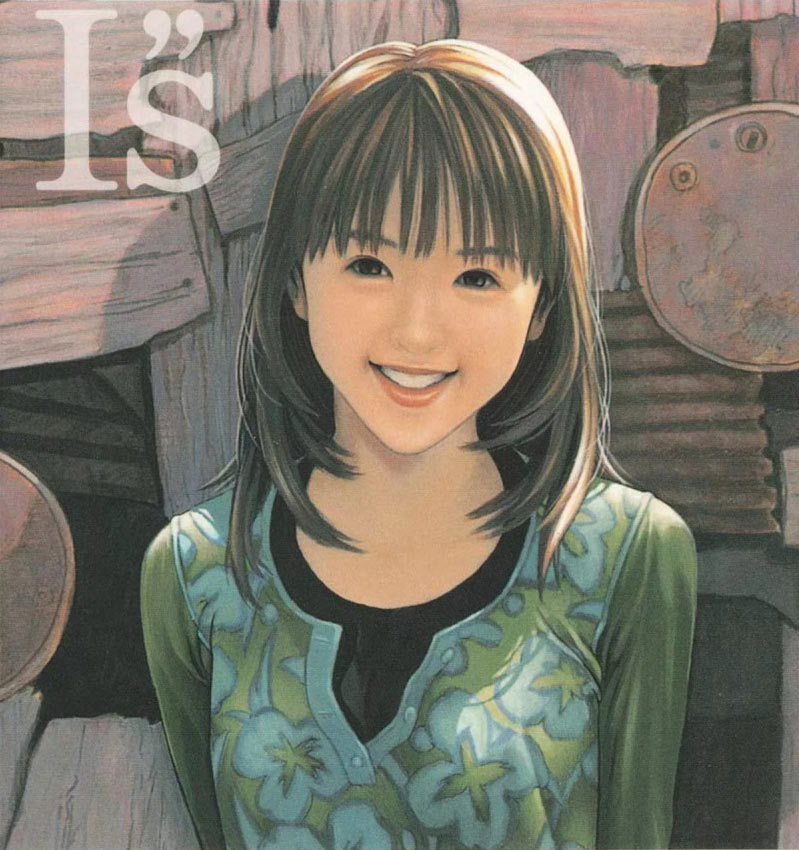
Image credit:漫画大臣blog
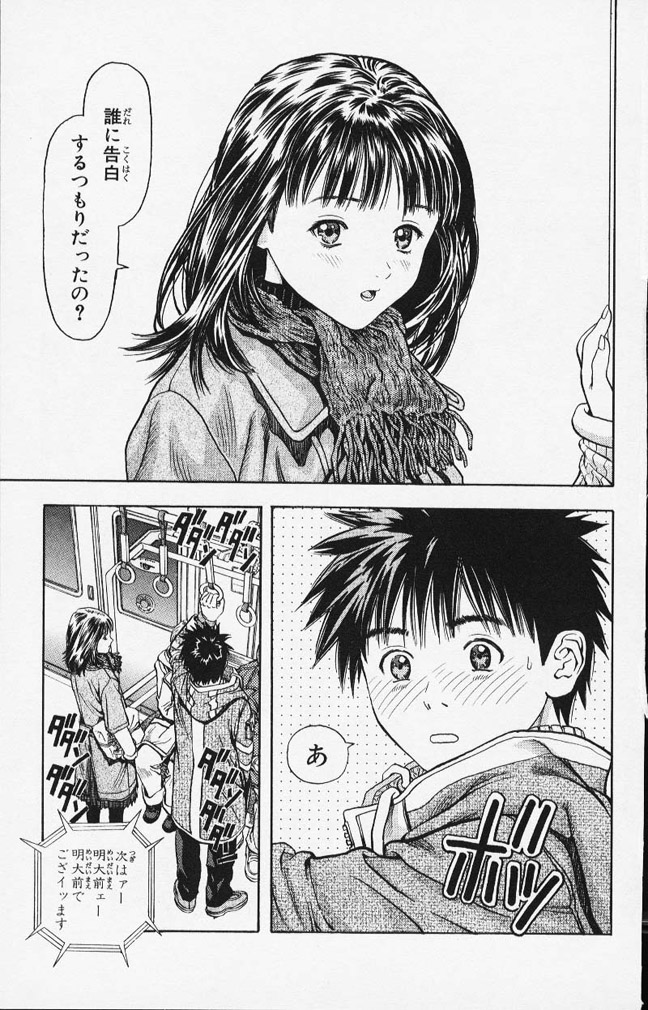
Image credit:漫画大臣blog
It was an era before the term "my wife" (referring to a fictional character) became popular, but there must have been many young boys who secretly considered Ai or Iori Yoshizuki, dubbed the "last pure heroine of the 20th century," as their girlfriends. The evidence is clear: after Masakazu Katsura finished serializing "Video Girl Ai," he continued with works like "SHADOW LADY" or "D・N・A2," which returned to superhero or sci-fi themes, but neither of these works received outstanding responses... However, when Masakazu Katsura began serializing the romance manga "I"s," the editors at "Weekly Shonen Jump" immediately voiced their sentiment, "As expected, Teacher Katsura is still best suited for romance manga." And readers thought the same; with sales exceeding ten million copies, "I"s" became the work that brought Masakazu Katsura back to glory.
Sci-fi, superheroes, tokusatsu, and romance – Masakazu Katsura truly became Japan's most successful manga artist in cross-genre creation, and this is his unique creative path.