

If you're tapped into Japanese pop culture, chances are you've heard of "Oshi-katsu." This term describes the dedicated activities of a fan who wholeheartedly supports a favorite person or work, whether it's collecting merchandise, attending events, or just generally hyping them up. It applies to everyone from voice actors and idols to YouTubers, VTubers, and even anime/game characters – a super common phenomenon across Japan today.
But lately, things have taken a wild turn on Japanese social media. One idol fan recently posted, "Get ready for a tearful lecture session," alongside a photo of an event ticket. Their plan? To personally scold their "oshi" (the person they support) face-to-face. Naturally, this post blew up online, sparking a massive debate.
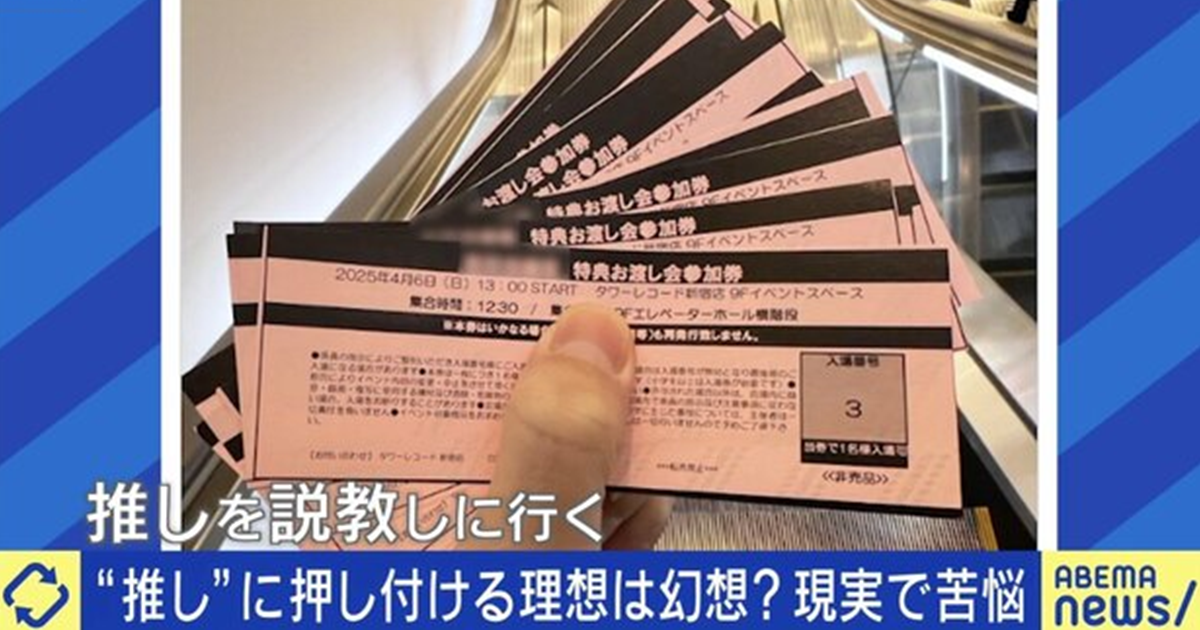
The fan explained their beef: their oshi was endorsing some "sketchy" products, and they felt compelled to warn them to be more selective with their work. However, this confession immediately drew heavy fire from other fans. Everyone wants their oshi to be perfect, but where exactly do you draw the line on what's acceptable to demand?
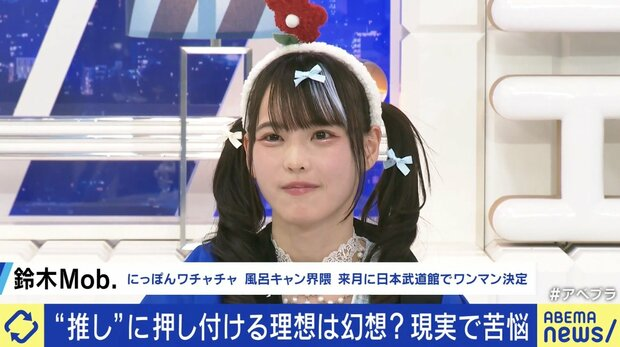
Suzuki Mob., a member of the idol group "Nippon Wachacha," openly admitted that in his five years as an idol, he's been "overwhelmed by the sheer number of standards fans try to impose." Yet, idols can't survive without their fanbase, leaving them in a constant tug-of-war between pleasing their supporters and staying true to themselves.
Mob. shared how fans frequently demand he maintain an "ideal image." He's heard it all: "If you change your hairstyle, I'm out," "Your viral post today made me like you less," and "Please go back to your old self and shine again, otherwise I really can't keep supporting you." And yes, sometimes it gets even more direct, with fans at meet-and-greets starting conversations with, "Excuse me, there's something I want to say..." before launching into a full-blown critique. Talk about awkward!
On the flip side, some hardcore fans argue their perspective. One fan recounted getting blocked by a comedian they liked after offering feedback. They explained their mindset: "If you buy a defective product, of course you're going to complain." This fan believes idols and artists should listen to all fan opinions and respond. "You don't have to do exactly what we say, but at least explain your thought process," they insisted.
Suzuki Mob.'s take? "Fans these days are starting to act more and more like ex-boyfriends, always saying things like, 'You were better before.'" But he also stressed, "People grow and change. Instead of staying stuck in the past, moving forward makes you more charming." Perhaps for some, "nostalgia for the old oshi" has simply become a hobby in itself.

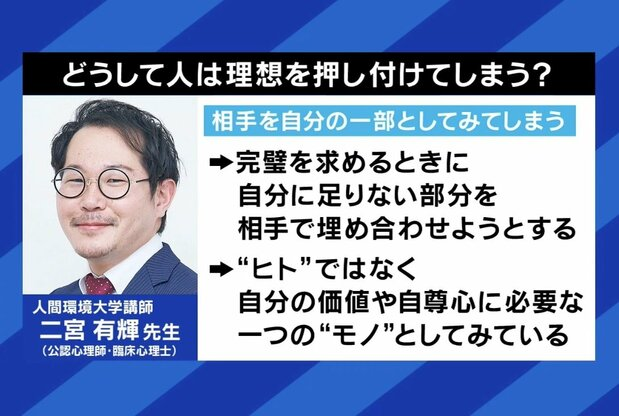
Professor Yuki Ninomiya of the University of Human Environments offers a psychological angle, suggesting that fans impose ideals because they "see idols as an extension of themselves." He explains, "When someone starts striving for perfection, they unconsciously try to use their oshi to fill their own inner flaws." At that point, "the idol is no longer a 'person,' but rather an 'object' used to maintain one's self-esteem."
Mob. also emphasized, "Just catering to your existing fanbase won't keep an idol career going long-term." When asked how fans should express their opinions, he offered a simple piece of advice: "If you say something wrong, just a quick 'Sorry about that, but I'll still keep supporting you!' goes a long way and is really heartwarming for an idol!"
Ultimately, this situation highlights how many fans are now deeply intertwining their oshi-katsu with their own identity, leading to this intense scrutiny and strictness. There might not be a single "right" way to interact, but if it devolves into mutual criticism, it's likely to leave everyone feeling hurt.
via: livedoor news